News

How Does a Wire Winding Machine Improve Efficiency and Accuracy in Coil Production?

2026-01-28 0 Leave me a message

Article Abstract

A Wire Winding Machine is a crucial tool in modern industrial coil production, providing precision, speed, and reliability for applications ranging from transformers to motors and inductors. This article explores the operational principles, types, technical specifications, and practical applications of wire winding machines. Additionally, it addresses common challenges faced by manufacturers and provides guidance on selecting the right machine to optimize productivity, accuracy, and overall efficiency.

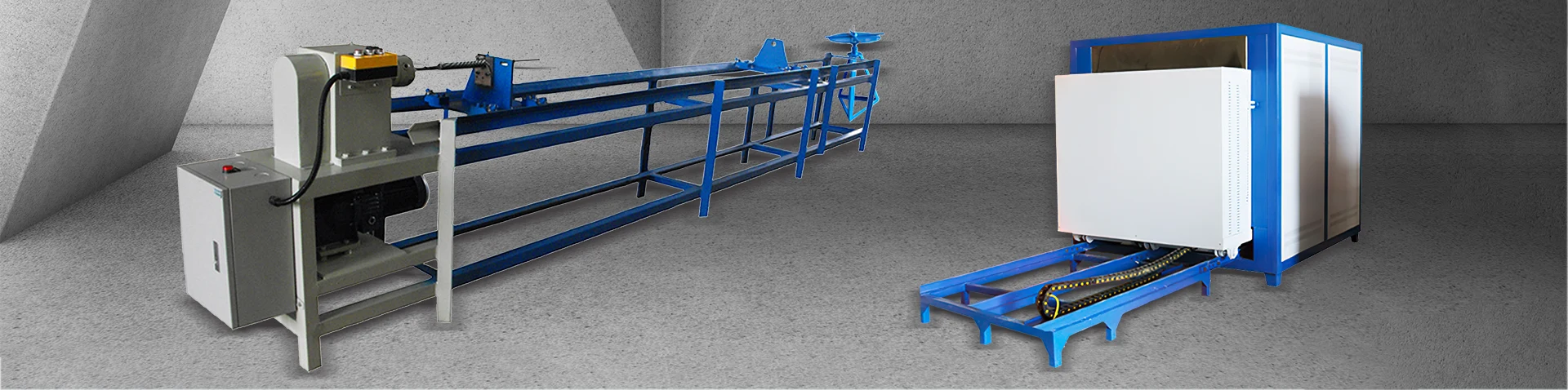
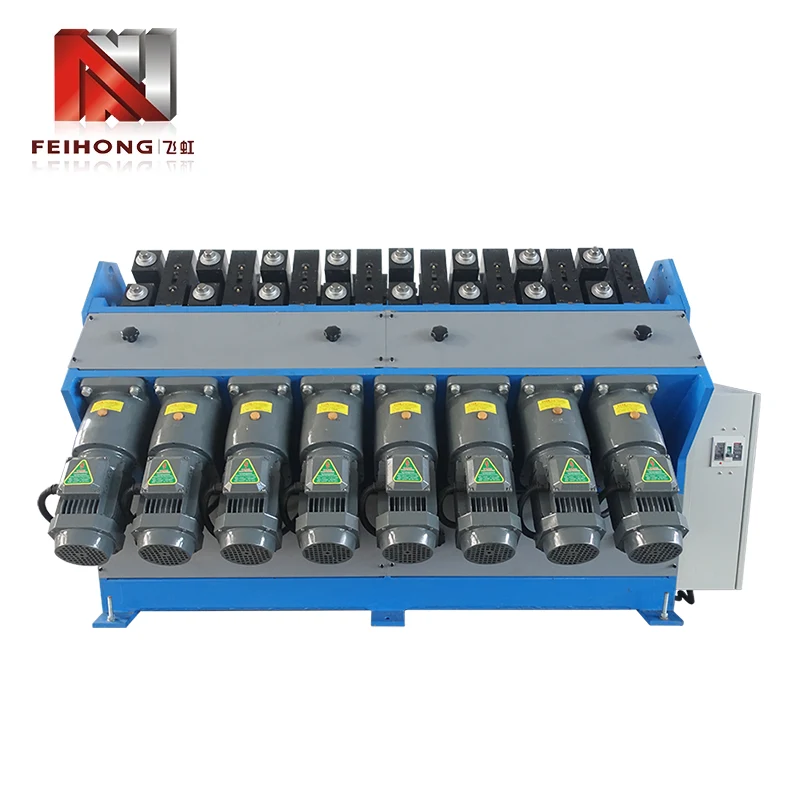
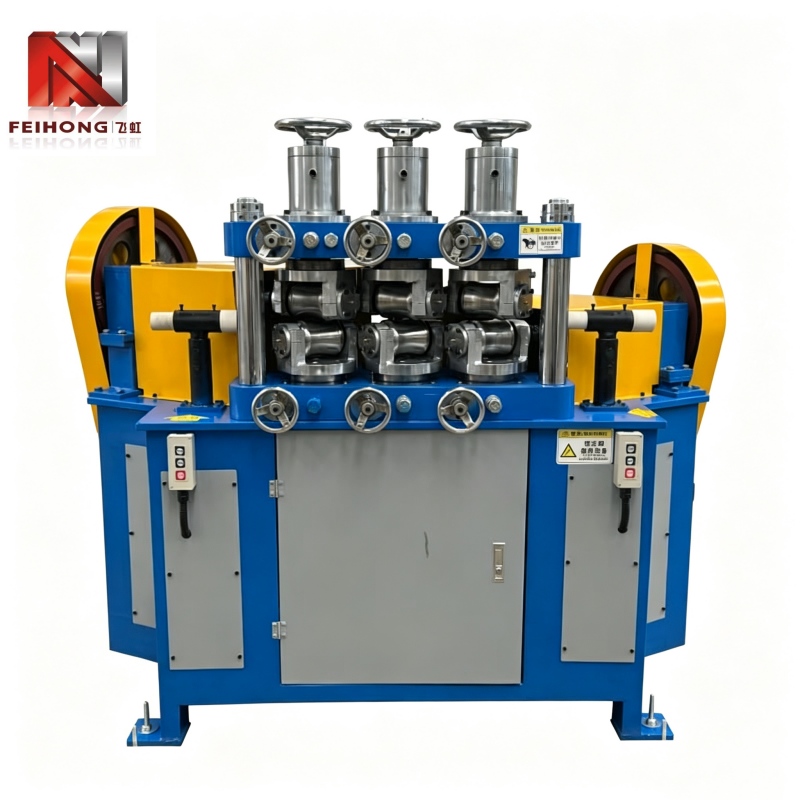
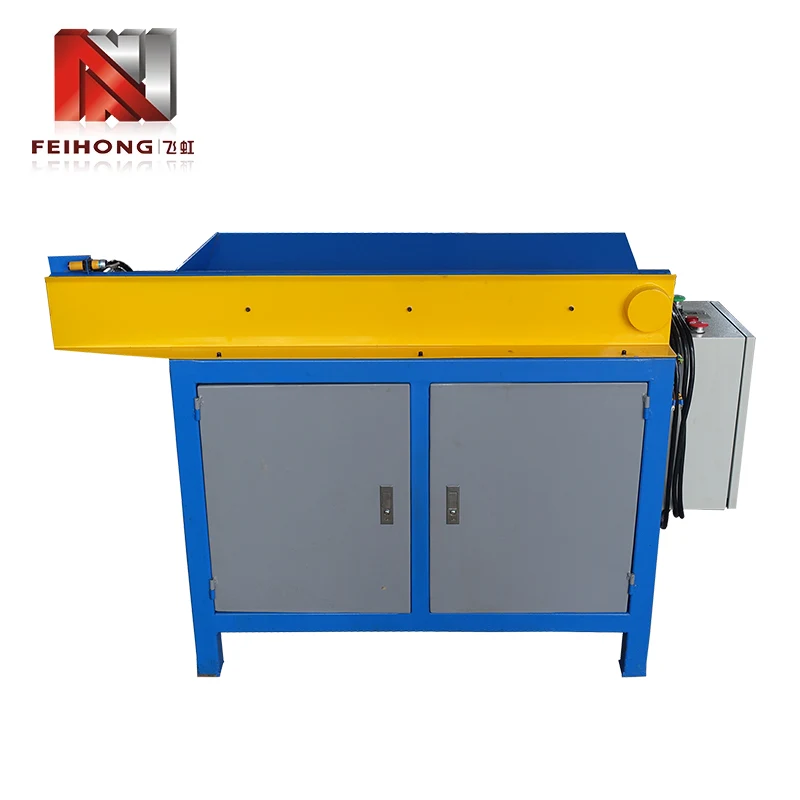
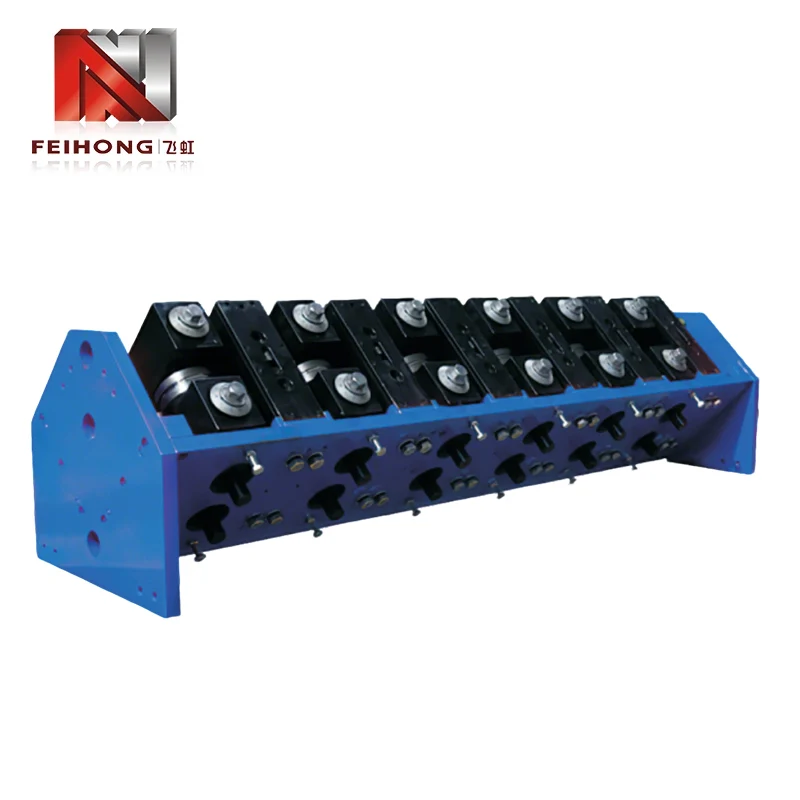
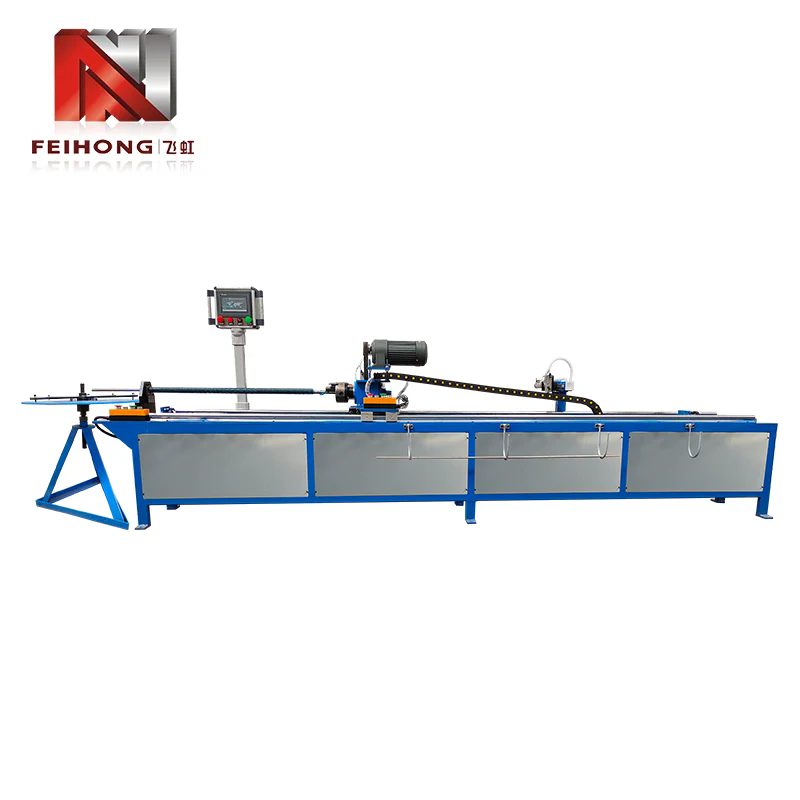
Fully Automatic Resistance Wire Winder

Table of Contents


Article Outline

  • Introduction to wire winding machine fundamentals
  • Classification of machines based on automation and coil type
  • Key technical specifications and parameter considerations
  • Industrial applications and productivity benefits
  • Frequently asked questions with detailed answers
  • Brand reference and contact information

Wire Winding Machine Overview

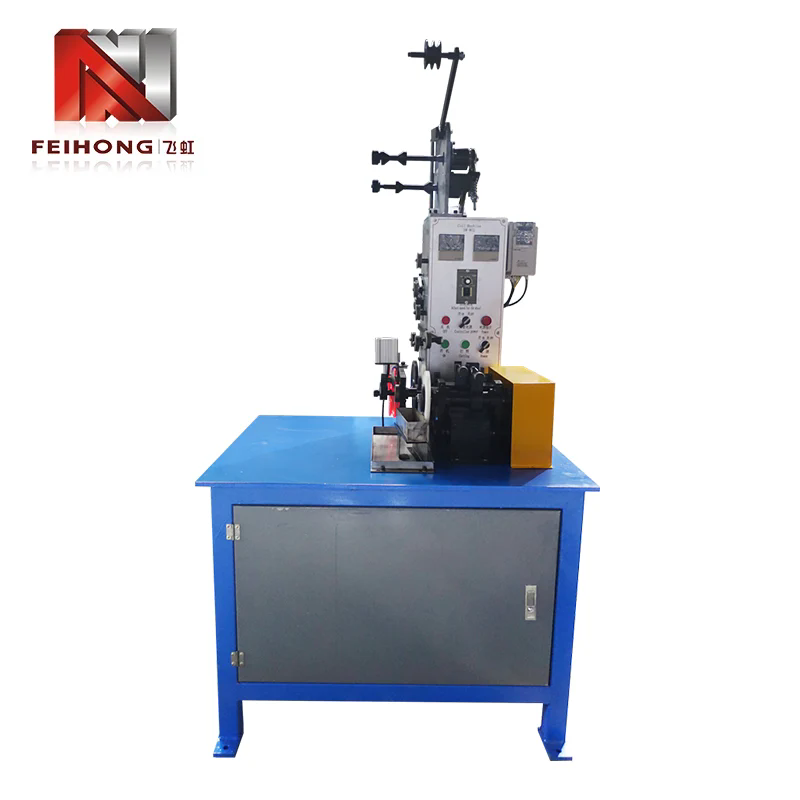
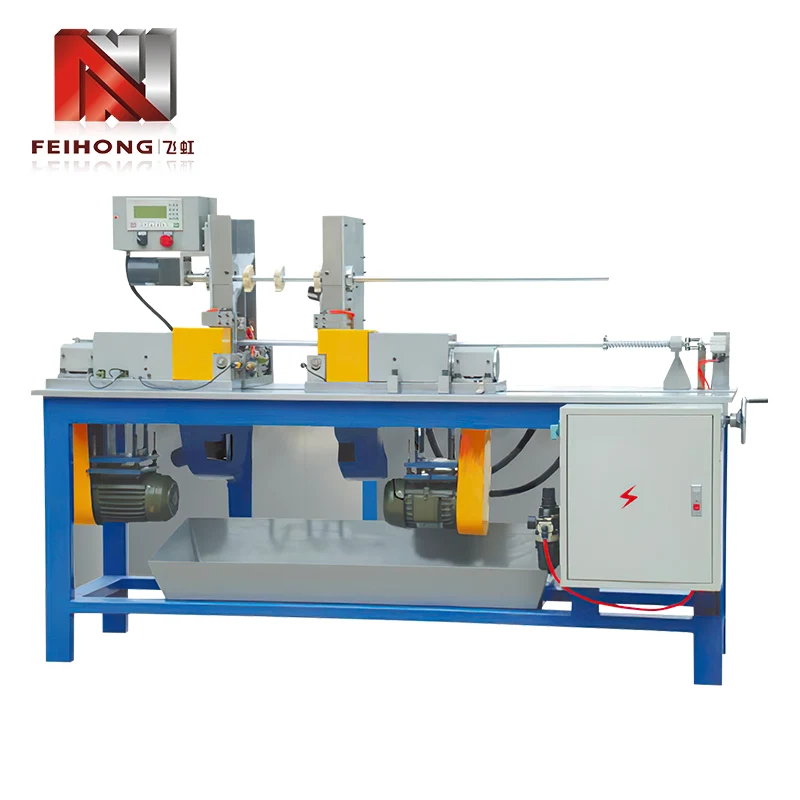
Wire winding machines are designed to precisely coil conductive wire onto a core or spool. They are extensively used in manufacturing electrical components such as transformers, motors, inductors, and electromagnets. By automating the winding process, these machines minimize human error, maintain consistent tension, and ensure uniform coil geometry, which is essential for the performance and reliability of the finished component.

Modern machines often feature programmable controls, adjustable speed settings, and tension monitoring systems. These features allow operators to optimize the winding process for different wire gauges, coil sizes, and production rates.


Types and Classification

Wire winding machines can be classified based on their operation mode, winding style, and level of automation.

  • Manual Wire Winding Machines: Require operator control for coil rotation and tension adjustment; suitable for small-scale or custom coils.
  • Semi-Automatic Wire Winding Machines: Combine manual loading with automated winding cycles for higher efficiency and moderate production volumes.
  • Fully Automatic Wire Winding Machines: Feature programmable controls, automatic feeding, tension monitoring, and coil stacking for large-scale industrial production.
  • Specialized Coil Winding Machines: Designed for specific coil types such as toroidal, pancake, or multilayer coils.

Technical Specifications

Technical specifications define the operational capacity and precision of wire winding machines. Below is a summary of typical parameters:

Parameter Typical Range / Description
Wire Diameter 0.05mm – 5.0mm
Maximum Coil Size Depends on machine model; up to 500mm diameter
Winding Speed 50 – 2000 RPM adjustable
Number of Layers Single to multi-layer options
Control System PLC or microcontroller-based with programmable sequences
Tension Control Automatic or manual; ensures uniform coil winding
Power Supply AC 220V/380V, 50Hz/60Hz
Machine Footprint Compact to medium-size, depending on automation level

Applications and Use Cases

Wire winding machines are integral to various industrial applications. Their adaptability and precision support high-quality production in multiple sectors:

  • Transformer manufacturing for power distribution
  • Motor and generator production for automotive and industrial machinery
  • Inductor and choke coil fabrication in electronics
  • Custom electromagnet and solenoid winding for research and automation
  • Mass production of compact coils for energy-efficient devices

The ability to maintain precise tension, uniform layering, and consistent coil geometry directly contributes to higher electrical performance, lower defect rates, and reduced material wastage.


Frequently Asked Questions

Q: What factors should be considered when choosing a wire winding machine?

A: Selection should consider wire diameter, coil size, production volume, automation level, and required precision. Machine specifications must match operational requirements to ensure efficiency and reliability.

Q: How does a wire winding machine ensure consistent tension?

A: Most modern machines are equipped with tension control systems, either electronic or mechanical, which adjust wire feed resistance to maintain uniform tension throughout the winding process.

Q: Can the machine handle different wire materials?

A: Yes. Machines are designed to accommodate copper, aluminum, and specialty wires. Adjustments in tension, feed rate, and spindle rotation ensure compatibility without damaging the wire.

Q: What maintenance is required for optimal performance?

A: Regular lubrication of moving parts, periodic calibration of tension systems, inspection of spindles and guides, and cleaning dust or debris are essential to maintain consistent winding quality.


Conclusion and Contact Information

Wire winding machines are fundamental tools for industrial coil production, offering precision, efficiency, and scalability. Selecting the right machine based on production needs, technical specifications, and wire types ensures consistent quality and improved productivity. Feihong provides a comprehensive range of wire winding machines designed to meet diverse industrial requirements.

For inquiries about Feihong wire winding machines, technical support, or customized solutions, please contact us to discuss your project needs and receive professional guidance.

Contact Us to learn more about our wire winding machine solutions and request a personalized consultation.

Related News
Leave me a message
X
We use cookies to offer you a better browsing experience, analyze site traffic and personalize content. By using this site, you agree to our use of cookies. Privacy Policy
Reject Accept