News

How Does a Pipe Filling Machine Optimize Industrial Production?

2025-12-29 0 Leave me a message

Abstract: Pipe Filling Machines have become indispensable in industrial packaging, streamlining the process of filling viscous or semi-liquid products into tubes with high accuracy. This article provides a comprehensive guide to understanding how these machines operate, their technical specifications, common questions, and industry applications. The focus is on technical insight, practical usage, and operational efficiency, aimed at professionals seeking a complete understanding of pipe filling technology.

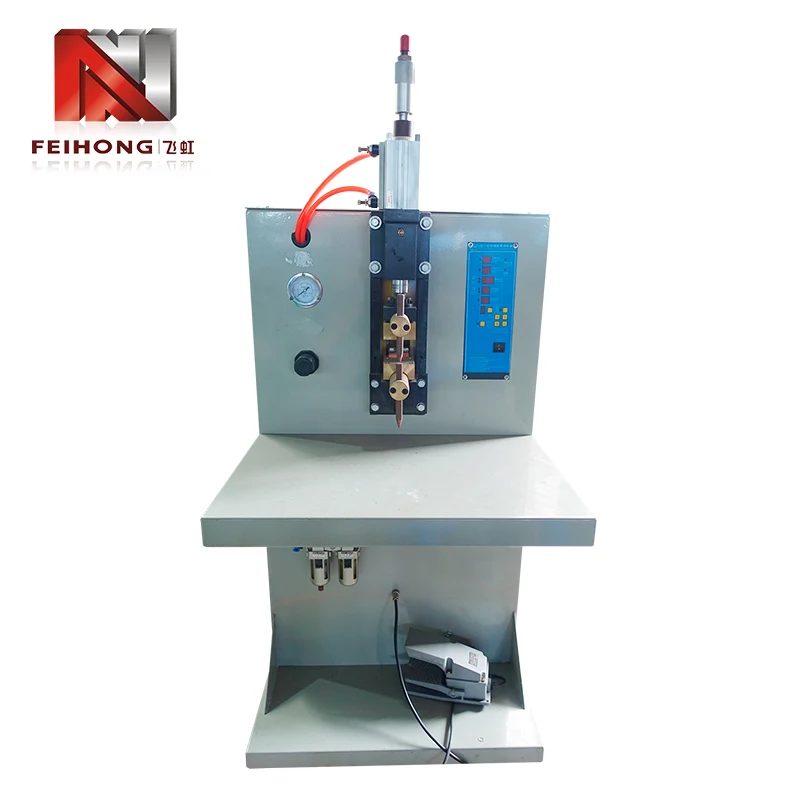
Single Head Tube Filling Machine


1. Introduction to Pipe Filling Machines

Pipe Filling Machines are specialized industrial equipment designed to fill paste, cream, or semi-liquid products into tubes with high precision. Commonly used in food, pharmaceutical, cosmetic, and chemical industries, these machines enhance productivity, reduce waste, and ensure consistent packaging quality. This article delves into the operational mechanism, different types, technical specifications, and best practices for using Pipe Filling Machines, providing a professional reference for industrial users.


2. Types of Pipe Filling Machines

There are several types of Pipe Filling Machines based on the filling mechanism, automation level, and intended product. Choosing the right type depends on production scale, tube size, and product viscosity.

2.1 Manual Pipe Filling Machines

Manual machines are ideal for small-scale production. They require human operation to fill each tube, offering flexibility but lower speed.

2.2 Semi-Automatic Pipe Filling Machines

Semi-automatic models combine manual loading with automatic filling, increasing efficiency while retaining some operator control.

2.3 Fully Automatic Pipe Filling Machines

Fully automatic machines can handle loading, filling, sealing, and labeling with minimal human intervention, suitable for large-scale industrial operations.


3. Technical Parameters and Specifications

The following table provides a detailed overview of common specifications for industrial Pipe Filling Machines:

Parameter Typical Range
Filling Capacity 10-200 ml per tube
Production Speed 20-80 tubes per minute (manual to automatic)
Tube Diameter 10-50 mm
Tube Length 50-250 mm
Power Supply 220V/380V, 50/60Hz
Material Compatibility Food paste, cosmetics, pharmaceuticals, adhesives
Automation Level Manual / Semi-Automatic / Fully Automatic

4. How to Operate a Pipe Filling Machine Efficiently

Efficient operation involves proper setup, calibration, and regular monitoring:

  • Ensure the machine is on a stable, level surface and properly grounded.
  • Check that the product viscosity matches machine requirements for smooth filling.
  • Calibrate the filling volume for each tube size before production.
  • Monitor the tube sealing process to avoid leaks or inconsistent filling.
  • Implement quality checks periodically to maintain consistent production standards.

5. Maintenance and Troubleshooting Tips

Routine maintenance ensures longevity and reduces downtime:

  • Clean the filling nozzles after each production batch to prevent clogging.
  • Lubricate mechanical parts according to the manufacturer’s schedule.
  • Inspect electrical connections regularly to prevent operational failures.
  • Keep spare parts like sealing belts and nozzles ready for quick replacement.

6. Frequently Asked Questions (FAQ)

Q1: How do I choose the right Pipe Filling Machine for my product?
A1: Selecting the appropriate machine depends on product viscosity, production volume, tube size, and automation needs. Manual machines suit small-scale or high-flexibility requirements, while fully automatic machines handle large-scale production efficiently.
Q2: How can I maintain accuracy in tube filling?
A2: Accuracy is maintained through careful calibration of filling volume, consistent product viscosity, and regular monitoring of the filling nozzle. Automation features in modern machines often include sensors and feedback mechanisms to ensure precise filling.
Q3: What are the common causes of leakage in filled tubes?
A3: Leakage can result from improper sealing temperature, misaligned sealing jaws, overfilling, or using tubes not compatible with the machine. Regular maintenance and proper operator training minimize these issues.

7. Conclusion and Contact

Pipe Filling Machines are critical for streamlining production in food, cosmetic, pharmaceutical, and chemical industries. Proper selection, calibration, and maintenance ensure operational efficiency and consistent product quality. For businesses looking to enhance their packaging operations, Feihong offers a range of high-quality Pipe Filling Machines tailored to various industrial needs. To learn more about available models, technical assistance, or to request a quote, contact us today.

Related News
Leave me a message
X
We use cookies to offer you a better browsing experience, analyze site traffic and personalize content. By using this site, you agree to our use of cookies. Privacy Policy
Reject Accept