News

Why Choose a Pipe Straightening Machine?

2026-01-19 0 Leave me a message

Summary: In modern manufacturing and fabrication, maintaining straight and consistent pipes is a critical requirement. This article explores the function, advantages, applications, selection criteria, and common challenges solved by a Pipe Straightening Machine. Whether you are dealing with stainless steel tubes, structural pipes, or precision components, understanding why a Pipe Straightening Machine matters can significantly improve quality, efficiency, and operational costs. Feihong’s advanced solutions are referenced to illustrate real-world industrial relevance.

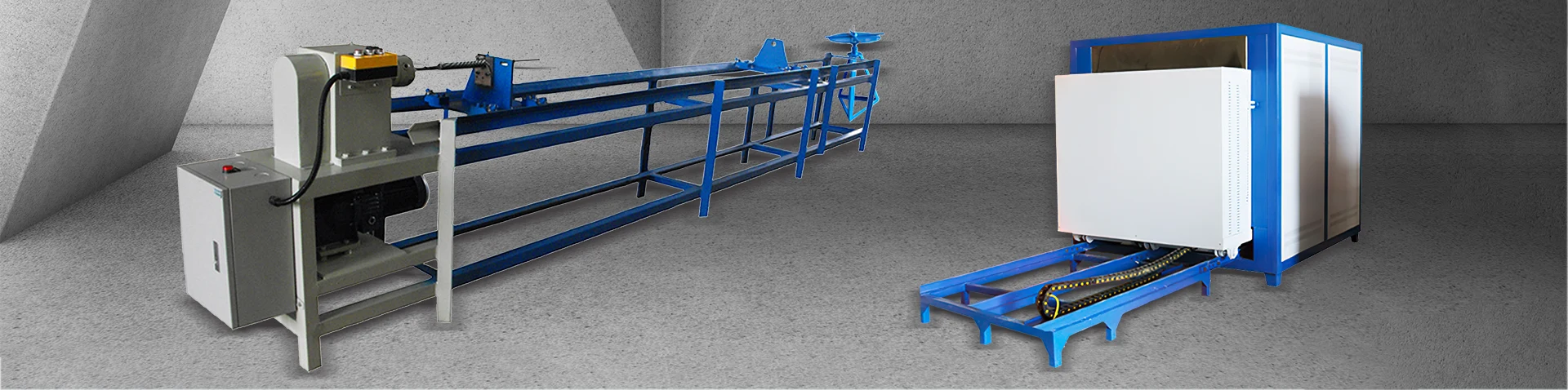
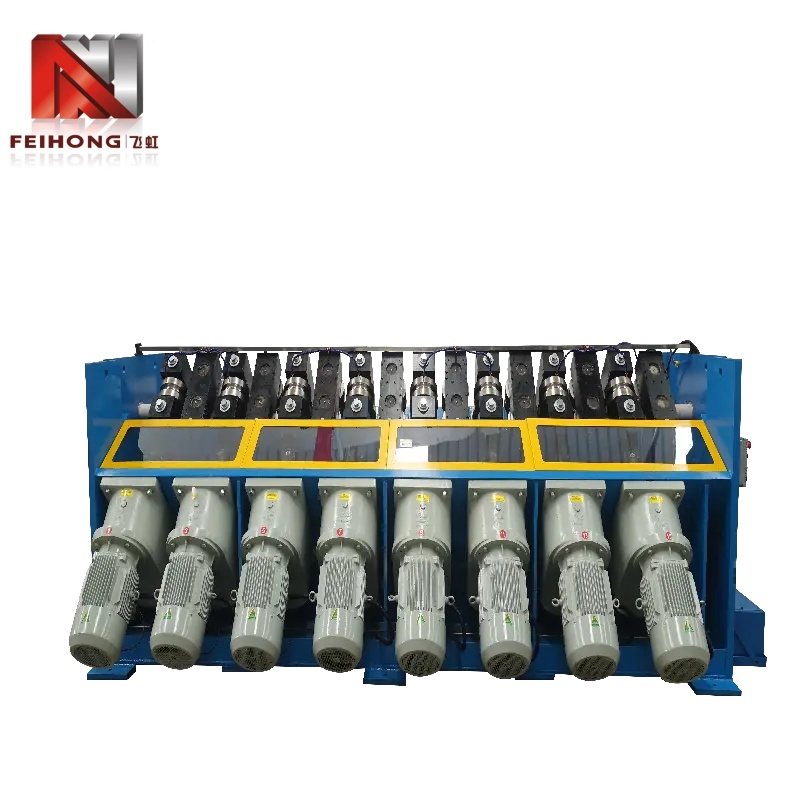
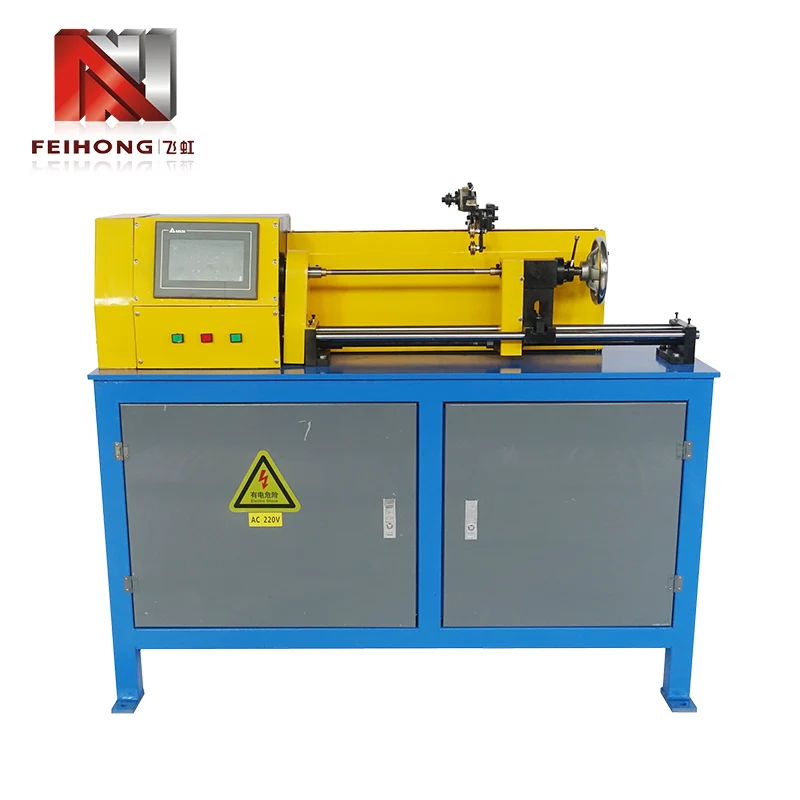
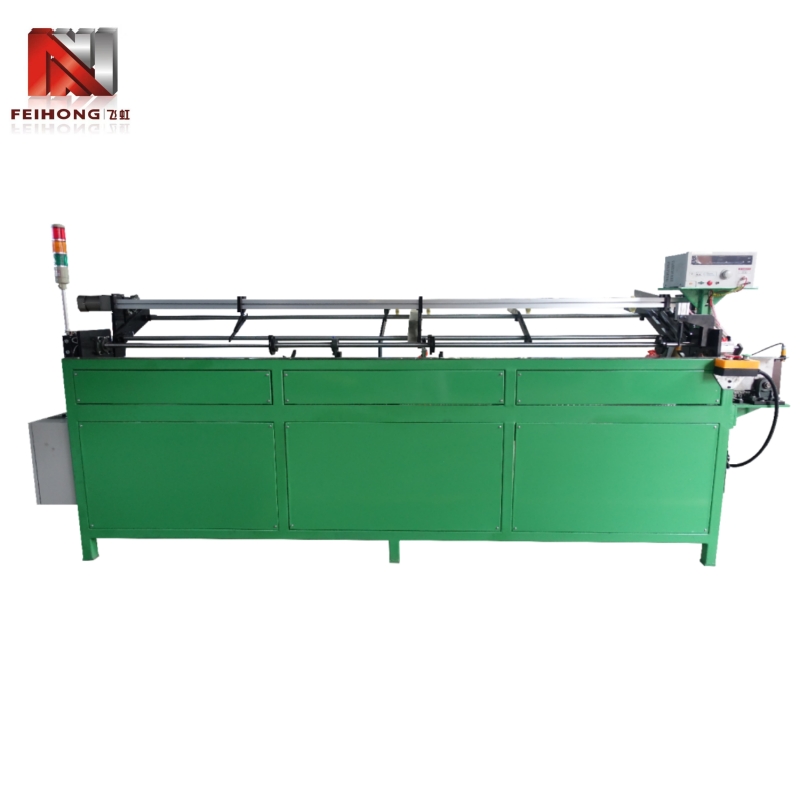
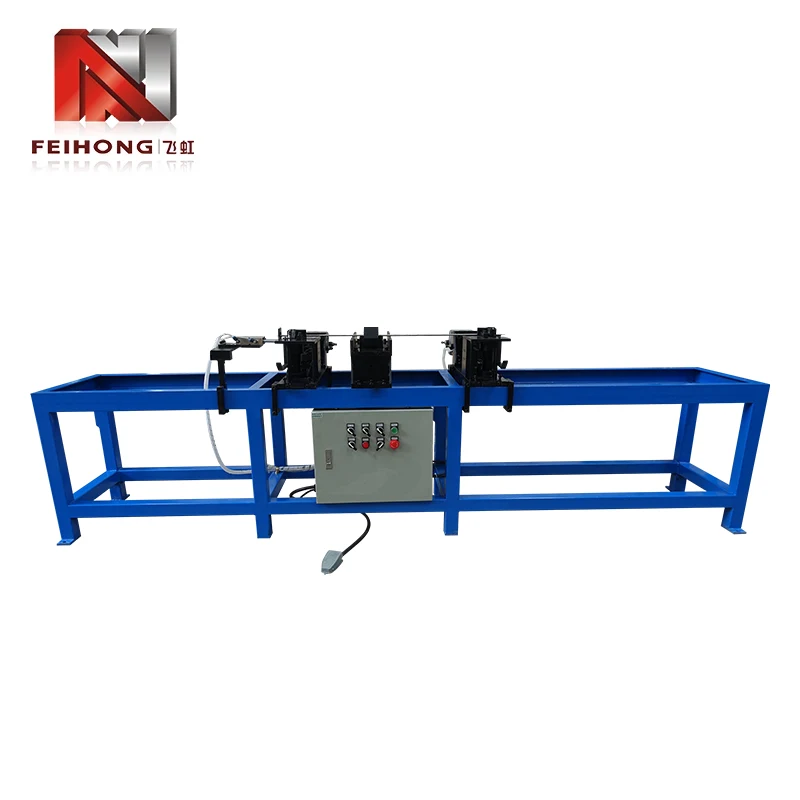
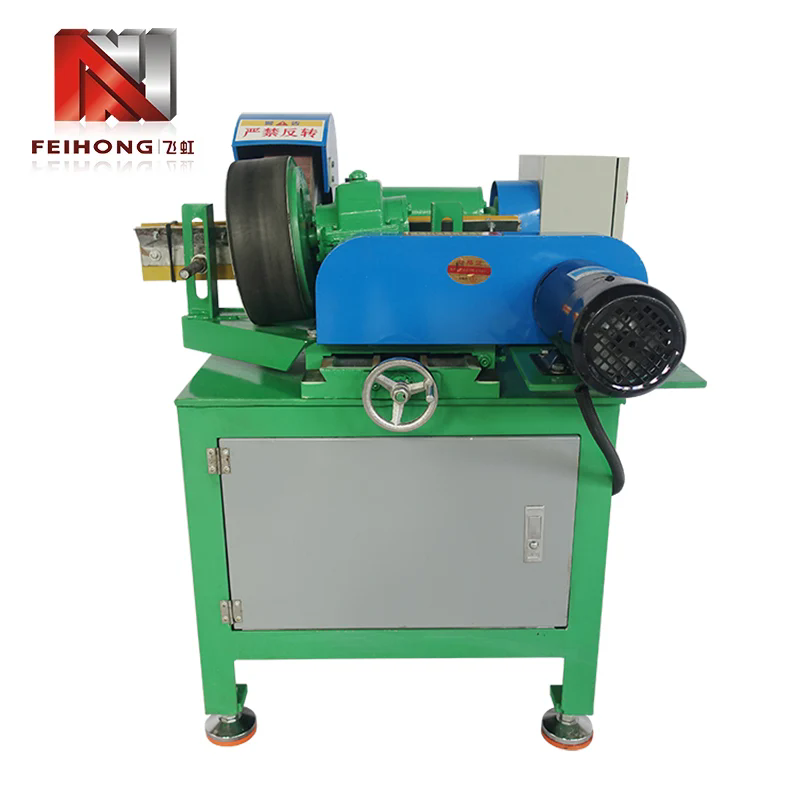
Bending Pipe Straightening Machine


Table of Contents


Manufacturing Challenges Without Straightening Equipment

In pipe and tube fabrication, deviations from straightness can lead to:

  • Assembly Issues: Misaligned pipes cause welding and fitting errors.
  • Operational Defects: Fluid dynamics and load-bearing performance suffer.
  • Rejected Parts: Quality inspection rejects increase production waste.
  • Delayed Delivery: Manual corrections increase processing time.

The absence of automated straightening creates bottlenecks that affect throughput, costs, and product consistency.


What Is a Pipe Straightening Machine and How It Works

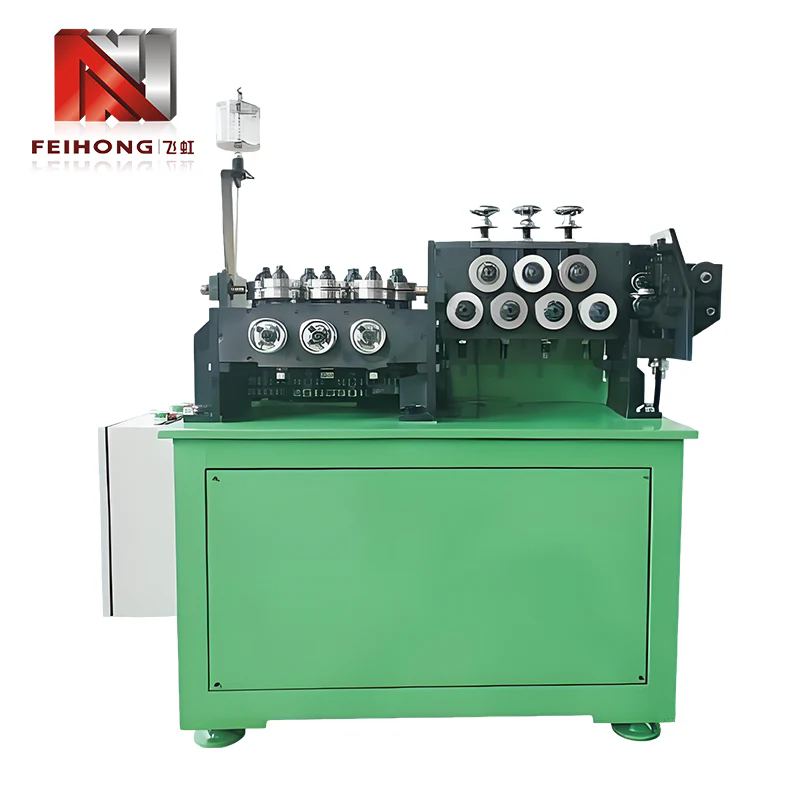
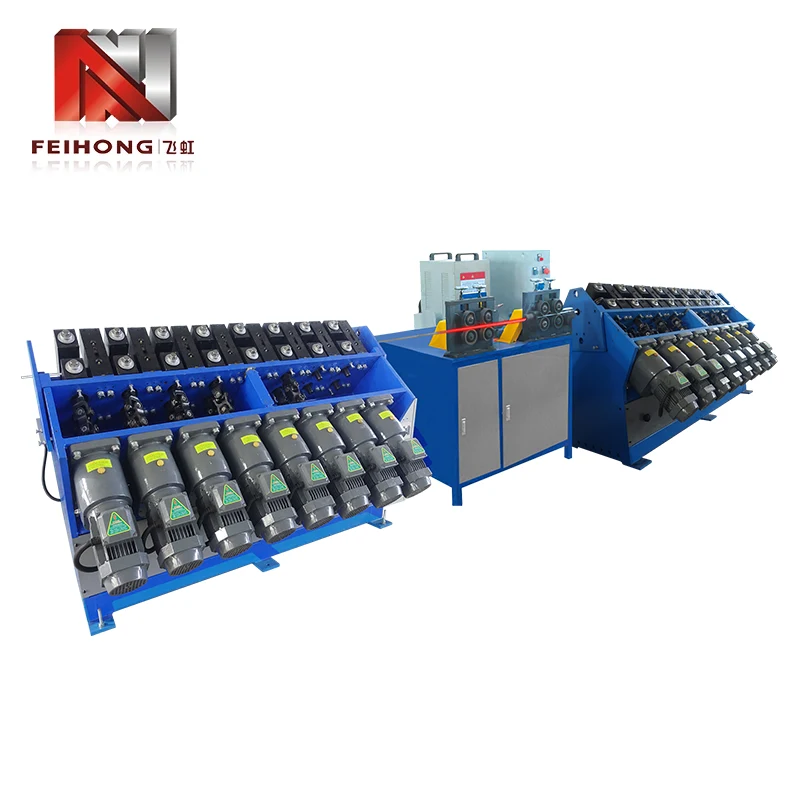
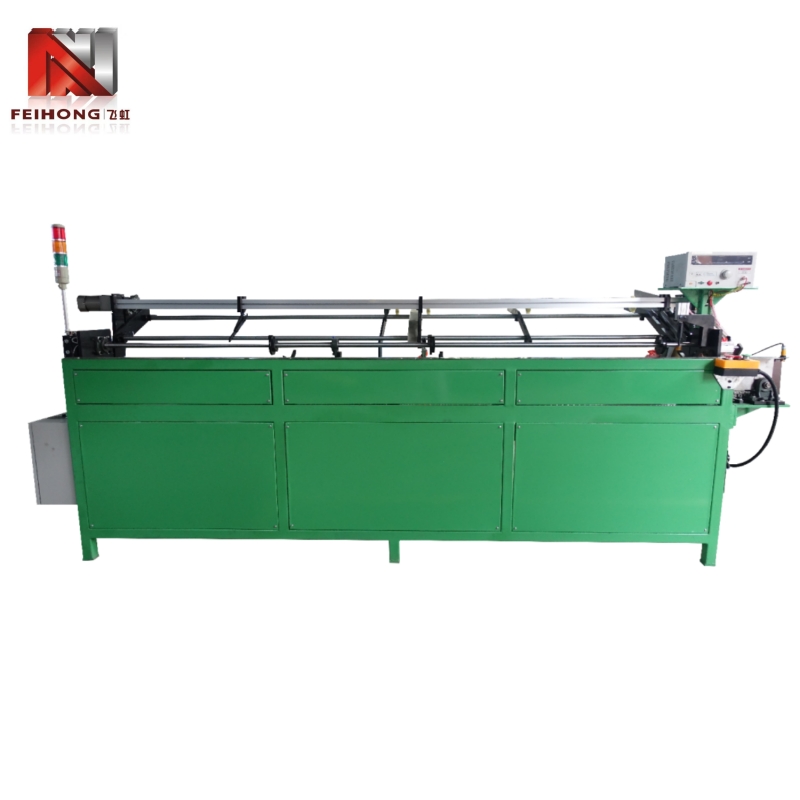
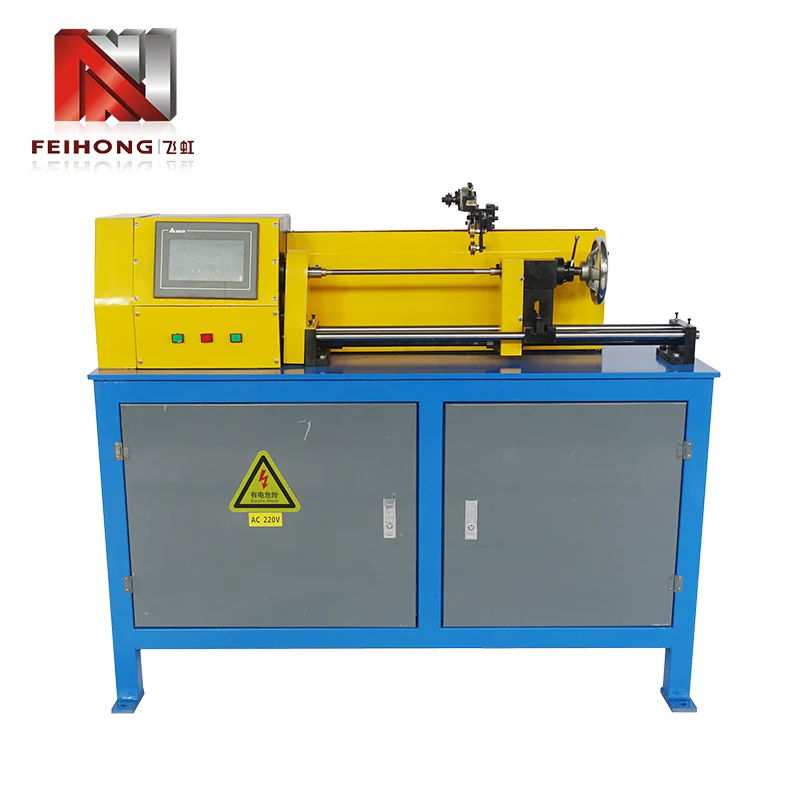
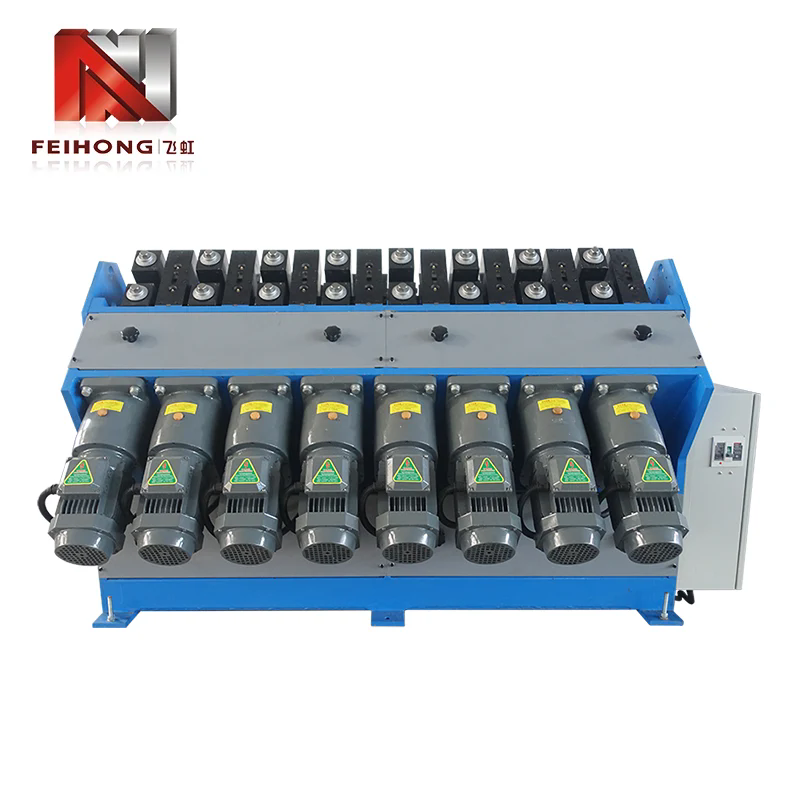
A Pipe Straightening Machine is industrial equipment designed to correct curvature in pipes and tubes. It uses a combination of rollers, guides, and controlled pressure to adjust the pipe toward a defined straightness tolerance.

  • Input Feed: Material enters the machine from a feed unit.
  • Straightening Rollers: Rolls progressively apply pressure to flatten deviations.
  • Control System: Adjusts force and speed based on material type and diameter.
  • Output Precision: Finished pipe meets specified straightness levels.

Advanced models include automated adjustment, digital readouts, and programmable settings for high-volume production.


Key Benefits of Using a Pipe Straightening Machine

Deploying a Pipe Straightening Machine brings measurable advantages:

Benefit Description
Improved Accuracy Achieves consistent straightness, reducing defects and rework.
Increased Productivity Automates repetitive tasks, freeing operators for higher-value work.
Cost Reduction Lowers scrap rates and manual fix costs over time.
Enhanced Quality Control Makes it easier to meet customer and regulatory standards.
Scalability Handles a range of diameters and materials in diverse production lines.

Application Scenarios Across Industries

Pipe Straightening Machines serve a broad set of industrial requirements, such as:

  • Automotive Manufacturing: Precision straight tubes for chassis and exhaust systems.
  • Construction and Infrastructure: Structural pipes for scaffolding and frames.
  • Oil and Gas: Pipeline components requiring exact alignment.
  • Furniture and Appliances: Tubular parts with aesthetic and functional strictness.
  • Mechanical Fabrication Shops: Custom jobs with variable materials and dimensions.

Criteria for Choosing the Right Machine

Selecting an appropriate Pipe Straightening Machine depends on multiple factors:

  • Material Type: Stainless steel vs carbon steel vs aluminum require distinct pressure profiles.
  • Diameter Range: Ensure the machine supports your smallest and largest pipes.
  • Production Volume: High-volume lines benefit from automation and quick-change tooling.
  • Accuracy Requirements: Tighter tolerances demand precision controls and feedback.
  • Service and Support: Availability of parts, maintenance, and training from the manufacturer.

Feihong machines are engineered with flexibility in mind, offering adjustable configurations to meet specific operational profiles.


Frequently Asked Questions

What materials can a Pipe Straightening Machine handle?

Most machines accommodate a wide range of materials, including stainless steel, carbon steel, copper, and aluminum. Confirm compatibility with the model specifications before purchase.

How do I maintain consistent straightness across batches?

Standardize settings, maintain rollers, and periodically calibrate the machine. Proper maintenance protocols reduce variation and improve repeatability.

Is automation essential for pipe straightening?

Automation increases throughput and reduces manual intervention errors. For small-scale operations, semi-automatic models may suffice; for larger volumes, fully automated units deliver optimal performance.

Can a machine correct severe bends?

Most machines can adjust moderate bends effectively. Severe curvature may require additional pre-treatment or specialized equipment depending on material properties.

What safety considerations are necessary?

Operators should be trained in machine operation, emergency stops should be accessible, and protective guards should be in place to prevent accidental contact with moving parts.


Conclusion and Next Steps

In summary, investing in a Pipe Straightening Machine addresses fundamental manufacturing challenges related to precision, productivity, and quality control. By selecting equipment that matches material profiles and production demands, businesses can reduce costs and enhance operational efficiency. Feihong provides robust solutions designed for diverse industrial scenarios. Whether you are upgrading existing lines or expanding capacity, integrating a high-quality Pipe Straightening Machine can deliver measurable improvements in product consistency and throughput.

Contact Us: To discuss your specific requirements and receive tailored recommendations, please reach out to Feihong’s expert team through the contact options below. We are ready to support your production goals with reliable machinery and responsive service.

Related News
Leave me a message
X
We use cookies to offer you a better browsing experience, analyze site traffic and personalize content. By using this site, you agree to our use of cookies. Privacy Policy
Reject Accept