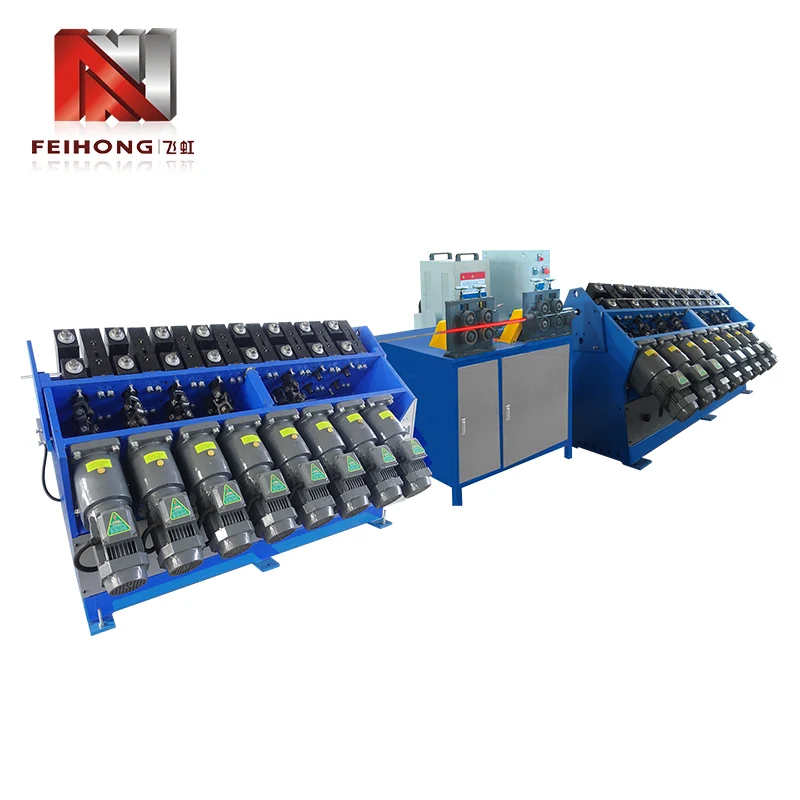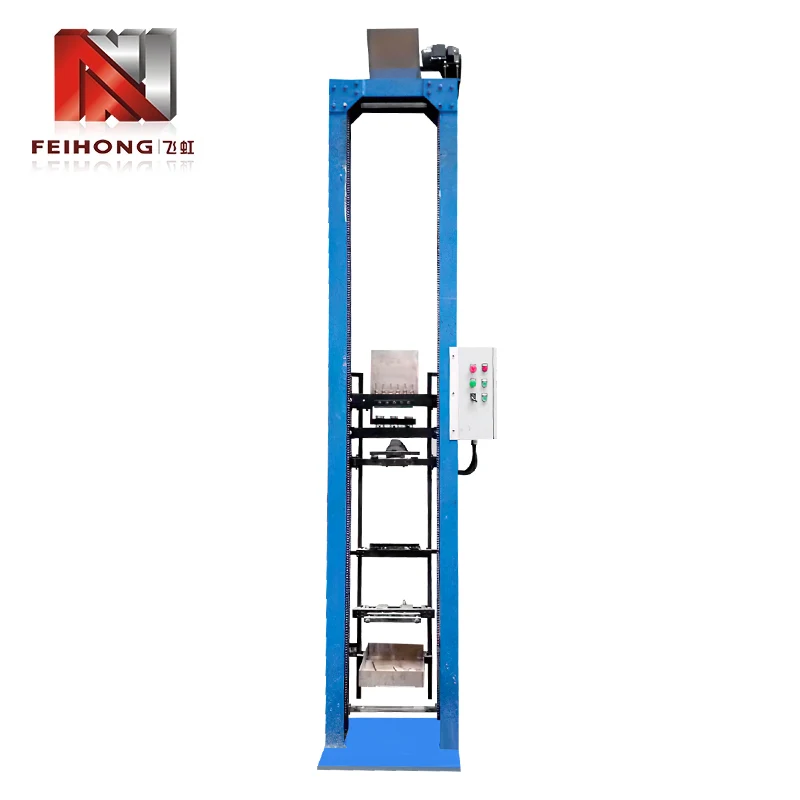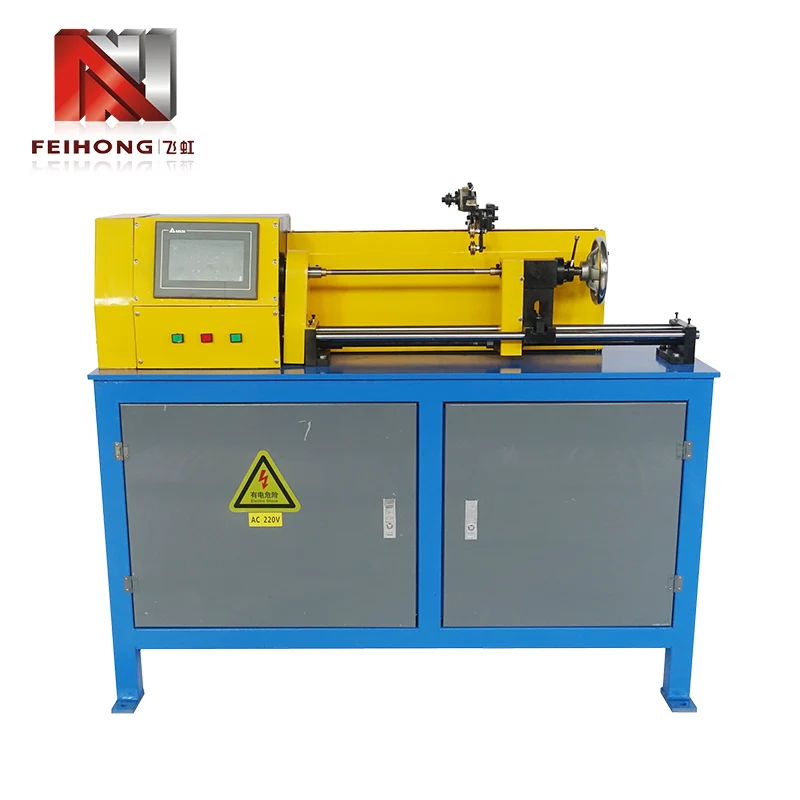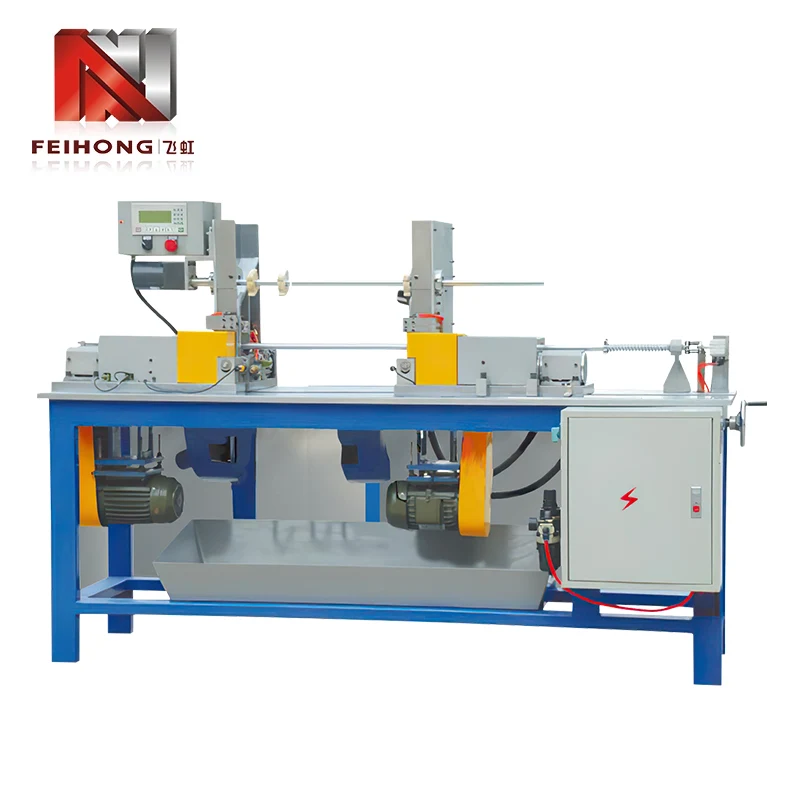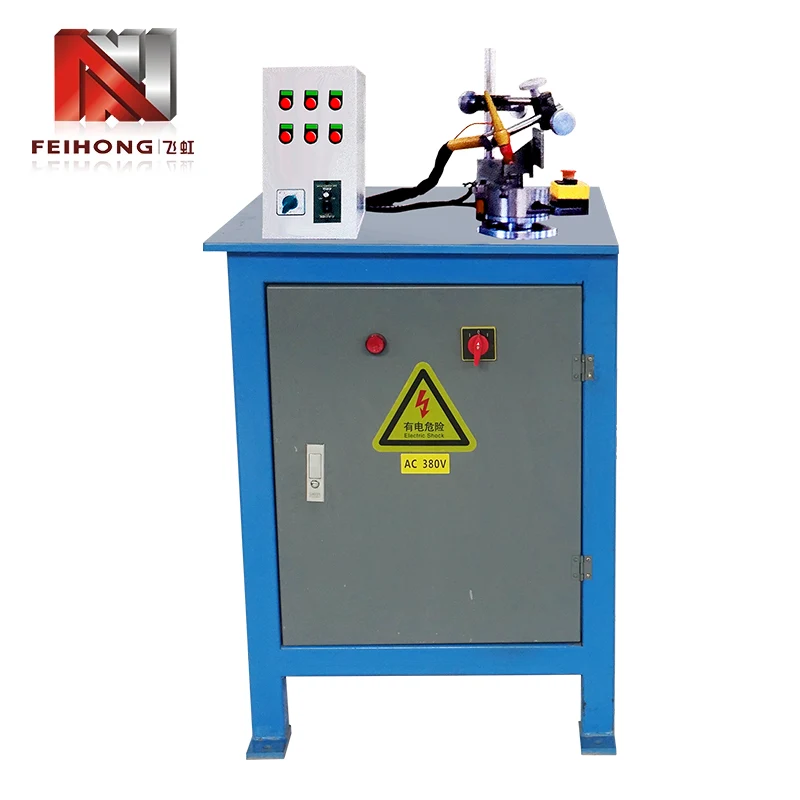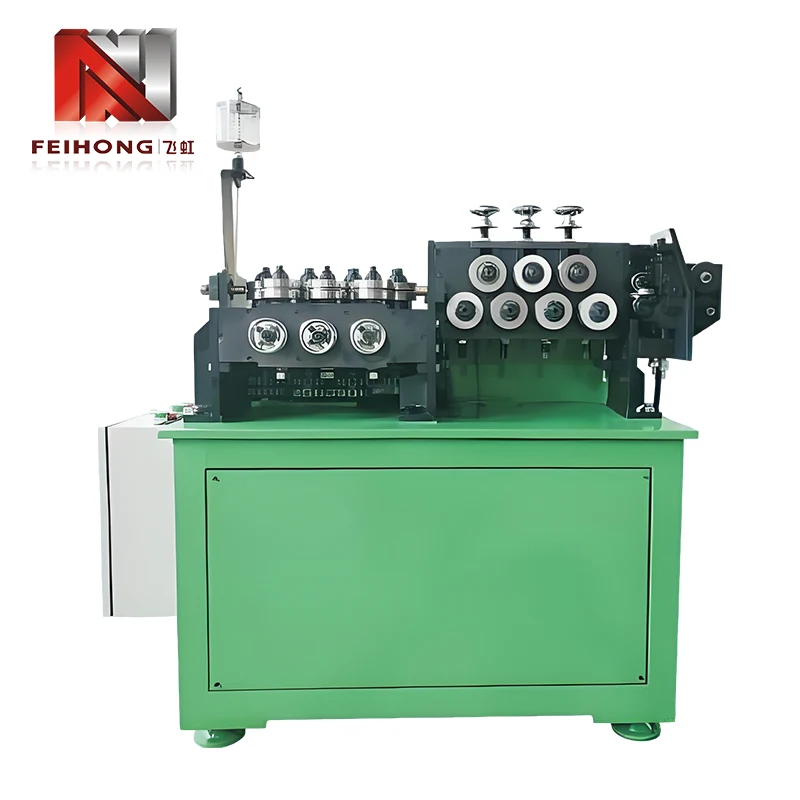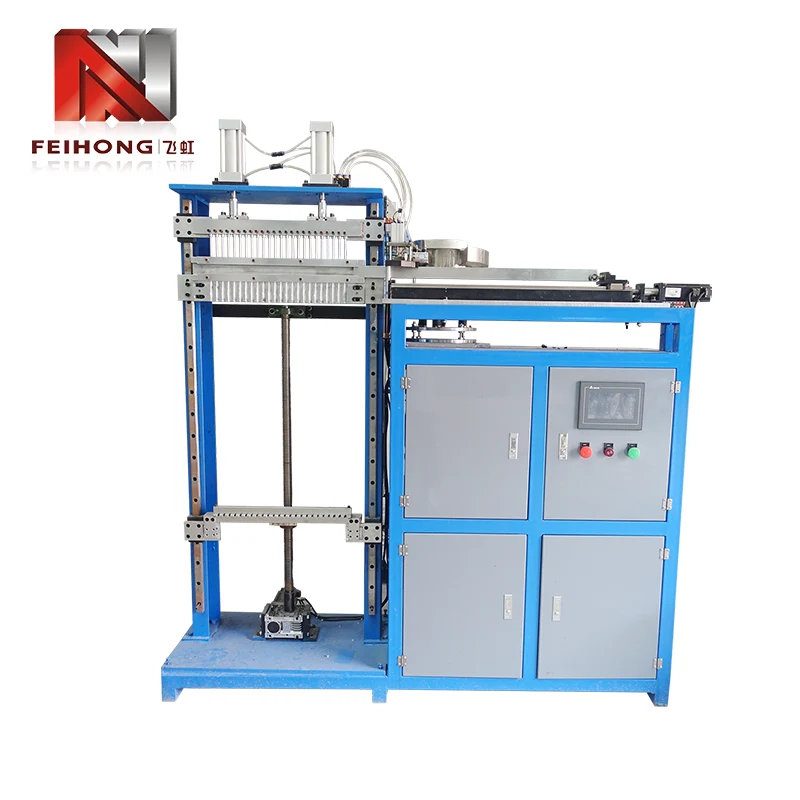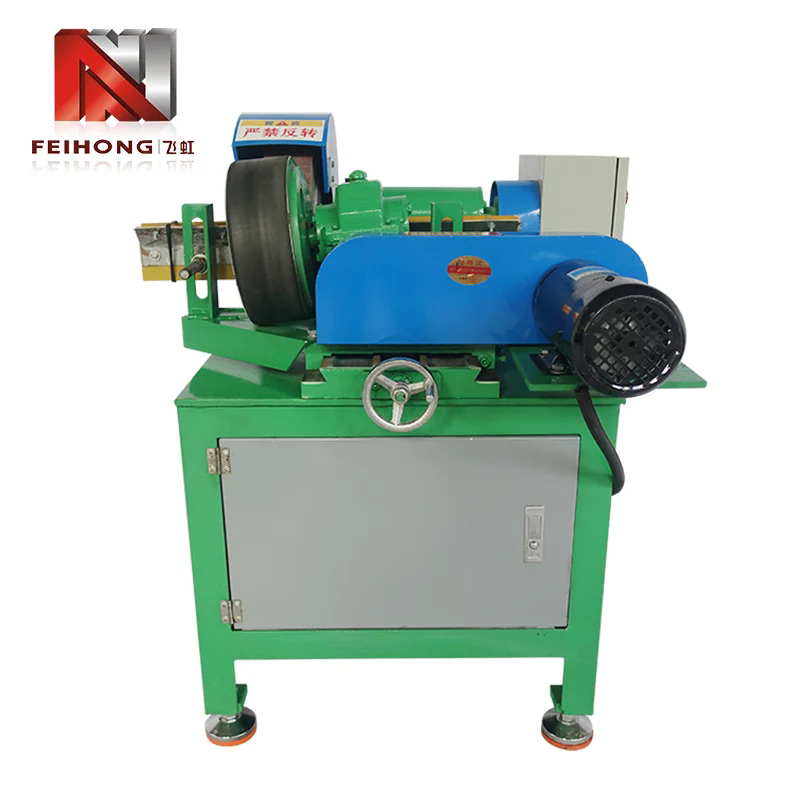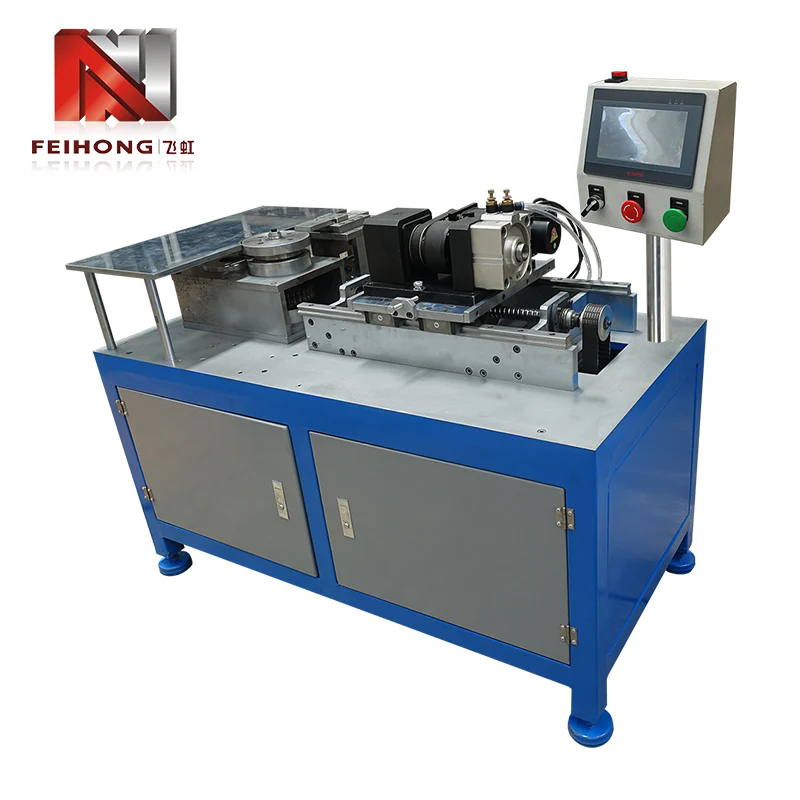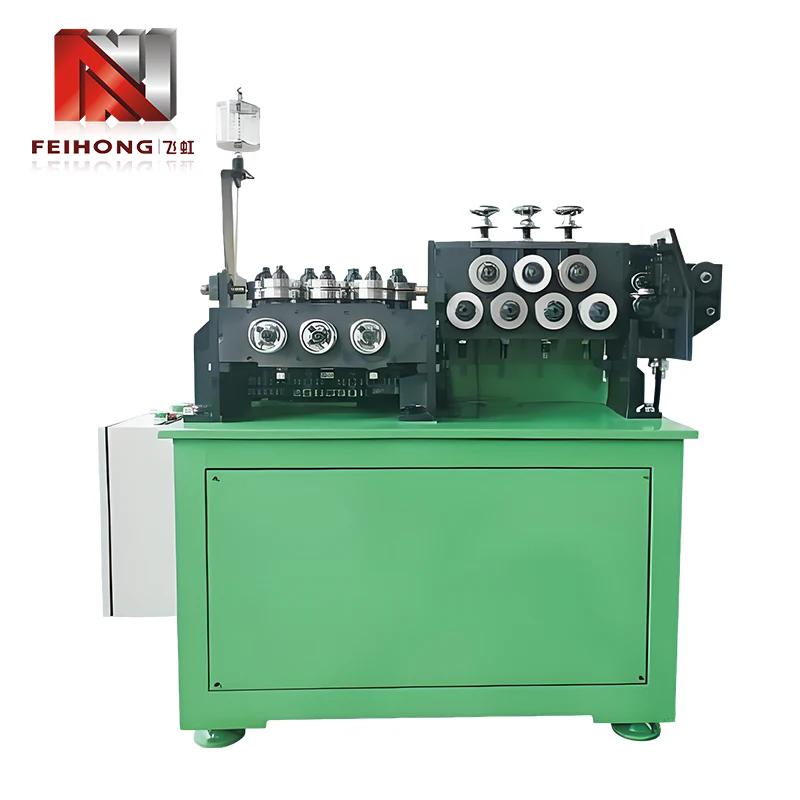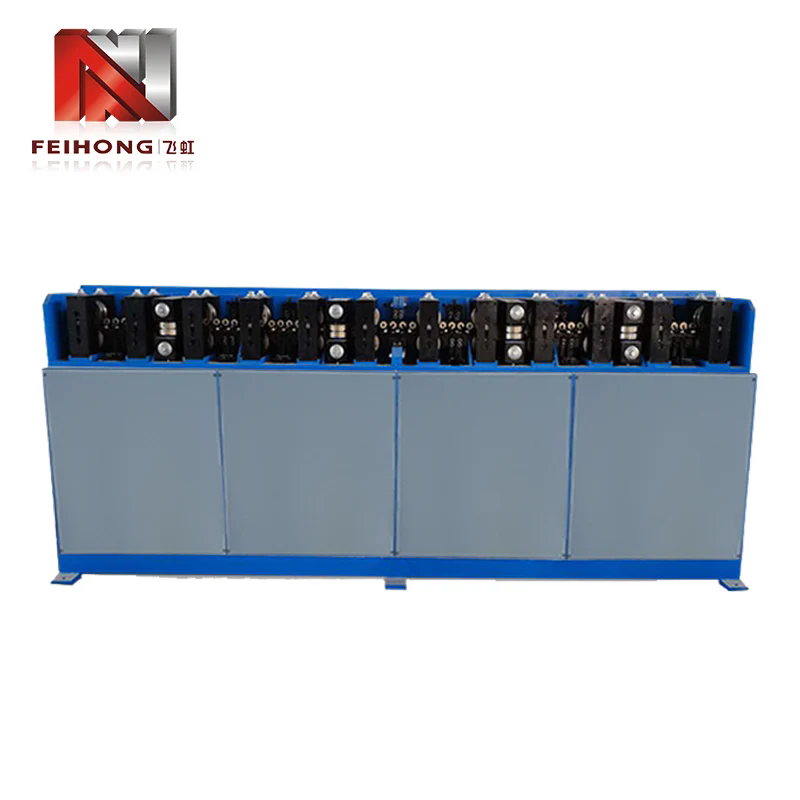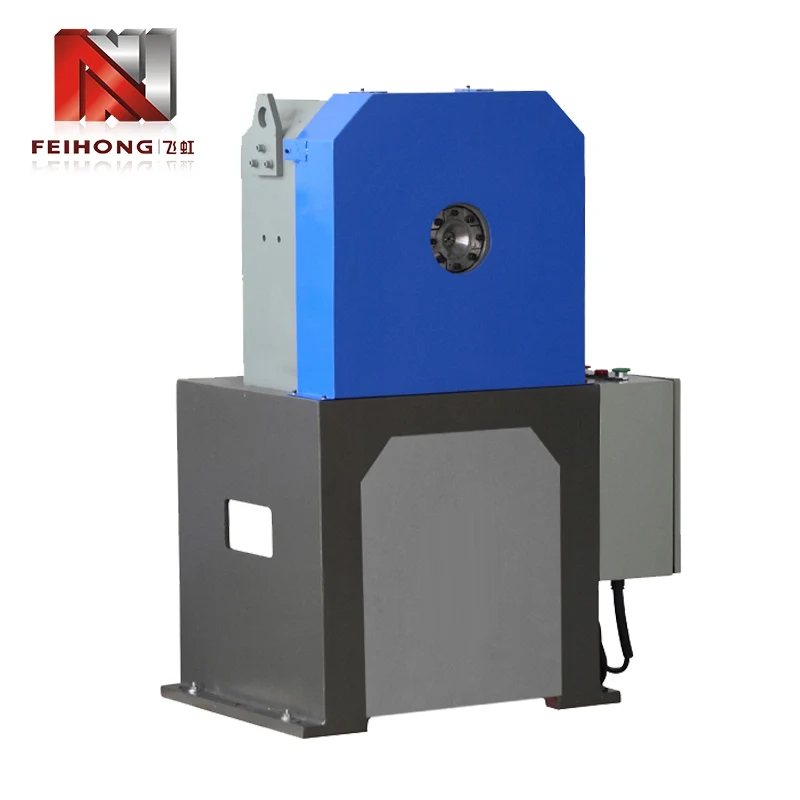
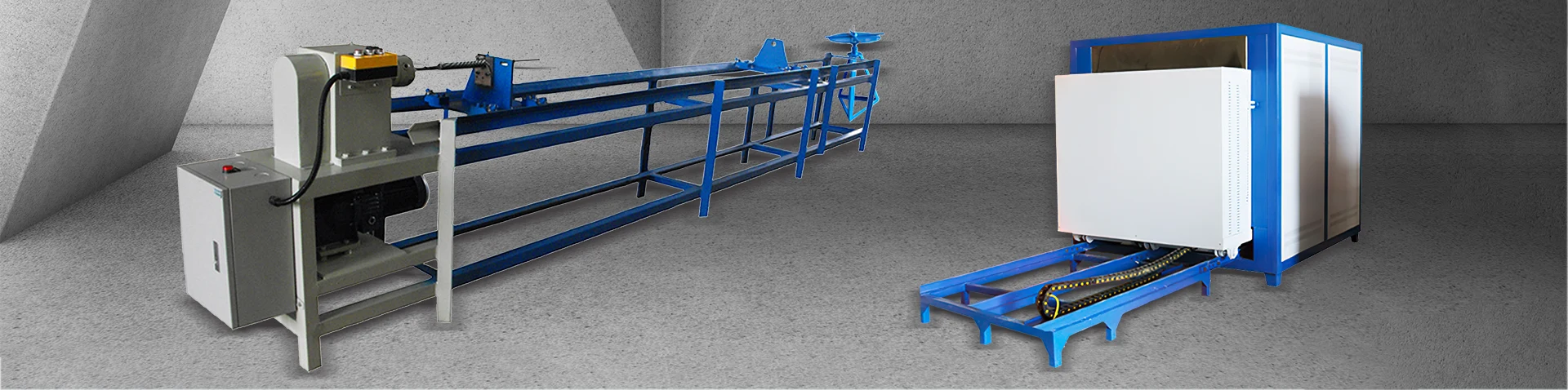
Pipe end and cap thread fabrication represents a critical stage in industrial pipe manufacturing, directly influencing the structural integrity, leak resistance, and long-term reliability of piping systems across residential, commercial, and industrial sectors. Traditional manual tapping methods, while flexible for small-batch work, often suffer from inconsistent thread quality, low production throughput, and high physical strain on operators, creating bottlenecks for scaling production and maintaining uniform quality standards. Dedicated thread forming equipment has emerged as a transformative solution for these challenges, enabling precise, repeatable thread production with significantly reduced manual intervention. Cap Threader systems, engineered specifically for thread processing on pipe caps and pipe ends, deliver one-pass forming capability for both internal and external threads, eliminating the inefficiencies of multi-step manual tapping and supporting seamless adaptation to diverse pipe specifications. As industrial demand for high-quality piping components continues to rise, understanding the technical principles, performance capabilities, and practical applications of specialized thread processing equipment has become essential for fabrication facilities seeking to optimize their production workflows, enhance product quality, and adapt to evolving industry requirements.
Table of Contents
- Core Principles of Pipe Cap and End Thread Formation
- Key Performance Indicators for Professional Thread Processing Equipment
- Manual and Automated Thread Processing Systems: A Comprehensive Comparison
- Essential Design Features for Reliable Long-Term Thread Processing
- Industry Applications and Use Case Scenarios
- Maintenance and Operation Best Practices for Extended Equipment Lifespan
- Frequently Asked Questions
- Expert Support for Your Thread Processing Operations
Core Principles of Pipe Cap and End Thread Formation
Precision thread production relies on controlled plastic deformation of metal materials to create uniform, dimensionally accurate thread profiles that meet industry standards for fit, strength, and sealing performance. Unlike thread cutting methods that remove material to form thread teeth, cold forming technology reshapes the metal surface through applied pressure, preserving the natural grain structure of the material and delivering superior mechanical strength and fatigue resistance. This forming method is particularly well-suited for pipe components, where thread durability directly impacts system safety and service life.
For pipe caps and pipe ends, thread processing presents unique geometric and dimensional challenges that demand specialized equipment design. Pipe caps typically require internal threads machined to precise depth and concentricity, while pipe ends may require either external or internal threads depending on the connection configuration. Cap Threader systems are engineered with dedicated tooling and spindle configurations to accommodate both workpiece types, ensuring uniform pressure distribution during the forming process to avoid elliptical deformation, uneven thread depth, or misaligned thread axes.
The one-pass forming capability of modern professional equipment represents a significant advancement over traditional multi-step manual processing. In manual tapping operations, operators typically make multiple passes with progressively larger taps to gradually form the thread, increasing the risk of cumulative error and tool misalignment with each pass. One-pass forming completes the full thread profile in a single, controlled stroke, ensuring consistent thread depth, pitch, and tooth shape across every workpiece. This capability not only reduces per-unit processing time but also eliminates the quality variations that commonly arise from multi-pass manual techniques.
The Mechanics of Cold Forming Thread Production
Cold thread forming operates on the principle of plastic deformation, where carefully applied radial and axial forces cause the metal material at the pipe surface to flow into the cavities of a rotating die head, taking on the precise shape of the thread profile. The process occurs at room temperature, eliminating the material property changes and thermal distortion associated with hot forming methods. As the die head rotates and advances along the workpiece axis, each tooth on the die progressively displaces material, building up the full thread profile through continuous, controlled pressure.
One of the key advantages of cold forming is the work hardening effect that occurs on the thread surface. The plastic deformation process compacts the metal grain structure at the thread flanks and crest, increasing surface hardness and wear resistance compared to cut threads. This makes cold-formed threads particularly well-suited for piping systems that will experience repeated assembly and disassembly, or that operate under high pressure or vibration conditions where thread wear could lead to leakage or joint failure.
The quality of cold-formed threads depends heavily on three core factors: the precision of the die tooling, the rigidity of the machine structure, and the accuracy of the feed mechanism. Die teeth must be machined to micron-level tolerances with smooth surface finishes to ensure clean material flow and prevent surface tearing or galling, especially when working with softer metals like copper or aluminum. The machine structure must absorb the reactive forces generated during the forming process without flexing, as even minor deflection can result in tapered threads or misaligned pitch. Finally, the feed mechanism must synchronize perfectly with spindle rotation to ensure the correct thread pitch is maintained consistently along the full thread length.
Material Compatibility and Thread Standard Compliance
Industrial piping systems utilize a wide range of metal materials, each with distinct mechanical properties that influence thread forming behavior. Professional thread processing equipment is designed to accommodate the most common pipe materials, with adjustable speed and force parameters to optimize forming results for each material type.
- Carbon steel pipes: The most widely used material in industrial and residential piping, carbon steel exhibits excellent formability and is well-suited for cold thread forming. Standard equipment configurations deliver optimal results for Schedule 40 and Schedule 80 carbon steel pipes across common size ranges.
- Stainless steel pipes: Used extensively in food and beverage, pharmaceutical, and corrosive environment applications, stainless steel requires slower forming speeds and higher forming forces due to its higher hardness and work hardening rate. Specialized die coatings are often recommended to reduce friction and prevent galling.
- Galvanized steel pipes: Commonly used for plumbing and outdoor infrastructure, galvanized steel requires careful parameter adjustment to prevent flaking or damage to the zinc coating during thread forming. Proper die geometry and optimized feed rates help maintain coating integrity while producing clean, accurate threads.
- Alloy steel pipes: Used in high-pressure and high-temperature industrial applications, alloy steels with higher strength require specialized tooling and controlled forming parameters to achieve accurate thread profiles without material cracking or excessive tool wear.
- Brass and copper pipes: Frequently used in plumbing and HVAC systems, these softer materials form readily but require sharp, smooth die surfaces to prevent surface tearing and ensure a smooth thread finish suitable for leak-tight connections.
Beyond material compatibility, compliance with global thread standards is a critical requirement for pipe fabrication facilities serving domestic and international markets. Different regions and industries utilize distinct thread standards with specific profiles, pitch dimensions, and tolerance specifications. Professional thread processing equipment supports these standards through interchangeable die heads machined to match each standard’s exact requirements.
Among the most common standards are the National Pipe Tapered (NPT) standard widely used in North America for general purpose and pressure piping applications, the British Standard Pipe Tapered (BSPT) and British Standard Pipe Parallel (BSPP) standards used throughout Europe and many Asian markets, and the National Pipe Straight Mechanical (NPSM) standard used for mechanical connections. Each standard requires specific die geometry, and the ability to quickly swap between die sets allows fabrication facilities to adapt to different customer requirements without investing in multiple dedicated machines.
Key Performance Indicators for Professional Thread Processing Equipment
Evaluating thread processing equipment requires examination of several core performance metrics that directly impact production output, product quality, and long-term operational reliability. Understanding these metrics allows fabrication teams to compare different equipment options and select solutions that align with their specific production volume, precision requirements, and workpiece characteristics.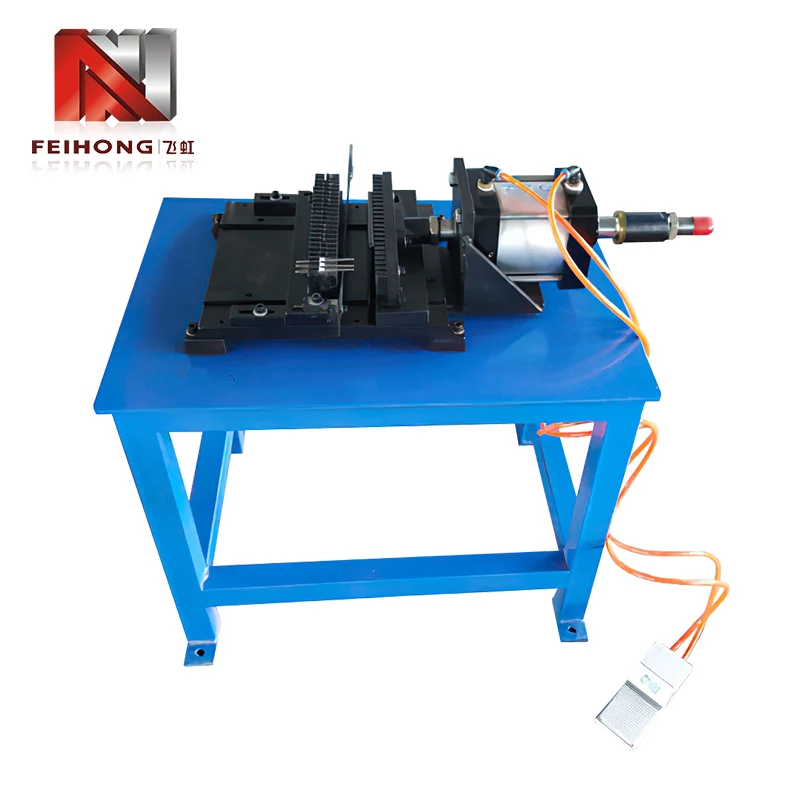
Processing Cycle Time and Production Consistency
Processing cycle time, defined as the total time required to complete a full thread on a single workpiece, is a primary metric for assessing production throughput. Cycle time includes not just the active forming time, but also workpiece loading, positioning, and unloading time. Manual processing methods have highly variable cycle times depending on operator skill and fatigue levels, with experienced operators typically completing one thread every several minutes for smaller sizes, and longer times for larger diameters or difficult materials.
Dedicated mechanized equipment significantly reduces cycle times through automated feed mechanisms and optimized spindle speeds. For common pipe sizes, professional machines can complete a full thread in tens of seconds, representing a several-fold increase in throughput compared to manual methods. More importantly, mechanized equipment delivers highly consistent cycle times across continuous production runs, eliminating the productivity drops that occur as manual operators fatigue over the course of a shift.
Production consistency extends beyond cycle time to include dimensional consistency across workpieces. In manual operations, thread depth, starting position, and perpendicularity can vary noticeably from one piece to the next, even with the same operator. This variability leads to higher rejection rates, increased rework time, and potential assembly issues downstream. Mechanized equipment with fixed positioning stops and controlled feed travel produces threads with nearly identical dimensions across hundreds or thousands of pieces, reducing scrap rates and simplifying assembly processes for end users.
Dimensional Tolerance and Thread Quality
Thread accuracy is measured against several dimensional parameters, each of which contributes to proper fit, sealing performance, and joint strength. These parameters include major diameter, minor diameter, pitch diameter, thread pitch, concentricity, and thread length. Professional equipment is engineered to maintain tight tolerances across all these parameters, ensuring compliance with industry standards and reliable performance in service.
Pitch diameter tolerance is particularly critical for threaded pipe connections, as it directly determines the fit between mating parts and the integrity of the seal. For tapered pipe threads, which rely on interference between mating threads to create a leak-tight seal, accurate pitch diameter and taper angle are essential. Equipment with insufficient structural rigidity or imprecise feed mechanisms can produce threads with tapered pitch diameters or inconsistent taper, leading to joints that either leak or seize improperly during assembly.
Surface finish quality is another important aspect of thread performance. Smooth, uniform thread flanks reduce friction during assembly, minimize wear during repeated connections, and support effective sealing with thread sealant compounds. Cold forming processes naturally produce smoother thread surfaces than cutting methods, but the quality of the die surface and the accuracy of the forming motion directly influence the final finish. High-quality equipment with precision-ground dies and stable spindle motion produces threads with consistent surface finishes free of tearing, chatter marks, or material buildup.
| Processing Method | Pipe Size Range | Internal Thread Support | External Thread Support | One-Pass Forming | Tolerance Grade | Suitable Production Volume |
|---|---|---|---|---|---|---|
| Manual Hand Tapping | 1/2" – 2" | Yes | Limited | No | IT12 – IT14 | Small batch / field repair |
| Manual Threading Machine | 1/2" – 4" | Yes | Yes | Yes | IT10 – IT12 | Medium batch / job shop |
| Automatic Threading Machine | 1/2" – 6" | Yes | Yes | Yes | IT8 – IT10 | Large batch / continuous production |
The table above summarizes comparative performance across three common thread processing approaches. As equipment sophistication increases, so does the achievable tolerance grade, size range flexibility, and production volume capacity. Facilities must balance these performance factors against their operational needs to select the most appropriate solution for their specific application.
Manual and Automated Thread Processing Systems: A Comprehensive Comparison
Thread processing equipment is broadly categorized into manual and automated system types, each with distinct operational characteristics, advantages, and ideal use cases. Selecting between these categories depends on factors including production volume, workpiece variety, available operator skill, and facility space constraints. Understanding the relative strengths of each system type helps decision-makers make informed choices that align with their operational realities.
Manual Thread Processing Equipment: Characteristics and Suitable Scenarios
Manual threading machines feature a manually operated feed mechanism, where the operator controls the advance and retraction of the die head using a hand wheel or lever. The machine provides powered spindle rotation, but the operator maintains direct control over feed rate, forming pressure, and thread depth. This semi-mechanized approach offers a middle ground between fully manual hand tapping and fully automated systems.
The primary advantages of manual machines include lower upfront equipment cost, compact footprint, and high operational flexibility. Operators can adjust forming parameters on the fly for different materials or special workpiece requirements, making these machines well-suited for job shops and fabrication facilities that handle frequent changes in pipe size, material, and thread standard. The simpler mechanical design also means easier maintenance and fewer complex components that could require specialized service.
Manual machines do have inherent limitations. Production throughput remains dependent on operator skill and physical stamina, as the operator must apply consistent force and maintain steady feed speed throughout the forming process. Quality consistency can also vary between operators or over the course of a long shift, as fatigue leads to variations in feed rate or alignment. For these reasons, manual machines are most effective for small to medium production volumes where flexibility takes priority over maximum throughput.
Automated Thread Processing Systems: Capabilities and Operational Advantages
Automatic threading machines integrate powered feed mechanisms with preset travel limits and adjustable speed controls, reducing the level of manual input required for each production cycle. Once the operator loads the workpiece and sets the appropriate parameters, the machine completes the full thread forming cycle automatically, retracting the die head once the preset thread depth is reached. Higher-level automated systems may also include automatic workpiece clamping, integrated cooling systems, and programmable cycle parameters for different workpiece types.
The most significant advantage of automated systems is consistent, high-volume production capability. With automated feed control, cycle times remain uniform across all workpieces regardless of operator fatigue or skill level. A single operator can tend to multiple machines simultaneously, loading and unloading workpieces while the machines run their cycles, dramatically increasing overall labor productivity. The controlled feed motion also delivers more consistent thread quality, with tighter dimensional tolerances and lower rejection rates compared to manual operation.
Automated systems also offer improved process repeatability for large production runs. Once optimal parameters are established for a specific pipe size, material, and thread standard, those settings can be saved and replicated for future production runs, ensuring consistent quality across different shifts and production batches. This repeatability is particularly valuable for facilities manufacturing standardized pipe components for long-term supply contracts, where consistent product quality is a core requirement.
As one of the specialized manufacturers in this field, Zhaoqing Feihong Machinery & Electrical Co., Ltd. offers both manual and automatic equipment configurations, allowing facilities to select solutions that match their specific production scale and operational requirements. Each configuration is engineered to deliver reliable performance, precise thread forming, and long service life, with design optimizations tailored to the unique demands of pipe cap and pipe end thread processing.
Essential Design Features for Reliable Long-Term Thread Processing
The performance and durability of thread processing equipment are directly determined by core design decisions that address the mechanical stresses of cold forming operations. High-quality machines incorporate specific engineering features that enhance precision, extend service life, improve operator safety, and reduce maintenance requirements. Understanding these design features helps equipment buyers evaluate build quality and identify machines capable of delivering consistent performance under continuous production conditions.
Structural Rigidity and Vibration Suppression Design
The thread forming process generates significant radial and axial forces that can cause machine flexing if the structure lacks sufficient rigidity. Even microscopic deflection of the spindle or machine frame during operation can result in tapered threads, pitch errors, or poor surface finish. For this reason, professional-grade machines use heavy, vibration-dampening construction materials and robust frame designs to maintain dimensional stability under load.
High-quality machines typically feature cast iron machine bodies and base structures. Cast iron exhibits excellent vibration damping properties, absorbing the high-frequency vibrations generated during the forming process before they can affect tool alignment or workpiece precision. The dense, homogeneous structure of cast iron also provides exceptional long-term dimensional stability, resisting warping or shifting over years of use that could degrade machining accuracy.
Additional rigidity features include reinforced spindle housings, precision-ground guide rails, and heavy-duty bearing assemblies. The spindle assembly, which holds and rotates the die head, must run with minimal radial and axial play to ensure concentric thread formation. High-precision tapered roller bearings or angular contact bearings provide the necessary load capacity and rotational accuracy, while properly sized spindle shafts resist bending under forming loads.
Tooling System Flexibility and Quick Change Mechanism
The ability to quickly adapt to different pipe sizes and thread standards is a critical capability for most fabrication facilities. Modern thread processing machines utilize modular die head systems that allow rapid tooling changes, minimizing downtime during production changeovers. The design of the die head and clamping mechanism directly impacts changeover speed, alignment accuracy, and overall operational flexibility.
Quick-release die head systems use precision-machined locating surfaces and secure clamping mechanisms to ensure that each die set installs in exactly the same position every time. This eliminates the need for time-consuming alignment adjustments after each tool change, allowing operators to switch between pipe sizes or thread standards in minutes rather than hours. The locating surfaces are hardened and ground to maintain accuracy over thousands of tool change cycles.
Die tooling itself represents a critical consumable component that directly influences thread quality and production cost. Professional-grade dies are manufactured from high-alloy tool steel and undergo precision machining and heat treatment to achieve the necessary hardness, toughness, and wear resistance. Premium dies may also feature specialized surface coatings such as titanium nitride (TiN) or diamond-like carbon (DLC) to reduce friction, improve material flow, and extend service life, particularly when processing difficult materials like stainless steel.
Operator Safety and Ergonomic Design
Industrial production equipment must prioritize operator safety and ergonomics to reduce workplace injuries and support sustainable long-term operation. Thread processing machines involve rotating components and significant forming forces, making proper safety features an essential design consideration rather than an optional add-on.
- Emergency stop controls: Strategically placed emergency stop buttons within easy reach of the operator allow immediate shutdown of all machine functions in the event of a hazard. High-visibility, mushroom-shaped buttons are standard on professional equipment, with redundant safety circuits to ensure reliable operation.
- Movable safety guards: Transparent safety guards shield the rotating die head and workpiece area while allowing operators to clearly view the forming process. These guards are typically interlocked, meaning the machine cannot operate when the guard is open, preventing accidental contact with moving components.
- Overload protection: Mechanical or electrical overload protection systems disengage the drive or stop the feed motion if forming forces exceed safe limits, preventing damage to the machine, tooling, and workpiece in the event of misalignment or over-sized material.
- Ergonomic working height: Machine work surfaces and control elements are positioned at heights optimized for standing or seated operation, reducing operator fatigue during long production shifts. Controls are arranged logically within comfortable reach, with clearly labeled functions to minimize operator error.
- Chip and coolant containment: Integrated chip trays and coolant collection systems contain metal shavings and cutting fluid, maintaining a clean work area and reducing slip hazards. This also simplifies routine cleaning and maintenance procedures.
These design features collectively contribute to a safer, more efficient working environment, reducing the risk of occupational injuries and supporting consistent operator performance throughout production shifts. Facilities that prioritize equipment with strong ergonomic and safety design typically experience lower absenteeism rates, fewer workplace incidents, and higher overall operational efficiency.
Industry Applications and Use Case Scenarios
Specialized thread processing equipment serves a diverse range of industries where threaded pipe connections play a critical role in system function and safety. Each industry has unique performance requirements, regulatory standards, and production volume demands that influence the selection of thread processing solutions. Understanding these application scenarios helps equipment users match machine capabilities to specific industry needs.
Plumbing and HVAC System Manufacturing
The plumbing and HVAC sector represents one of the largest markets for threaded pipe components, with millions of threaded pipe ends and caps used annually in residential and commercial building construction. Potable water supply systems, drainage systems, heating piping, and air conditioning refrigerant lines all rely on threaded connections for fast, reliable installation and long-term leak-free performance.
For plumbing component manufacturers, production efficiency and consistent thread quality are top priorities. High-volume production of standard pipe sizes demands equipment capable of continuous operation with minimal downtime for tool changes or maintenance. Thread quality must meet plumbing code requirements for pressure rating and leak resistance, as defective threads can lead to costly water damage and warranty claims after installation.
HVAC applications add additional considerations, including compatibility with refrigerant gases and requirements for corrosion-resistant materials such as copper and galvanized steel. Thread forming equipment used in HVAC manufacturing must deliver clean, burr-free threads that support proper flaring and connection sealing, preventing refrigerant leaks that can reduce system efficiency and require expensive service calls.
For production facilities focused on pipe cap manufacturing for plumbing and HVAC supply chains, Cap Threader equipment delivers dedicated internal thread forming capability optimized for high-volume cap production. The one-pass forming process ensures uniform thread depth and taper across thousands of caps, supporting consistent assembly performance and reducing quality control inspection requirements.
Petrochemical and Industrial Process Piping
Petrochemical refineries, chemical processing plants, and power generation facilities utilize extensive piping networks that transport fluids and gases under high pressure and often extreme temperature conditions. Threaded connections in these environments must withstand not only mechanical stress and pressure but also corrosive chemical exposure, making thread quality and material integrity critical safety factors.
Industrial process piping typically uses heavier wall thickness pipes and higher strength alloy materials compared to standard plumbing applications. Thread processing equipment for this sector must have sufficient power and structural rigidity to form threads in thick-walled alloy steel pipes while maintaining the tight tolerances required for high-pressure joint integrity. Equipment must also support a range of specialized thread standards specified for industrial piping applications.
Cold-formed threads are particularly advantageous for industrial piping applications due to their enhanced mechanical strength. The work-hardened thread surface and uninterrupted grain structure provide better resistance to fatigue failure under cyclic pressure and vibration conditions common in industrial process systems. This improved durability translates to longer service life for threaded connections and reduced risk of catastrophic failure in critical process piping.
Municipal Infrastructure and Fire Protection Systems
Municipal water supply networks, wastewater treatment systems, and fire protection sprinkler systems represent another major application area for threaded pipe components. These public infrastructure systems require decades of reliable service with minimal maintenance, making connection integrity a long-term performance priority.
Fire protection systems have particularly stringent requirements, as threaded joint failure can render sprinkler systems inoperable during a fire emergency. Fire protection piping standards specify precise thread dimensions and installation requirements to ensure consistent performance across all system components. Thread processing equipment used for fire protection pipe manufacturing must produce threads that meet these exacting standards consistently, supporting reliable system performance for life safety applications.
Municipal water and wastewater systems often use larger diameter pipes compared to residential plumbing, requiring equipment capable of handling pipe sizes up to 6 inches or larger. These applications also frequently use galvanized or coated pipes for corrosion resistance, requiring thread forming processes that preserve the protective coating while producing accurate, clean threads. Properly formed threads minimize coating damage at the connection point, maintaining corrosion resistance and extending the service life of the installed piping network.
Maintenance and Operation Best Practices for Extended Equipment Lifespan
Even the highest quality thread processing equipment requires proper maintenance and correct operation to deliver consistent performance over its intended service life. Following established best practices for routine care, tooling management, and operator training reduces unplanned downtime, maintains thread accuracy, and extends the usable life of both the machine and its tooling components. Cap Threader equipment, when maintained according to manufacturer guidelines, can deliver reliable service for many years even under continuous production conditions.
Routine Inspection and Lubrication Protocols
Regular inspection and proper lubrication form the foundation of effective equipment maintenance. These preventive measures identify potential issues before they lead to equipment failure or quality degradation, and they reduce friction and wear on critical moving components.
Daily pre-operation inspections should include checks of all safety devices, verification of spindle and feed mechanism smoothness, inspection of die tooling for wear or damage, and confirmation of proper lubricant levels. Operators should also check workpiece clamping mechanisms to ensure they hold workpieces securely without slippage during the forming process. Any unusual noises, vibrations, or movement irregularities noted during operation should be investigated promptly to identify the root cause before further production continues.
Lubrication requirements vary by machine component. Spindle bearings, guide rails, feed screws, and gear assemblies all require specific lubricant types and lubrication intervals as specified by the equipment manufacturer. Using the correct lubricant grade and applying it at the recommended intervals prevents premature wear and maintains the precision alignment of critical components. Over-lubrication should be avoided, as excess lubricant can attract metal dust and chips that act as abrasive particles, accelerating wear rather than preventing it.
Proper lubrication also extends to the thread forming process itself. Forming lubricants or cutting fluids serve multiple purposes: they reduce friction between the die and workpiece, dissipate heat generated during forming, improve surface finish quality, and flush away fine metal particles. Selecting the appropriate forming lubricant for the workpiece material and applying it at the correct rate improves thread quality and significantly extends die service life. For optimal results, lubricant type and application method should be matched to both the material being processed and the production volume.
A well-maintained Cap Threader can maintain its original factory tolerances for many years, while neglected equipment may experience accelerated wear and declining thread quality within a fraction of its intended service life. Establishing a formal preventive maintenance schedule with documented inspection points, lubrication procedures, and service intervals is the most effective way to protect equipment investment and ensure long-term production reliability.
Tooling Maintenance and Calibration Guidelines
Die tooling represents a critical production component that directly impacts thread quality and operating cost. Proper tooling care and maintenance extend die life, maintain consistent thread quality, and reduce overall tooling expenditure. Effective tooling management includes proper handling, routine inspection, scheduled replacement, and accurate calibration.
After each production run, dies should be thoroughly cleaned to remove metal chips, lubricant residue, and accumulated debris. A soft brush and appropriate cleaning solvent remove contaminants without damaging the precision die surfaces. Cleaned dies should be lightly coated with rust preventive oil and stored in a dry, protected location to prevent corrosion and surface damage. Dies should always be stored in their matched sets to avoid mixing components from different sets, which could result in incorrect thread profiles.
Regular inspection of die teeth for wear, chipping, or surface damage allows timely replacement before degraded tooling leads to poor thread quality or increased scrap rates. Signs of die wear include reduced thread surface finish quality, increased forming force requirements, and dimensional deviation from specification. Operators and maintenance personnel should learn to recognize these early warning signs and schedule die replacement during planned downtime rather than waiting for catastrophic tool failure.
Periodic machine calibration ensures that equipment continues to produce threads within specification as components wear over time. Calibration procedures include checking spindle runout, verifying feed pitch accuracy, and confirming thread depth stop positioning. Calibration should be performed by trained personnel using appropriate precision measuring instruments, and any adjustments should follow manufacturer specifications. Regular calibration catches gradual drift in machine performance before it affects product quality, maintaining consistent production output over the machine’s service life.
Operator Training and Standardized Operation Procedures
Even the best maintained equipment will underperform if operated incorrectly. Comprehensive operator training and standardized operating procedures ensure that equipment is used within its design parameters, reducing unnecessary wear, minimizing safety risks, and maintaining consistent production quality. Well-trained operators are also more likely to identify early signs of equipment issues, enabling timely maintenance before problems escalate.
Effective operator training covers multiple areas of knowledge and skill. Operators should understand the basic operating principles of the equipment, including the function of each control and the relationship between adjustable parameters and thread quality. They should learn proper workpiece loading and clamping techniques to ensure correct alignment and prevent workpiece slippage during forming. Training should also include instruction on die change procedures, routine maintenance tasks, safety protocols, and basic troubleshooting for common issues.
Standardized operating procedures (SOPs) document the correct step-by-step process for each machine function, including setup for different pipe sizes, parameter adjustments for different materials, die change procedures, and daily maintenance tasks. Written SOPs ensure consistent operation across different shifts and different operators, reducing variability in product quality and minimizing the risk of operator error. SOPs should be reviewed and updated periodically to incorporate best practices, address new equipment configurations, and reflect changes in production requirements.
Ongoing training and skill development further improve operational performance. Regular refresher training reinforces proper techniques and updates operators on new procedures or equipment modifications. Cross-training allows multiple team members to operate the equipment, providing production flexibility and reducing dependency on a single skilled operator. Facilities that invest in comprehensive operator training typically experience lower equipment downtime, higher product quality, and improved workplace safety performance.
Frequently Asked Questions
What types of pipe materials are compatible with standard thread processing equipment?
Standard professional thread processing equipment is compatible with most common pipe materials used in industrial and commercial applications, including carbon steel, galvanized steel, stainless steel, brass, copper, and certain alloy steels. Each material has different forming characteristics, so optimal processing parameters such as spindle speed, feed rate, and forming lubricant should be adjusted accordingly. Harder materials such as high-strength alloy steels may require specialized die coatings or modified processing approaches to achieve quality results and reasonable tool life. Always consult equipment guidelines for specific material recommendations and parameter settings.
Can a single machine process both internal and external threads?
Yes, most professional-grade thread processing machines support both internal and external thread production through the use of interchangeable die heads and tooling sets. Internal thread dies are used for processing pipe caps and internal pipe end threads, while external thread dies handle external pipe end threading. Quick-change die head systems allow operators to switch between internal and external configurations relatively quickly, providing production flexibility for facilities that manufacture a mix of pipe components. The machine’s spindle design and power rating determine the maximum size capacity for each thread type.
What thread standards can be achieved with modern thread forming equipment?
Modern thread forming equipment can accommodate all major global pipe thread standards through the use of standard-specific die sets. The most commonly supported standards include NPT (National Pipe Tapered) used widely in North America, BSPT (British Standard Pipe Tapered) and BSPP (British Standard Pipe Parallel) common in European and Asian markets, and NPSM (National Pipe Straight Mechanical) used for mechanical connections. Additional specialty standards can often be accommodated with custom-manufactured die sets. When selecting equipment, verify that the manufacturer offers die sets for the specific standards required for your market and applications.
How often should tooling dies be replaced during regular production?
Die service life varies significantly depending on the material being processed, production volume, lubrication practices, and maintenance quality. Under typical conditions processing standard carbon steel pipe with proper lubrication and maintenance, a set of high-quality dies can produce thousands to tens of thousands of threads before requiring replacement. Processing harder materials such as stainless steel or alloy steel will reduce die life accordingly. Rather than relying on a fixed replacement schedule, the best practice is to regularly inspect die condition and monitor thread quality, replacing dies when thread finish degrades, dimensional tolerance drifts, or visible wear appears on the die teeth.
Is special training required to operate industrial thread processing equipment?
While basic operation of modern thread processing equipment is relatively intuitive, formal training is strongly recommended to ensure safe operation, consistent quality, and proper equipment care. Training covers correct loading and clamping procedures, parameter adjustment for different materials and sizes, die change protocols, routine maintenance steps, safety procedures, and basic troubleshooting. Operators without proper training are more likely to produce substandard threads, accelerate equipment wear, and create safety hazards. Most reputable equipment providers offer operator training as part of their customer support services, and many also provide detailed operation manuals for ongoing reference.
Expert Support for Your Thread Processing Operations
Selecting the right thread processing solution for your facility requires careful consideration of your production volume, workpiece specifications, quality requirements, and long-term operational goals. With the wide range of equipment configurations, tooling options, and performance levels available, having access to knowledgeable technical guidance helps ensure you choose a solution that aligns with your specific needs and delivers reliable long-term performance.
Technical teams with deep expertise in pipe thread processing can provide valuable support at every stage, from initial equipment selection and production process planning to installation, operator training, and ongoing maintenance guidance. Working with experienced providers helps avoid common pitfalls in equipment selection and ensures that your thread processing operations are optimized for efficiency, quality, and reliability from day one.
To discuss your specific pipe thread processing requirements, explore customized equipment configurations, and receive professional technical guidance tailored to your operational needs, connect with our expert team through contact us today. Our technical specialists are ready to provide detailed product information, answer your application questions, and help you identify the optimal thread processing solution for your pipe fabrication operations.