News

How to Optimize Pipe Straightening Machine Operations?

2025-12-25 0 Leave me a message

Article Summary: This article provides an in-depth analysis of Pipe Straightening Machines, including detailed specifications, operational guidance, common troubleshooting questions, and optimization tips for industrial applications. The discussion aims to help manufacturers, workshop operators, and engineers improve efficiency and ensure precise pipe straightening results.

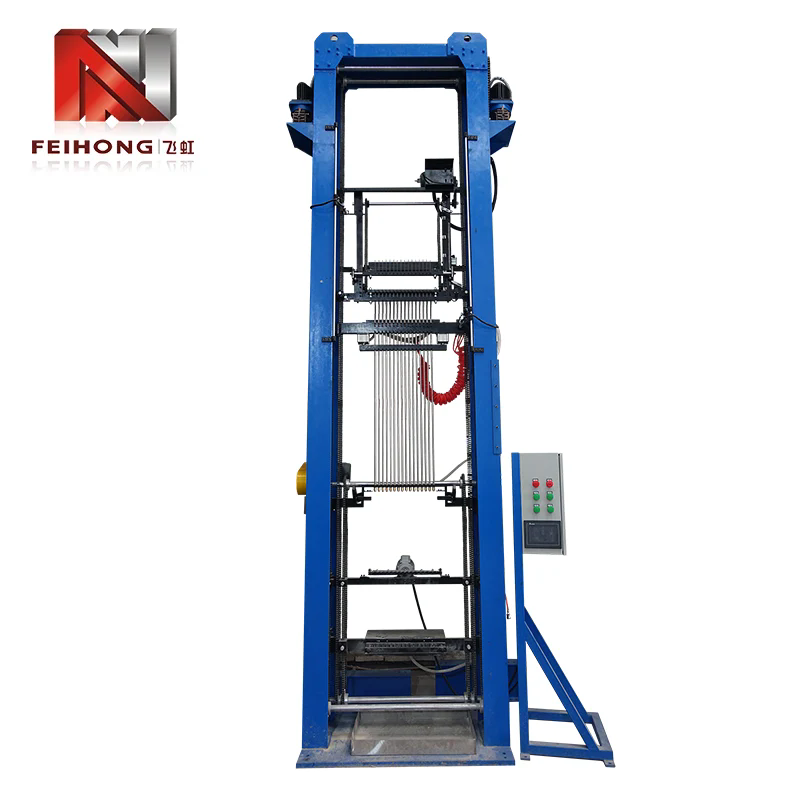
Bending Pipe Straightening Machine


Table of Contents


Introduction and Product Overview

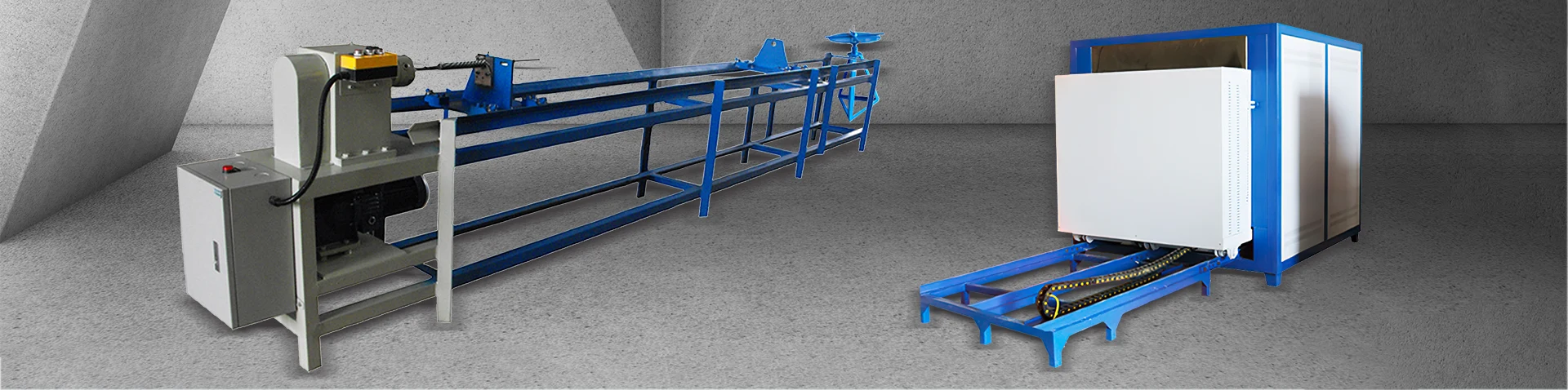
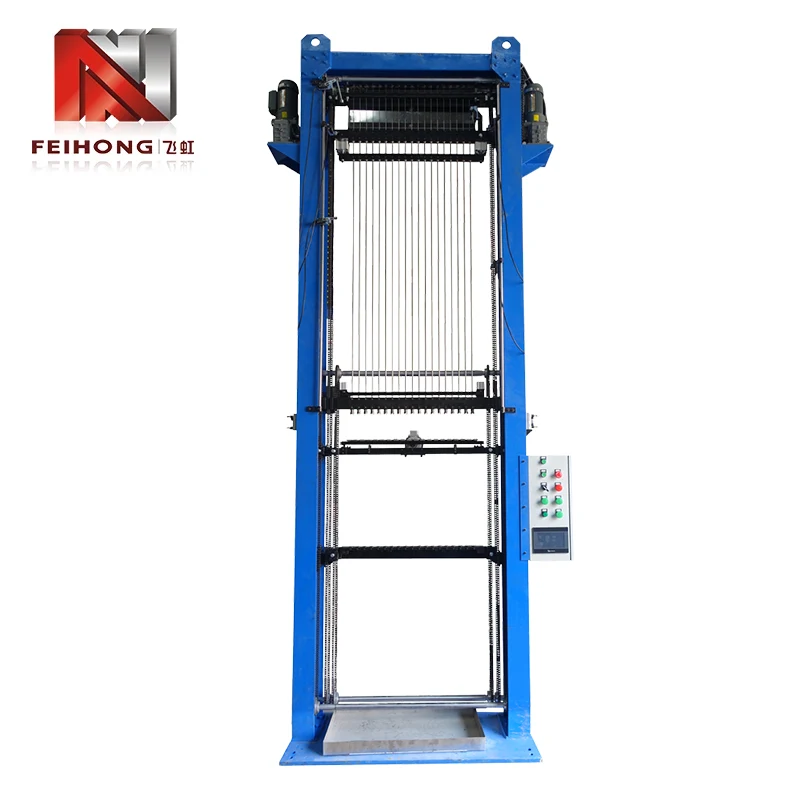
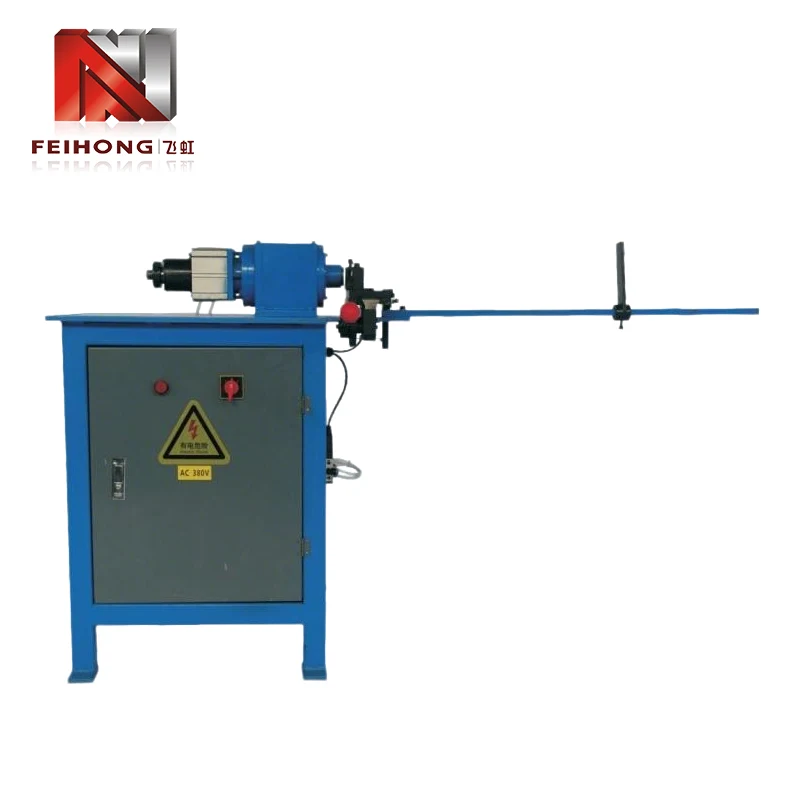
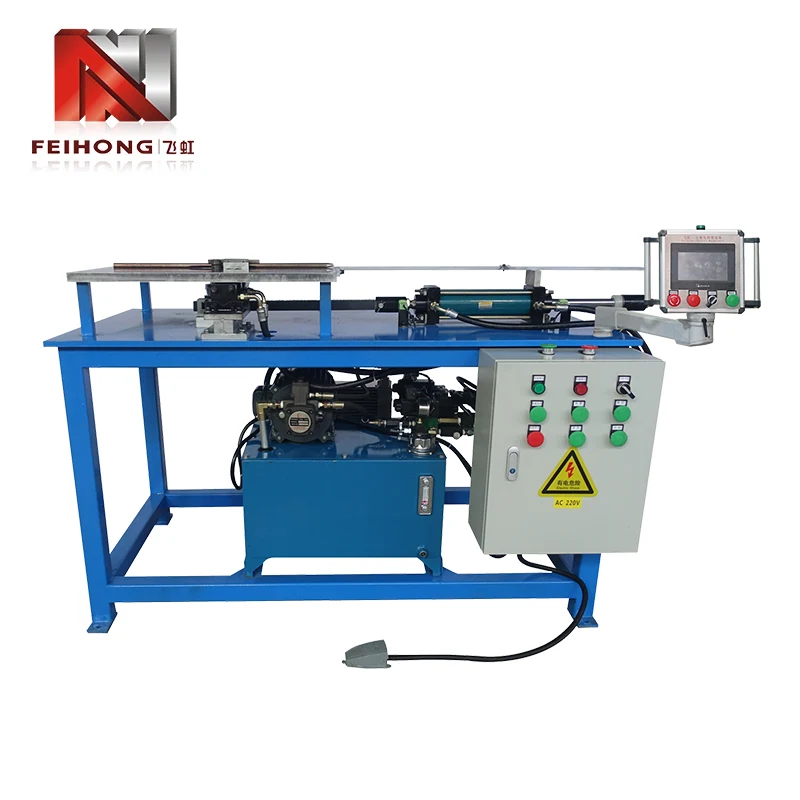
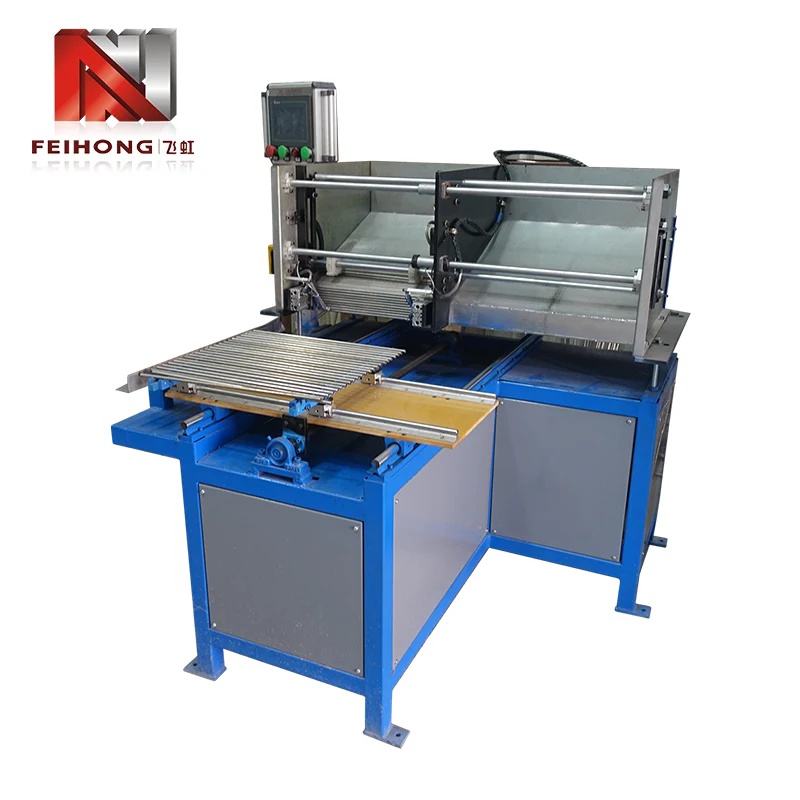
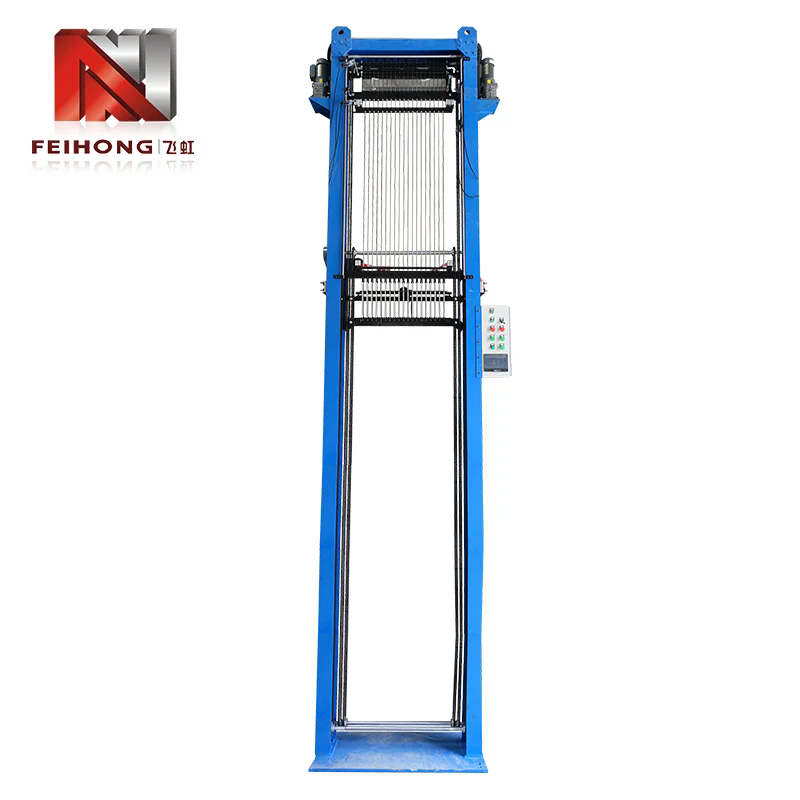
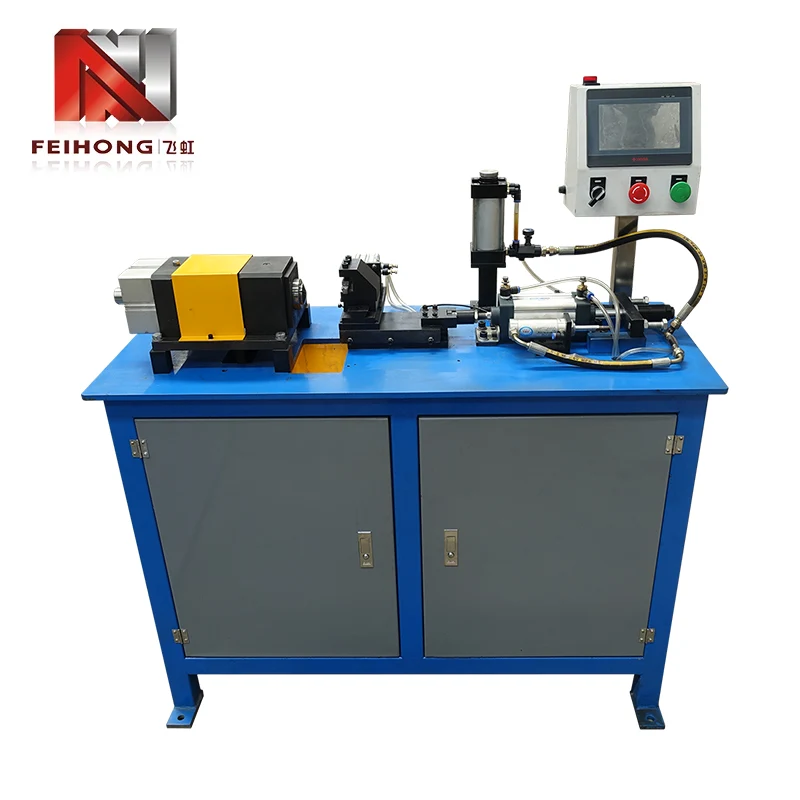
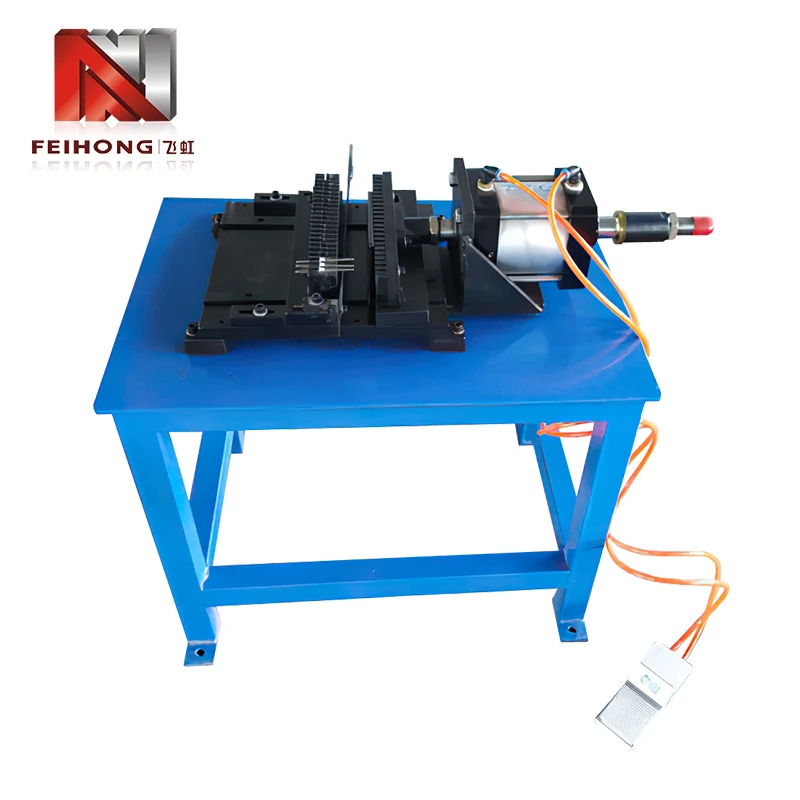
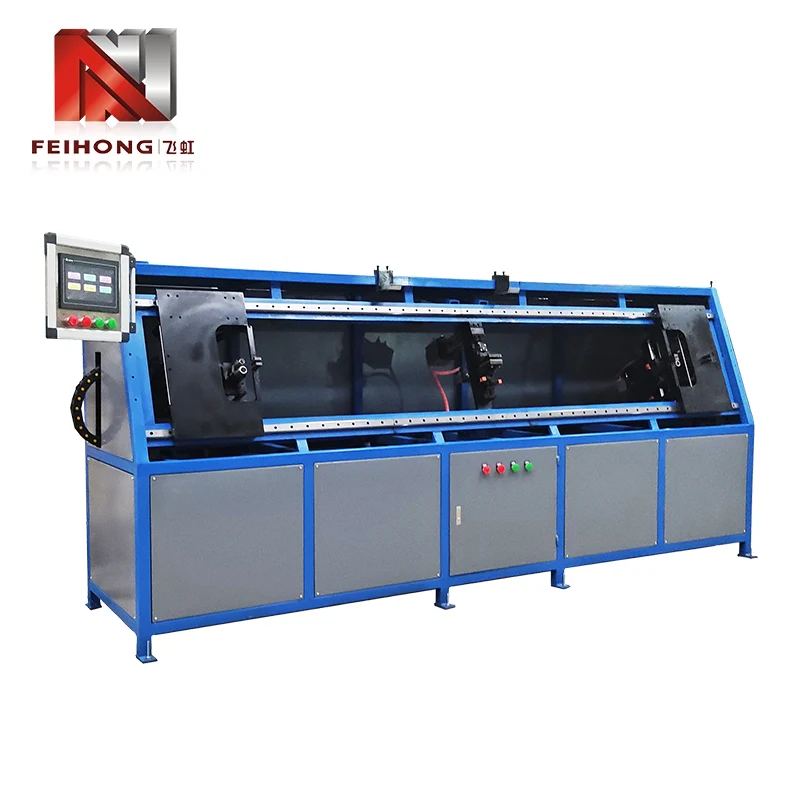
Pipe Straightening Machines are essential industrial tools used to remove bends, curves, and deformations from metal pipes, tubes, and rods. These machines are widely applied in construction, manufacturing, oil and gas, and mechanical engineering sectors. The primary objective of this article is to provide a comprehensive guide on the operational optimization of Pipe Straightening Machines, addressing practical concerns and offering detailed specifications to assist professionals in selecting the right equipment for their applications.

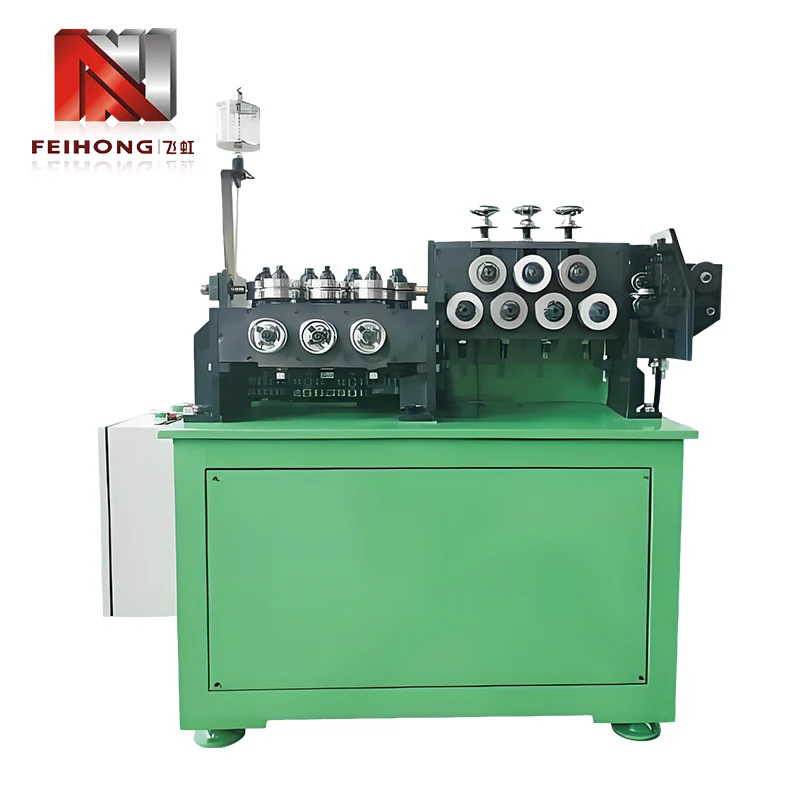
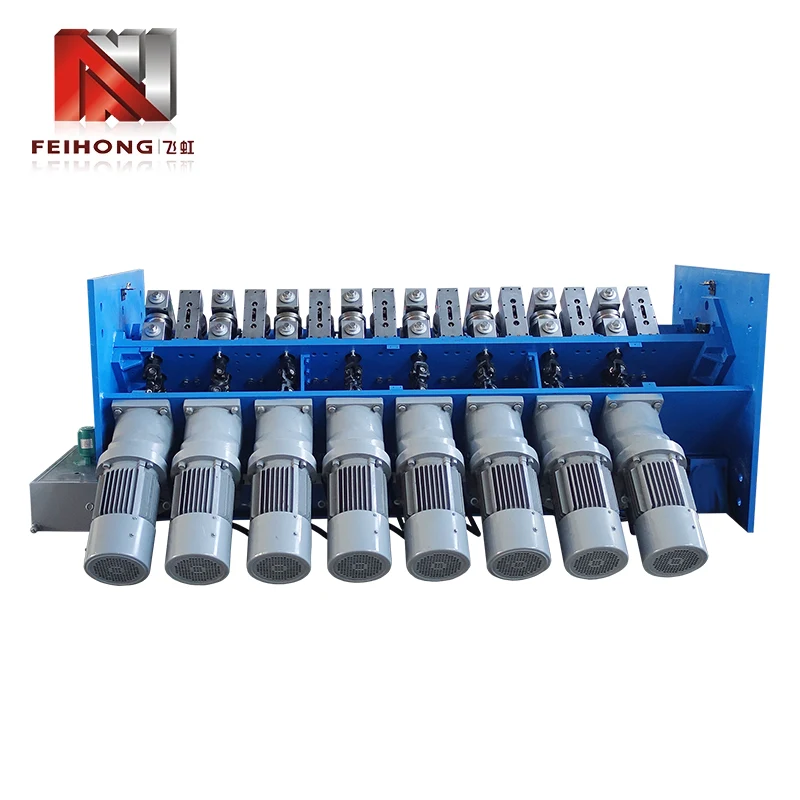
The typical Pipe Straightening Machine functions through a combination of mechanical rollers, hydraulic pressure, and motorized control to correct deviations in pipe alignment. They are designed to handle various pipe diameters and materials, ensuring minimal surface damage while improving production efficiency. Selecting the correct machine requires understanding load capacity, pipe diameter range, operational speed, and precision tolerance.


Pipe Straightening Machine Specifications

For professional evaluation, the following table summarizes the key parameters of a standard industrial Pipe Straightening Machine:

Parameter Specification
Pipe Diameter Range 10mm – 120mm
Maximum Straightening Length 6 meters
Motor Power 5 – 15 kW
Operational Speed 0 – 12 m/min (adjustable)
Straightening Accuracy ±0.5 mm
Roller Material High-strength steel with chrome coating
Hydraulic Pressure Up to 30 MPa
Machine Weight 1,200 – 2,500 kg

These specifications ensure compatibility with different pipe materials, including stainless steel, carbon steel, and aluminum, and allow for consistent straightening performance in demanding industrial environments.


Common FAQs About Pipe Straightening Machines

1. How can I determine the correct Pipe Straightening Machine for my pipe diameter?

The optimal machine selection depends on the minimum and maximum diameter of the pipes used. Machines come with adjustable rollers and hydraulic pressure settings to accommodate a range of diameters. Operators should ensure the chosen model covers the full diameter spectrum without exceeding the maximum weight capacity to maintain precision and safety.

2. How do I maintain the accuracy and longevity of a Pipe Straightening Machine?

Regular maintenance includes cleaning rollers, lubricating moving parts, inspecting hydraulic systems, and calibrating alignment sensors. Frequent checks reduce wear, prevent mechanical failure, and maintain straightening accuracy. Using pipes within specified tolerances and avoiding overloading is crucial for prolonging machine lifespan.

3. How can production efficiency be improved when using a Pipe Straightening Machine?

Efficiency can be enhanced by optimizing feed speed, pre-inspecting pipes for severe bends, and coordinating the machine operation with downstream processes. Automated or semi-automated models with programmable controls can reduce manual handling and ensure uniform straightening, leading to higher throughput without compromising quality.


Optimization Tips and Operational Guidance

Optimizing the performance of a Pipe Straightening Machine requires a combination of technical understanding and practical workflow adjustments:

Node 1: Pre-Processing Evaluation

Before feeding pipes into the machine, conduct a thorough inspection to identify bends, rust, or surface damage. Pipes should be sorted by diameter and material type. Pre-processing ensures the machine applies appropriate force and reduces unnecessary wear on rollers and hydraulic components.

Node 2: Machine Adjustment and Calibration

Calibrate the machine based on pipe diameter, wall thickness, and required straightening precision. Adjust roller spacing and hydraulic pressure to achieve optimal results. Modern machines allow programmable sequences to automate multi-step adjustments, ensuring consistency across large production batches.

Node 3: Monitoring and Real-Time Adjustments

During operation, continuously monitor straightening results using sensors or manual measurements. Address deviations immediately by adjusting roller pressure or feed speed. Monitoring prevents cumulative errors that can compromise straightening quality, especially for long or heavy pipes.

Node 4: Post-Processing and Quality Control

After straightening, inspect pipes for uniformity and residual bending. Maintain detailed records of operational parameters to refine settings for future production runs. Integrating this quality control step ensures compliance with industrial standards and reduces rework costs.


Conclusion and Brand Reference

In summary, Pipe Straightening Machines are indispensable tools in industrial pipe processing. Understanding specifications, maintaining regular machine upkeep, and optimizing operational procedures are critical for achieving precise and efficient straightening outcomes. The Feihong® Pipe Straightening Machine combines advanced mechanical design, robust rollers, and adjustable hydraulic systems to meet diverse industrial requirements. Professionals seeking reliable solutions can contact us to learn more about Feihong® models, receive technical consultation, and discuss tailored industrial applications.

Related News
Leave me a message
X
We use cookies to offer you a better browsing experience, analyze site traffic and personalize content. By using this site, you agree to our use of cookies. Privacy Policy
Reject Accept