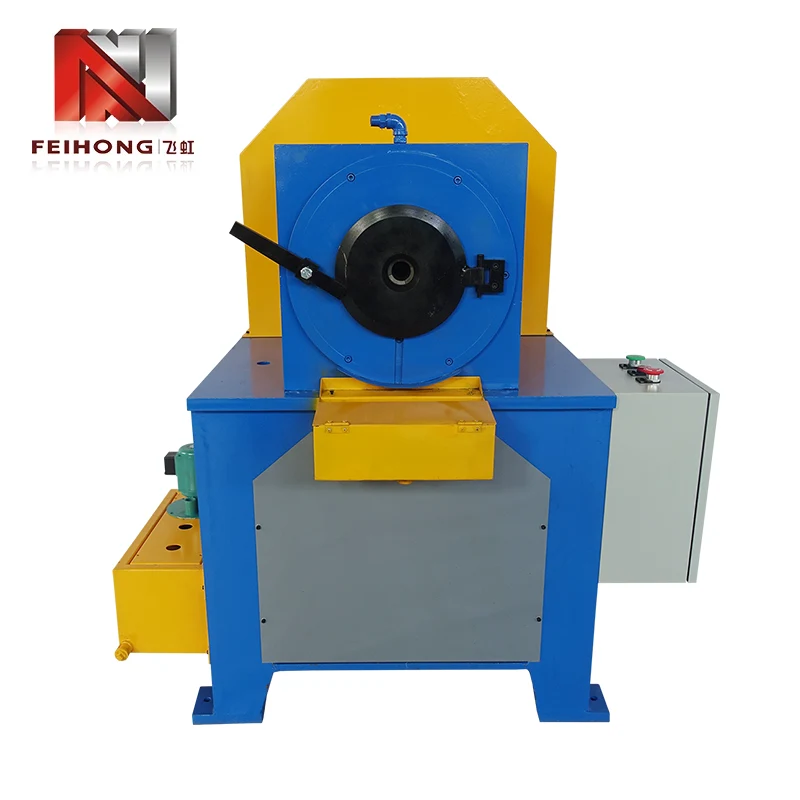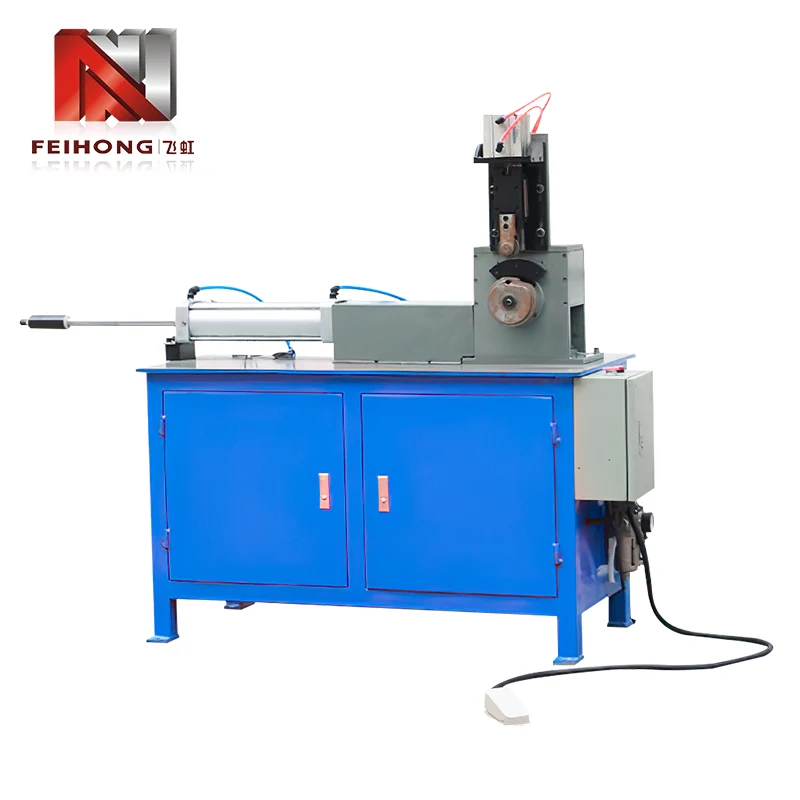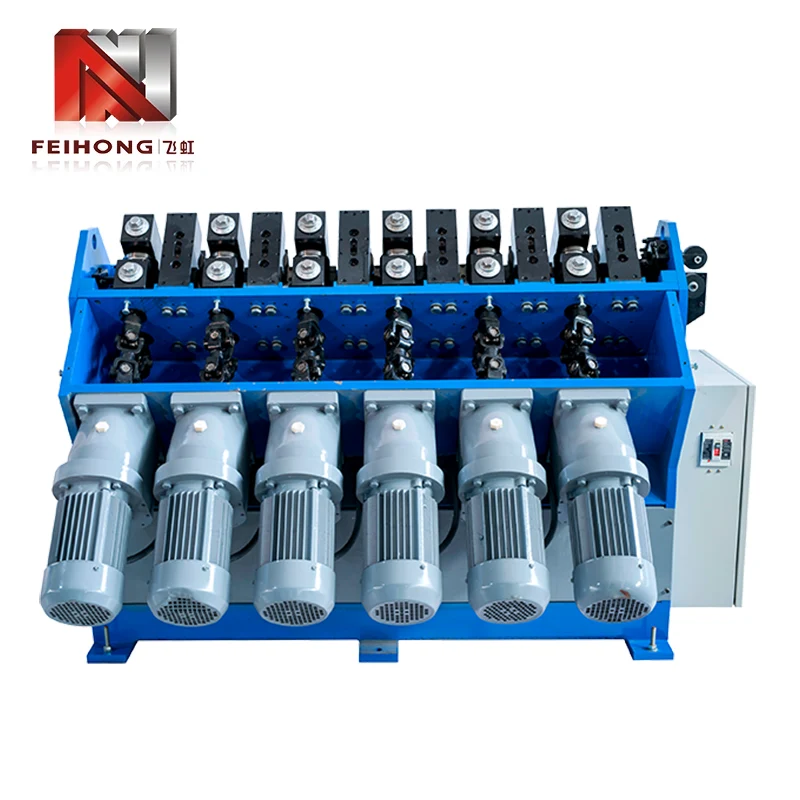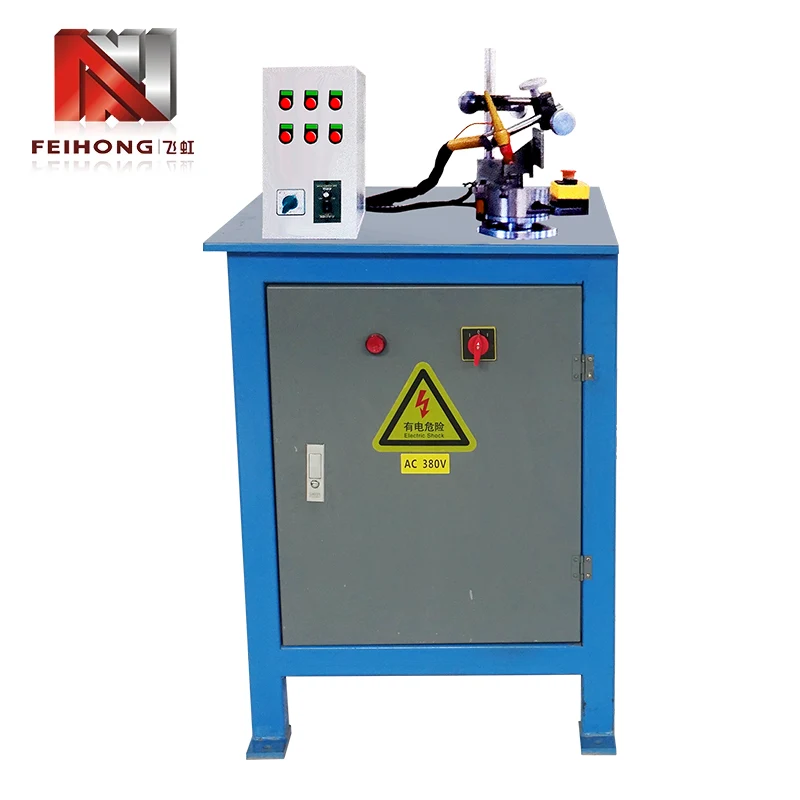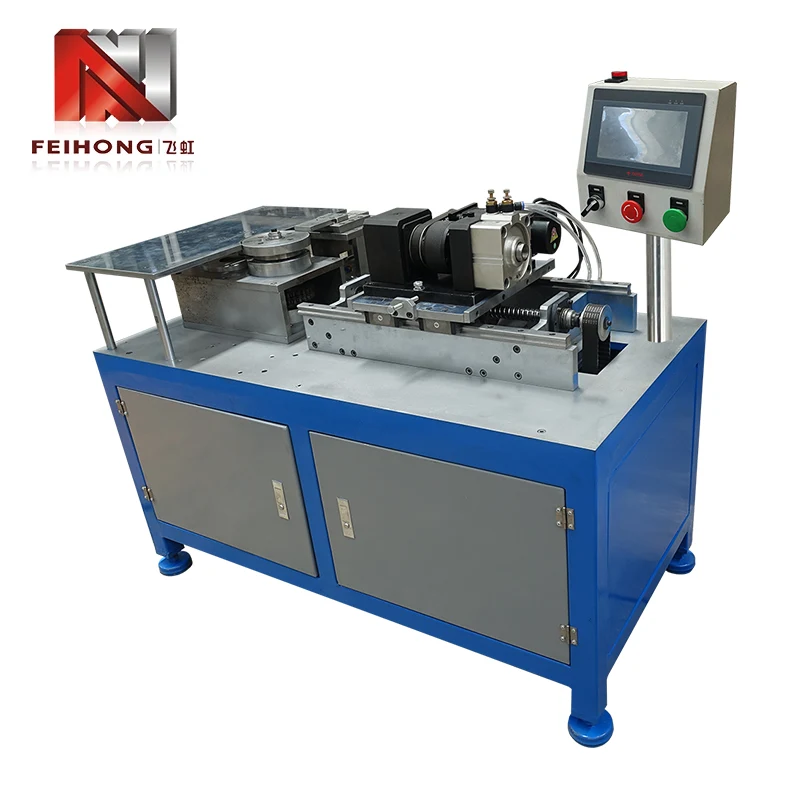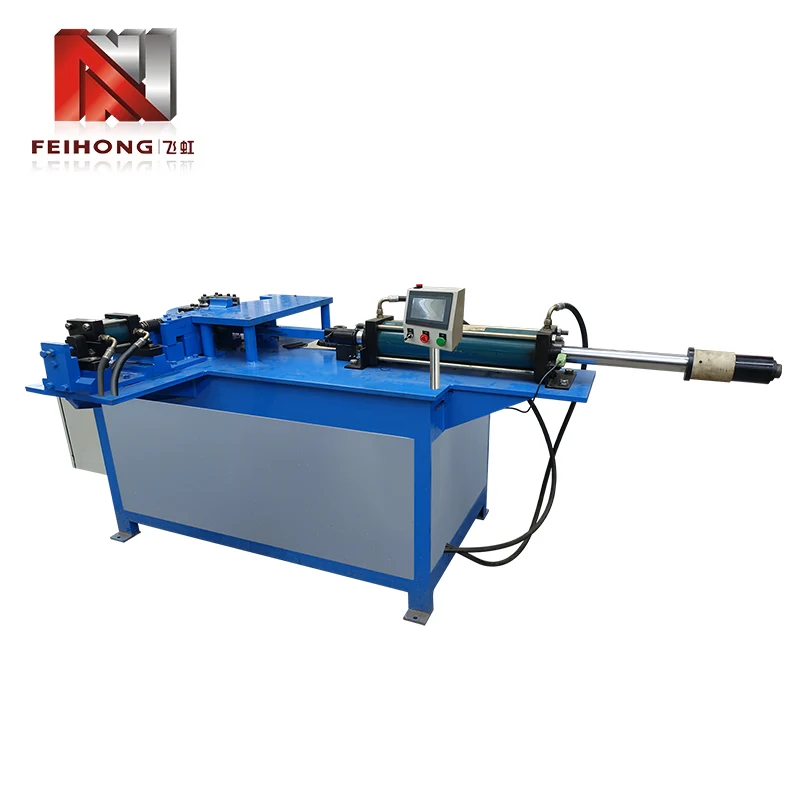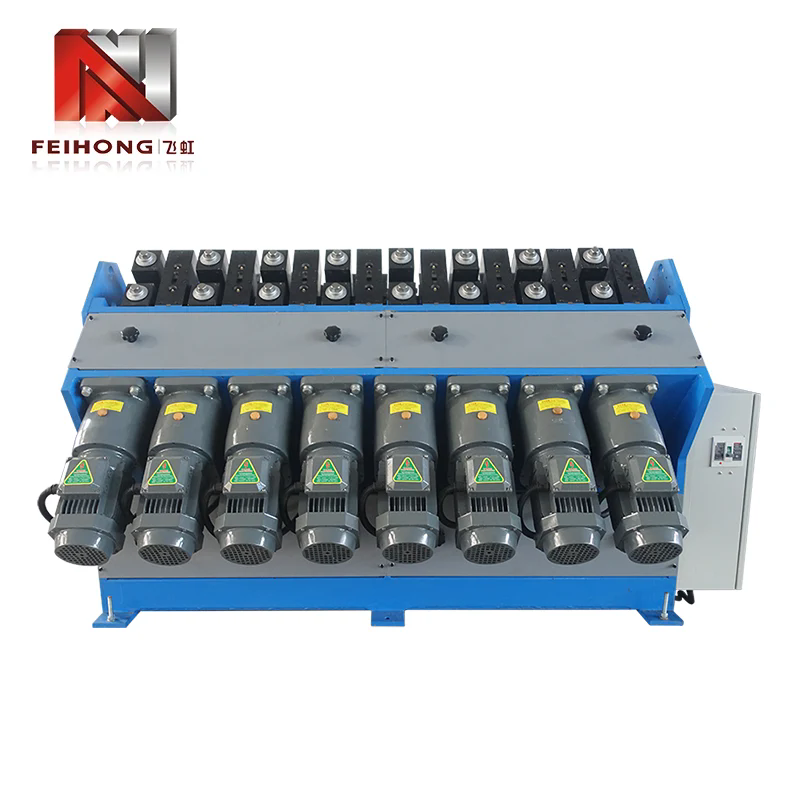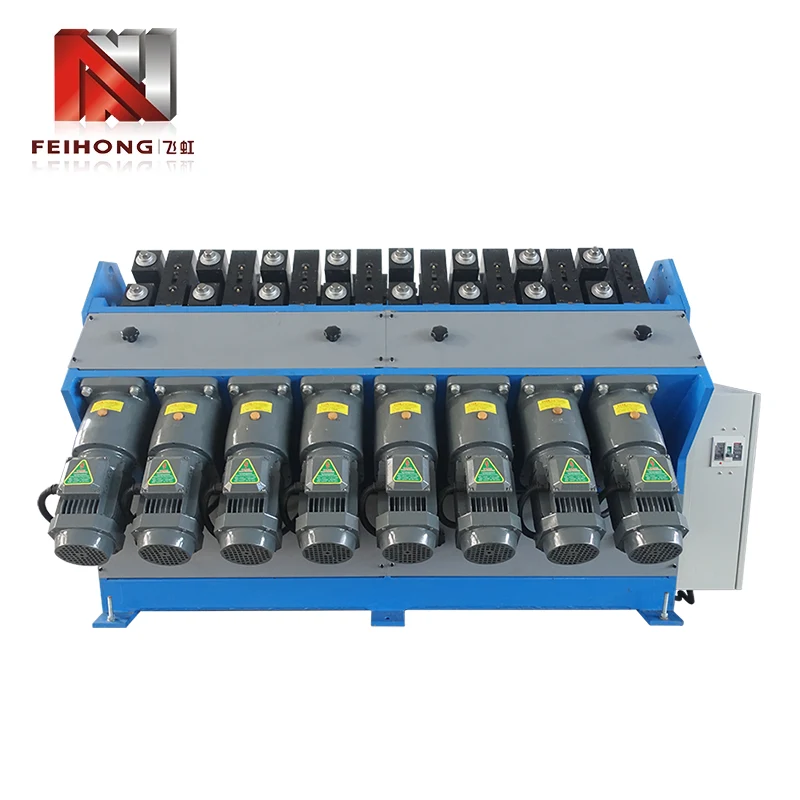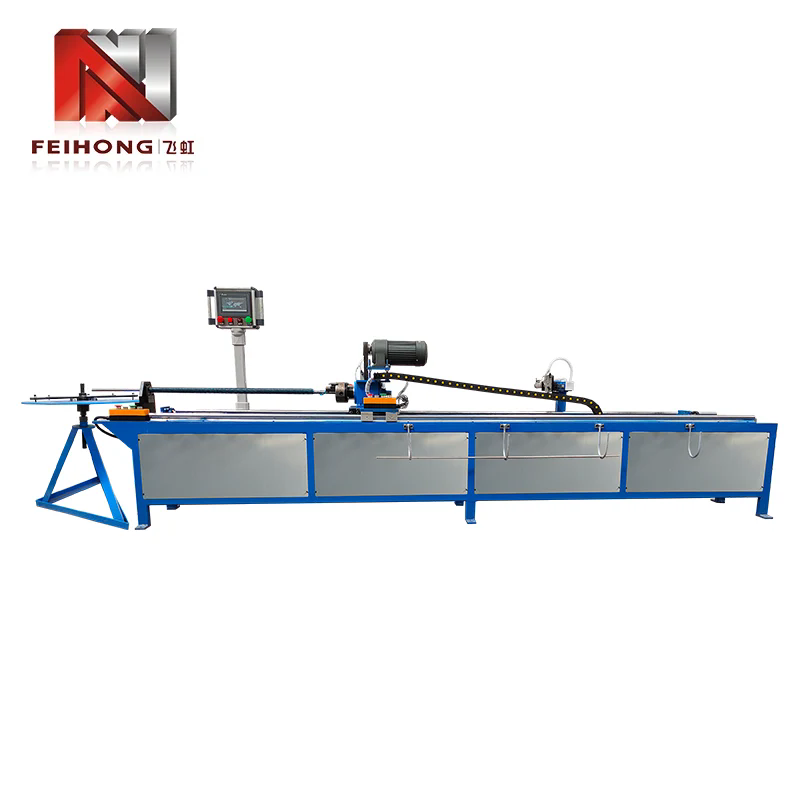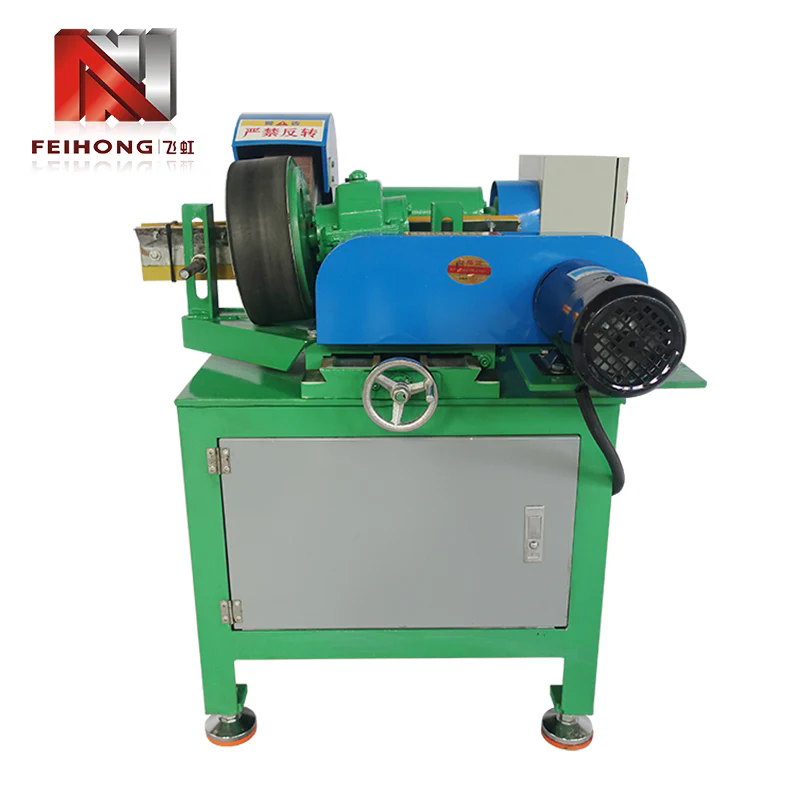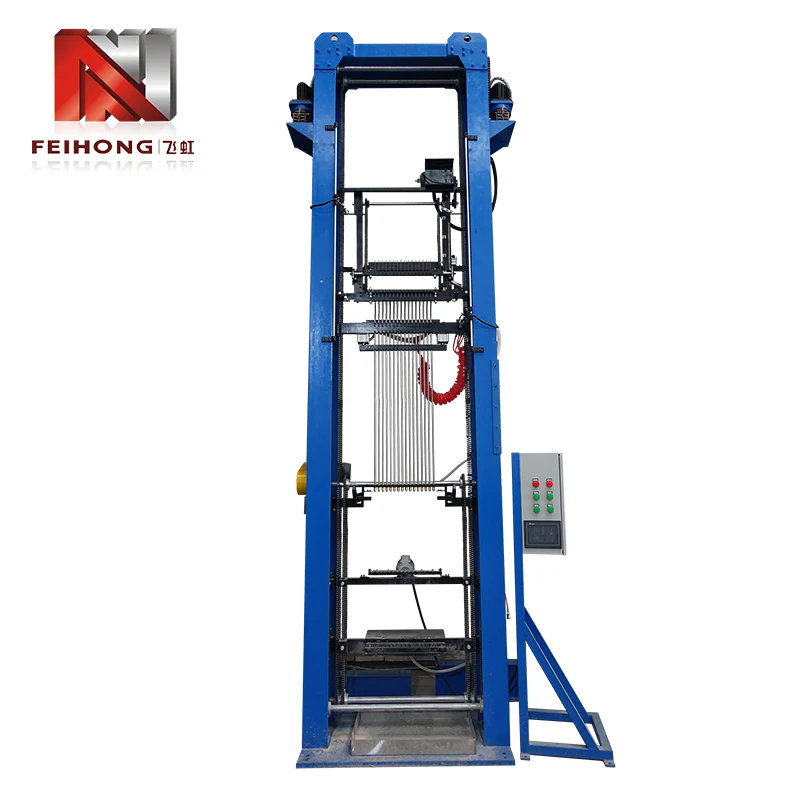
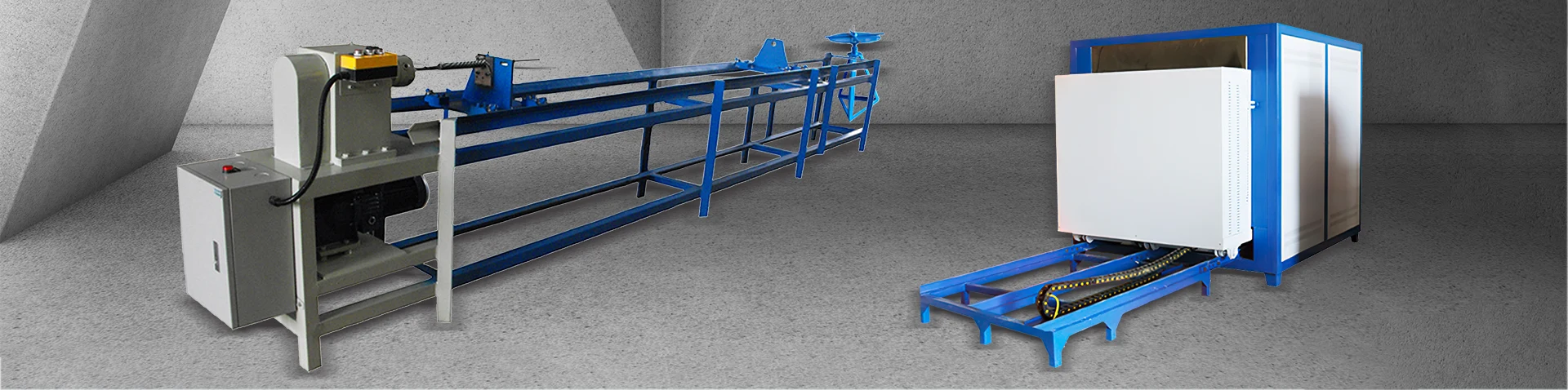
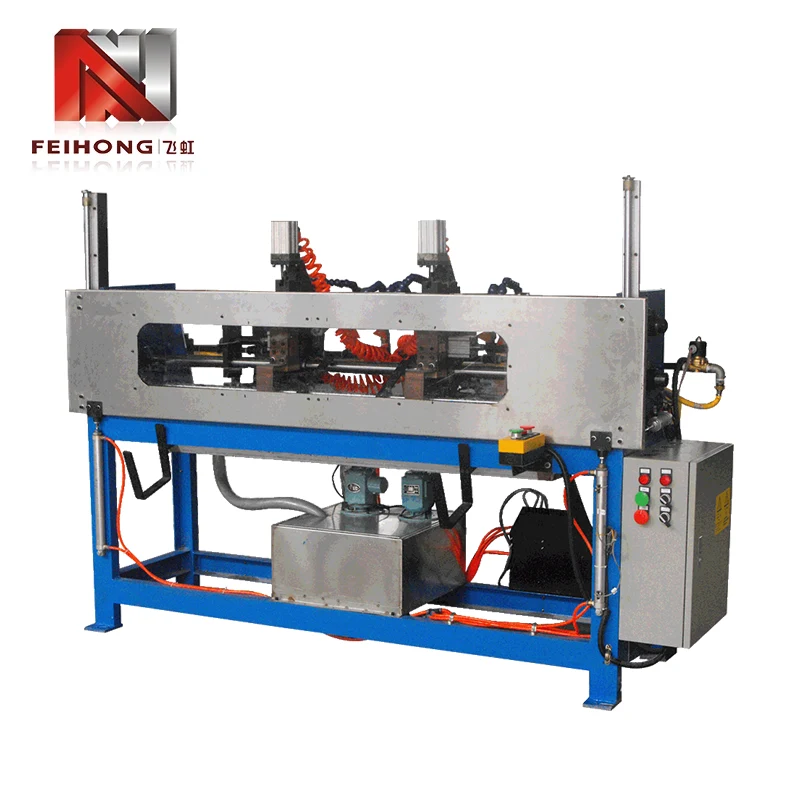
The heating tube softening equipment after shrinking process plays a decisive role in tubular heater production by restoring ductility to metal sheaths that have been work-hardened during diameter reduction. This article explains the metallurgical principles behind short-circuit annealing, compares different softening technologies, outlines process parameters, and examines how proper softening affects bending accuracy and final product reliability.
▸ Table of Contents — Click any topic to jump directly
Why Softening Is Necessary After Shrinking
Tubular heating elements begin as straight metal sheaths filled with compacted magnesium oxide and a resistive wire. To achieve the required diameter tolerance and to densify the MgO insulation, the tube passes through a roll-reducing or swaging process that compresses its cross-section. This cold working dramatically improves insulation density and thermal conductivity, but it also introduces internal stress and reduces the metal's ductility.
A tube that has been reduced in diameter without subsequent softening becomes brittle. Attempting to bend it into a U-shape, a hairpin, or a custom geometry will produce cracking, wall thinning, or complete fracture at the bend zone. The heating tube softening equipment after shrinking process exists to reverse this condition—restoring enough flexibility for downstream bending while relieving residual stress that would otherwise lead to premature failure in service.
After Shrinking
The tube is work-hardened, stressed, and dimensionally stable but too brittle for bending.
After Softening
The tube regains ductility, internal stress is relieved, and the material is ready for forming operations.
The Working Principle of Short-Circuit Annealing
The dominant technology for this application is short-circuit annealing, sometimes called resistance annealing. The principle is straightforward: the heating tube itself acts as the resistive load in an electrical circuit. A dry-type transformer delivers low-voltage, high-current electricity through pneumatic clamping electrodes positioned at both ends of the tube.
The tube's natural electrical resistance converts the current into heat. Because the current flows through the entire tube body, heating is rapid and volumetric rather than surface-limited. The tube reaches annealing temperature in seconds, and when the current is switched off, the material cools according to the programmed cycle—either through natural air cooling or with an integrated water shower system.
This method offers several advantages over conventional furnace annealing. Heating is confined to the tube itself, so energy consumption is lower. Cycle times are measured in seconds rather than hours. And because the tube is heated uniformly along its length, the resulting material properties are consistent from end to end.
- The tube functions as its own heating element, eliminating external heat sources
- Pneumatic clamping ensures reliable electrical contact across production runs
- Dry-type transformers provide stable current output without oil cooling
- Optional shower cooling accelerates the cycle and improves surface finish
- Short cycle times support inline integration with other production equipment
Types of Softening Equipment and Their Differences
Several equipment configurations exist for heating tube softening, each suited to different production volumes and tube specifications. Understanding the distinctions helps manufacturers select the appropriate system for their operation.
| Equipment Type | Heating Method | Cooling Method | Best For |
|---|---|---|---|
| Standard Short-Circuit Annealer | Direct resistance heating | Natural air cooling | Small to medium tube diameters |
| Short-Circuit with Shower Cooling | Direct resistance heating | Automatic water spray | Higher throughput, tighter surface finish |
| High-Frequency Induction Annealer | Induction heating | Controlled atmosphere or air | Large-diameter tubes, high-density components |
| Furnace Annealing System | Convection or radiation | Batch cooling | Low-volume, high-variety production |
Short-Circuit vs. Induction Annealing
Short-circuit annealing is the preferred method for most tubular heater applications because it heats the entire tube uniformly and integrates easily into production lines. Induction annealing, by contrast, concentrates heat at the surface and is typically reserved for larger diameter tubes or components where the bend zone is localized.
Furnace annealing remains relevant for batch processing, but its long cycle times and higher energy consumption make it less efficient for continuous production environments. The decision between these approaches depends on tube dimensions, production volume, and the specific metallurgical requirements of the end product.
Key Process Parameters That Determine Results
The quality of the softened tube depends on precise control of several process variables. Each parameter influences the final material properties, and deviations from optimal settings produce measurable defects.
- Current density: Too little current fails to reach annealing temperature; too much current can cause localized overheating or surface melting.
- Heating time: Determines how deeply the tube reaches temperature and how uniformly the cross-section is treated.
- Cooling rate: Affects grain structure and final hardness. Shower cooling produces a different microstructure than natural air cooling.
- Electrode contact quality: Poor contact creates resistance at the clamping point, leading to uneven heating and potential arcing.
- Tube diameter and wall thickness: Larger, thicker tubes require higher current and longer heating times to achieve the same result.
For tubes that can no longer be compressed within a certain range through conventional roll reduction, high-frequency annealing equipment becomes mandatory to soften the product sufficiently for downstream handling. The choice of softening method should always match the specific dimensional and material characteristics of the tube being processed.
Where Softened Tubes Are Used
The softening step is not an end in itself—it enables the forming operations that define the final heater geometry. The following applications depend on properly softened tubes to achieve their required shapes without cracking or deformation.
- Hairpin and U-shaped heating elements for water heaters and defrost systems
- Coiled and spiral elements for immersion heating applications
- Custom bent geometries for commercial ovens and industrial process heating
- Bend zones in tubular heaters for air conditioners and refrigeration equipment
- Formed elements for laboratory and medical heating devices
In each of these applications, the softening process determines whether the tube can be bent to the required radius without failure. A tube that has been correctly annealed will form cleanly, maintain wall thickness through the bend, and resist cracking during subsequent assembly and thermal cycling.
Quality Indicators After Softening
Evaluating the results of the softening process requires attention to both metallurgical and dimensional characteristics. The following indicators provide a practical framework for quality assessment.
| Indicator | What to Check | Expected Result |
|---|---|---|
| Surface appearance | Oxidation, discolouration, or scale formation | Minimal surface oxide, uniform colour |
| Bend ductility | Cracking or fracture during trial bending | Clean bend without cracks or wall thinning |
| Hardness | Resistance to indentation after cooling | Reduced hardness compared to pre-annealed state |
| Straightness | Distortion or bowing along the tube length | Maintained straightness within tolerance |
| Electrical continuity | Resistance reading across the tube | Consistent resistance, no open or short circuits |
| Wall thickness | Measurement at bend zone after forming | Uniform thickness, no localized thinning |
These checks can be performed at the equipment itself or at a downstream inspection station, depending on the production layout. Regular verification ensures that process parameters remain within specification and that the heating tube softening equipment after shrinking process continues to deliver consistent results across production runs.
Frequently Asked Questions
What is the purpose of softening a heating tube after the shrinking process?
The shrinking process—whether roll reduction or swaging—work-hardens the tube material and introduces internal stress. Softening restores ductility so the tube can be bent without cracking, and it relieves residual stress that could cause premature failure during thermal cycling in service.
How does short-circuit annealing differ from conventional furnace annealing?
Short-circuit annealing passes electrical current directly through the tube, heating it volumetrically in seconds. Furnace annealing heats the tube externally in a batch process that takes hours. Short-circuit annealing is faster, more energy-efficient, and integrates more easily into continuous production lines.
When is high-frequency induction annealing preferred over short-circuit annealing?
Induction annealing is typically used for large-diameter tubes and high-density components where localized heating at the bend zone is required. For standard tubular heater production, short-circuit annealing remains the more common and efficient choice because it heats the entire tube uniformly.
What happens if the tube is not properly softened before bending?
An improperly softened tube will crack, fracture, or experience wall thinning at the bend zone. Even if the bend appears successful initially, residual stress can cause delayed cracking during assembly or after the heater enters service, leading to electrical failure and potential safety hazards.
How do I determine the correct current and heating time for my tube specification?
The correct parameters depend on tube material, diameter, wall thickness, and the degree of cold work introduced during shrinking. Most equipment suppliers provide parameter guidelines based on these variables, and trial runs with subsequent bend testing are recommended to establish optimal settings for each product configuration.
For manufacturers producing tubular heating elements at scale, the heating tube softening equipment after shrinking process is not an optional accessory—it is a necessary step that determines whether the tube can be formed into its final geometry without defects. Selecting equipment that matches the tube dimensions and production volume, and maintaining precise control over process parameters, ensures consistent results across every production run.
Zhaoqing City Fei Hong Machinery & Electrical Co., Ltd. manufactures a complete range of tubular heater production equipment, including tube making machines, roll reducing mills, MgO filling systems, and heat treatment equipment for the electric heating element industry.