News

How Does a Wire Winding Machine Improve Manufacturing Efficiency?

2026-02-28 0 Leave me a message

Article Summary

Wire winding machines play an essential role in many manufacturing processes, particularly in the production of transformers, motors, and electrical coils. These machines are designed to automate the winding of wire onto spools, improving both the speed and precision of the manufacturing process. In this article, we explore how wire winding machines work, their benefits, common issues customers face, and how selecting the right machine can optimize production. We also highlight how Feihong’s wire winding machines are helping businesses achieve consistent, high-quality results.

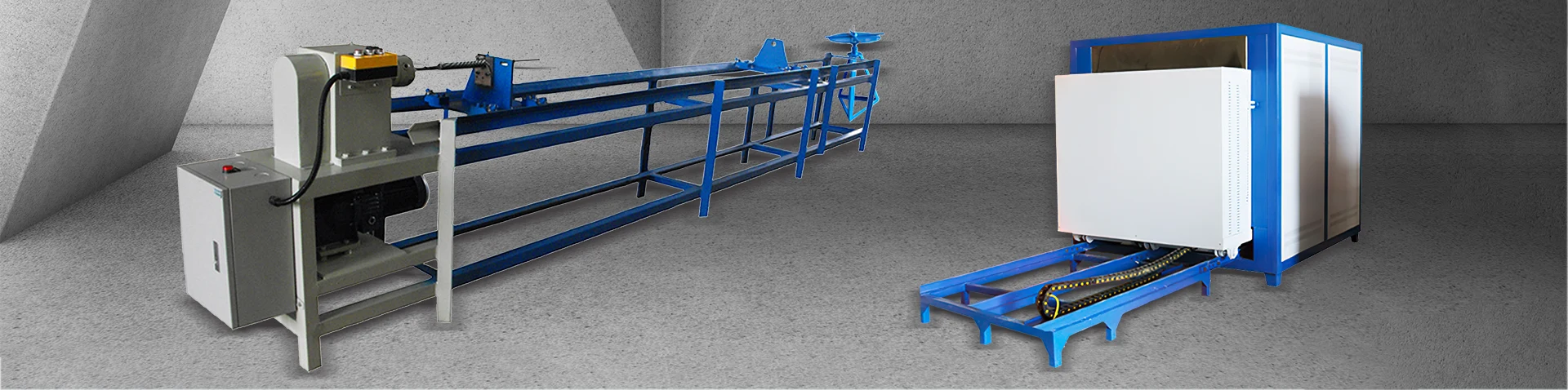
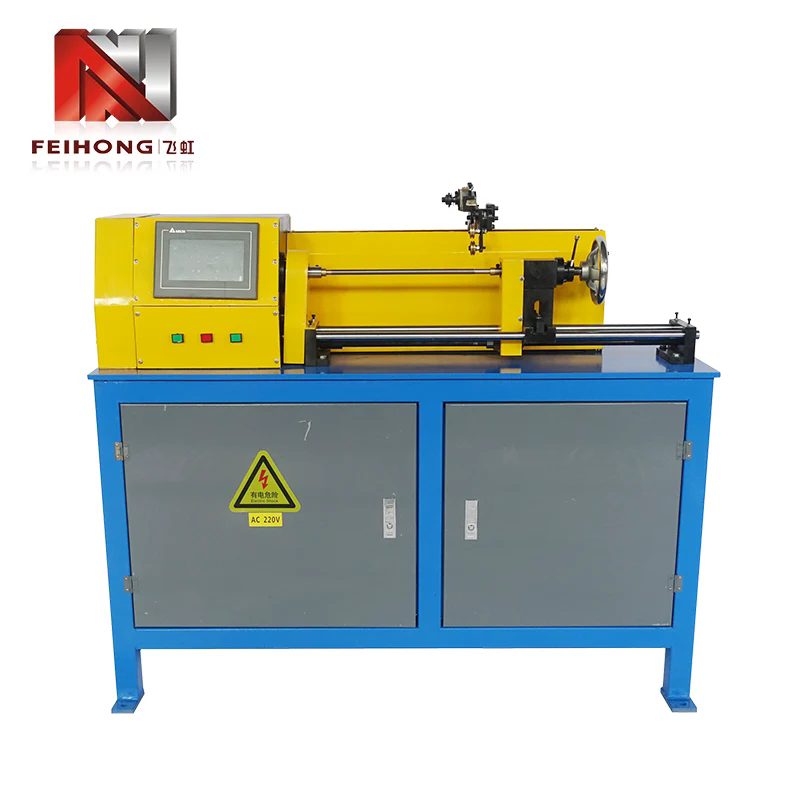
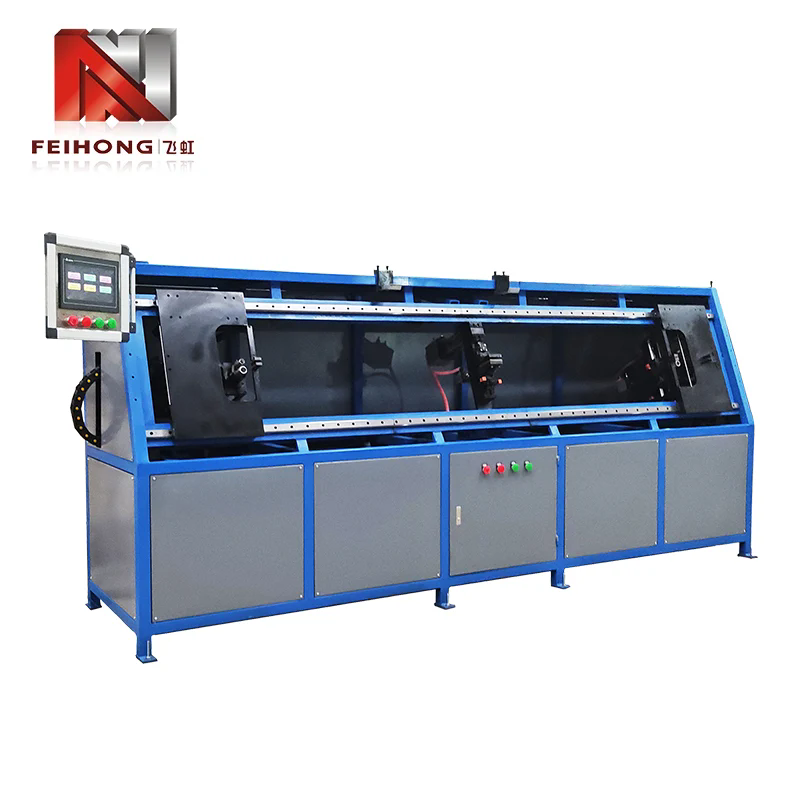
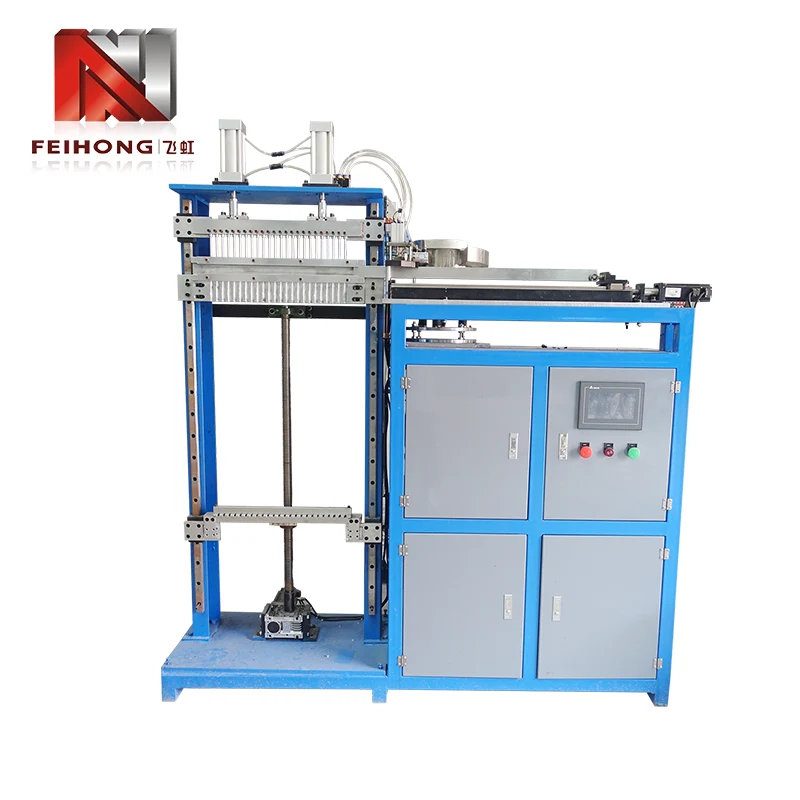
Magnesium Rod Mica Sheet Winding Machine

Table of Contents


Wire Winding Machine Overview

Wire winding machines are specialized tools designed to automate the process of winding wire onto spools or drums. These machines are crucial in industries such as electrical manufacturing, automotive, and aerospace, where precision and speed are paramount. They help improve the efficiency of coil manufacturing, ensuring uniformity and consistency in products.

Feihong is a leading provider of wire winding machines, offering high-quality solutions for companies looking to streamline their production lines and enhance their manufacturing capabilities.


Common Challenges in Wire Winding

Manufacturers often face several challenges when using wire winding machines, many of which can impact product quality and production efficiency. Below are some of the most common issues:

  • Inconsistent Winding: Poor winding techniques can lead to uneven wire layers, affecting the overall quality and performance of the final product.
  • Wire Tension: Incorrect wire tension can lead to wire breakage or improper winding, causing defects.
  • Material Waste: Improper setup and machine calibration can result in material wastage, raising production costs.
  • Slow Production Speed: Manual winding or outdated machinery can significantly reduce manufacturing efficiency, leading to delays.

Feihong’s advanced machines address these pain points by offering precise control over wire tension, speed, and consistency, ensuring optimal results with minimal waste.


How Wire Winding Machines Work

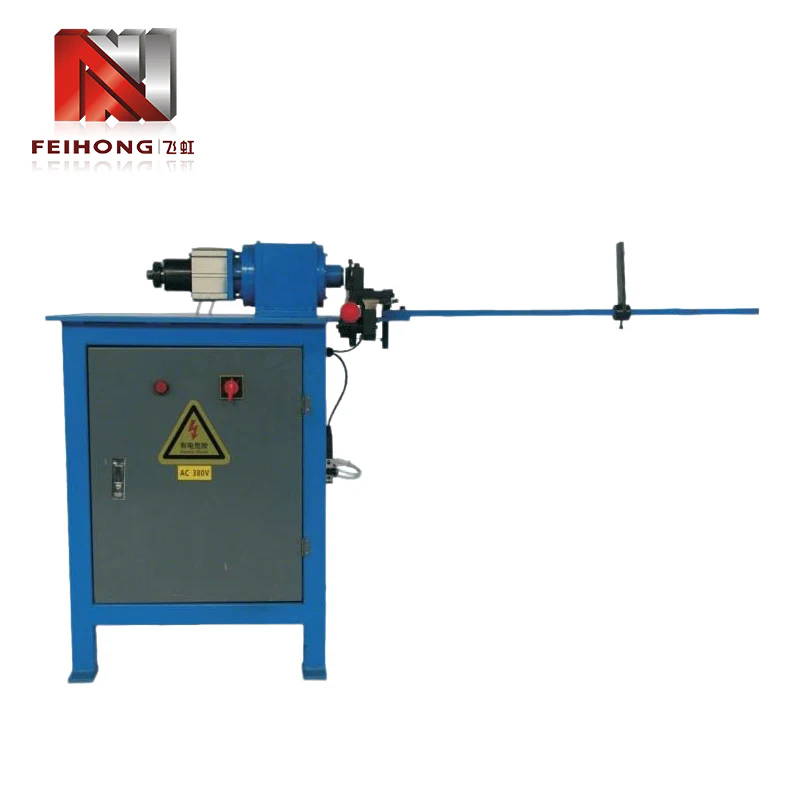
Wire winding machines operate using a combination of mechanical and electronic systems that control the movement of the wire and the rotation of the spool or drum. These machines are equipped with features that ensure accurate, efficient winding:

  • Spool Rotation: The spool is rotated at a precise speed, allowing for even distribution of wire.
  • Wire Feeding: The wire is fed into the machine from a spool or coil, and it is drawn into the winding area with controlled tension.
  • Electronic Controls: Modern wire winding machines feature advanced electronic controls that allow operators to adjust parameters like winding speed, tension, and wire feed rate.
  • Automatic Cut-off: Some machines feature an automatic cut-off system that ensures precise lengths of wire are wound onto the spool.

These features ensure that the wire is wound uniformly, which is critical for applications that require high precision, such as in transformers or motors. Feihong’s wire winding machines utilize cutting-edge technology to offer reliability and efficiency in every operation.


Choosing the Right Wire Winding Machine

Selecting the right wire winding machine depends on several factors. Here are some key considerations to guide your choice:

  • Application: Consider the type of wire you will be using and the final product’s requirements. Some machines are designed specifically for copper or aluminum wire, while others can handle a wider range of materials.
  • Production Speed: Choose a machine with an optimal production speed that matches your manufacturing needs. Higher-speed machines are ideal for large-scale operations, while slower machines may be sufficient for smaller batches.
  • Precision: Look for machines with adjustable controls for wire tension, feed rate, and spool rotation to ensure high-quality results.
  • Automation: Consider whether you need a fully automated machine or one that requires manual intervention for certain tasks.

Feihong offers a wide range of wire winding machines designed to meet the unique needs of various industries. From high-speed production to precise, small-scale applications, Feihong’s solutions are customizable and efficient.


Factors Affecting Performance

The performance of a wire winding machine depends on several variables. Here are the key factors that affect machine performance and output:

  • Wire Material: Different materials may require different handling techniques and machine configurations.
  • Machine Calibration: Proper calibration ensures that the wire is wound evenly and with the correct tension.
  • Operator Expertise: Skilled operators can optimize machine settings and maintain the machine for consistent performance.
  • Environmental Conditions: Temperature, humidity, and dust can impact the machine’s operation and the quality of the wound wire.

By understanding these factors and choosing the right equipment, businesses can improve their wire winding efficiency and product quality. Feihong’s wire winding machines are designed with these factors in mind, ensuring optimal performance in all conditions.


Wire Winding Machine Comparison

Machine Type Best Suited For Key Features Speed
Manual Winding Machine Small-scale production Simple operation, low cost Slow
Automatic Winding Machine Medium to large-scale production High-speed winding, precise tension control Fast
Fully Automated Winding Machine High-volume production Fully automated process, minimal operator intervention Very fast

Maintenance and Longevity

To ensure long-lasting performance, regular maintenance is crucial for wire winding machines. Here are a few maintenance tips to prolong the machine’s life:

  • Regular Lubrication: Keep moving parts properly lubricated to prevent friction and wear.
  • Calibration Checks: Regularly check machine calibration to maintain precision and consistency.
  • Cleanliness: Ensure that the machine and its components are kept clean to prevent dust and debris buildup.
  • Component Replacement: Replace worn-out components, such as bearings or belts, to avoid costly repairs.

Feihong’s wire winding machines are built to last and come with user-friendly maintenance instructions to ensure reliable operation over time.


Frequently Asked Questions

How long does it take to wind wire using a machine?
The time depends on the machine’s speed, the type of wire, and the desired coil size. Automatic machines can significantly reduce winding time.

Can wire winding machines handle different types of wire?
Yes, many modern wire winding machines can handle various wire materials, including copper, aluminum, and steel.

Are Feihong wire winding machines customizable?
Yes, Feihong offers customizable options to meet the specific needs of your production line, including different speed settings and tension controls.


Conclusion and Contact Us

Wire winding machines are essential for improving the efficiency and quality of manufacturing processes in industries requiring precision wire coils. With the right machine, businesses can streamline operations, reduce waste, and produce high.

Feihong is committed to delivering durable and precise wire winding machine solutions for global manufacturers. If you are planning to upgrade your production line or require technical consultation, contact us today to learn how Feihong can support your manufacturing goals.


Related News
Leave me a message
X
We use cookies to offer you a better browsing experience, analyze site traffic and personalize content. By using this site, you agree to our use of cookies. Privacy Policy
Reject Accept