News

How Does a Pipe Feeder Improve Material Handling Efficiency?

2026-01-26 0 Leave me a message

Article Abstract

A Pipe Feeder is a critical component in modern industrial material handling systems, designed to ensure uniform and controlled feeding of bulk materials. This article explores the operational principles, structural designs, technical specifications, and practical applications of Pipe Feeders. It provides industry professionals with insights on optimizing feeding efficiency, minimizing material wastage, and ensuring smooth production line integration. Detailed technical parameters, installation considerations are also included to support informed decision-making.

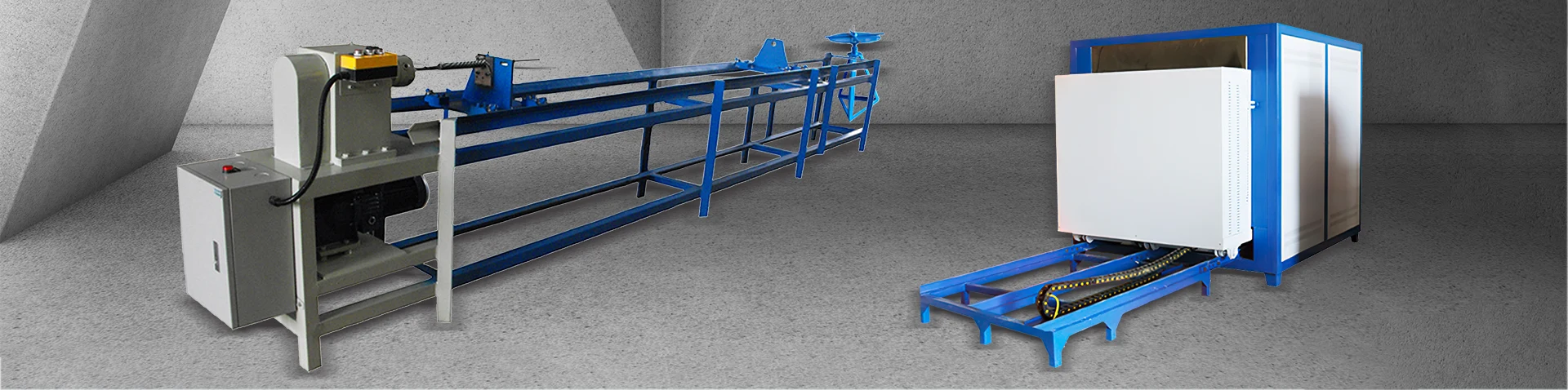
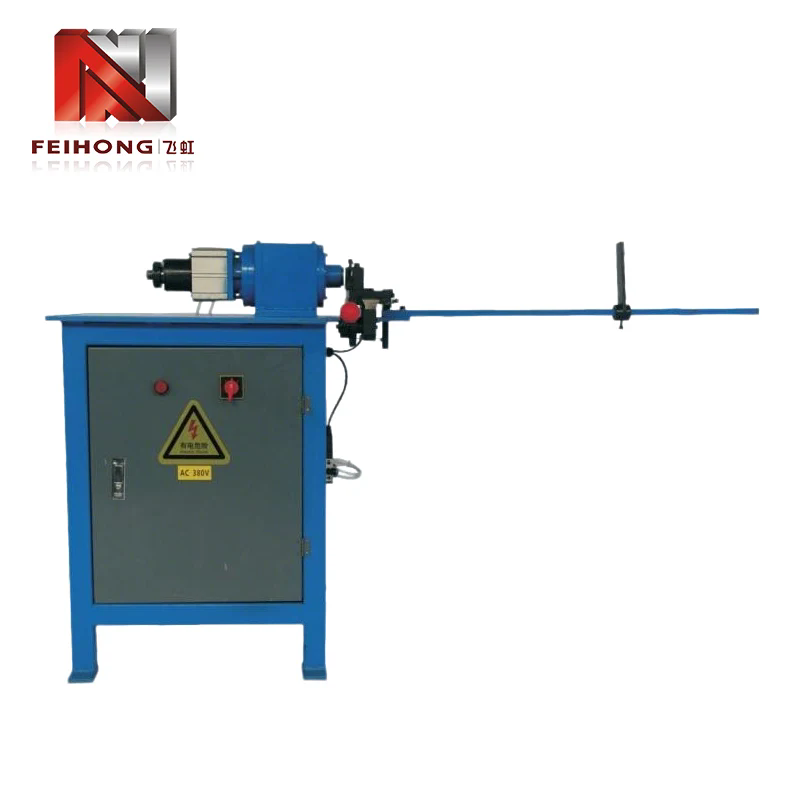
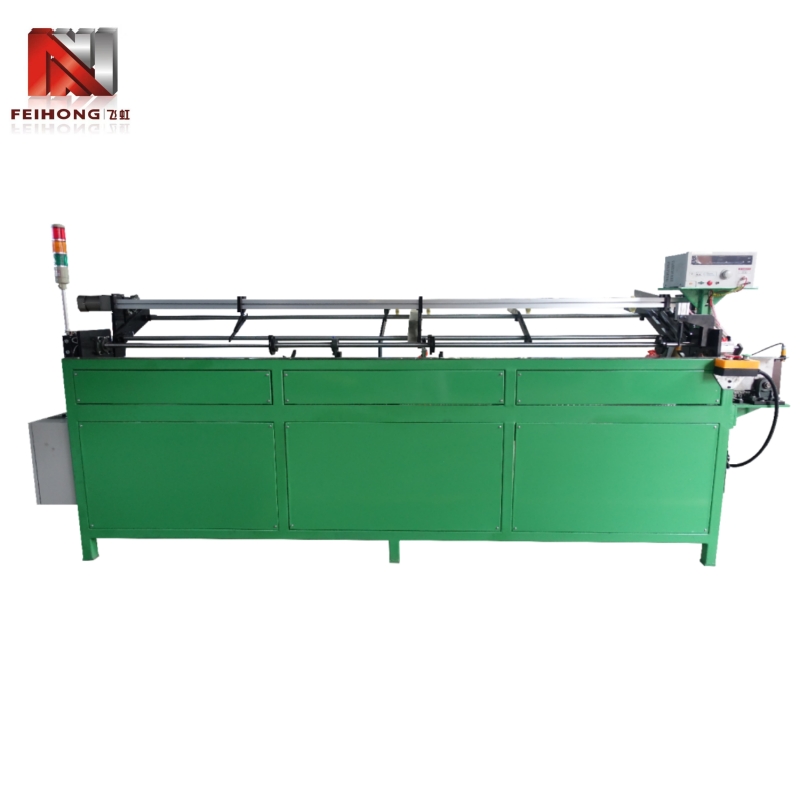
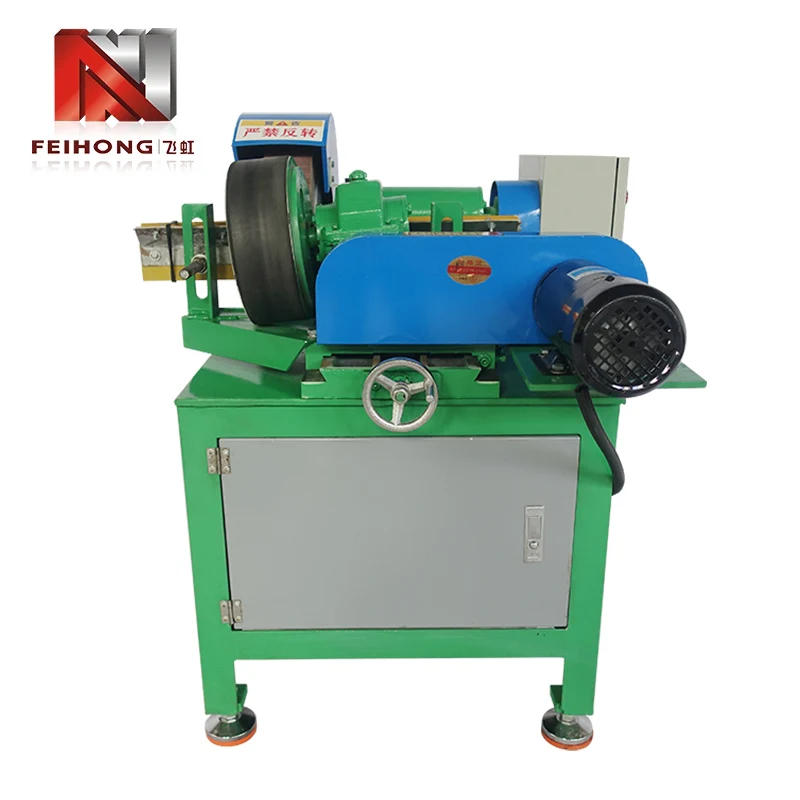
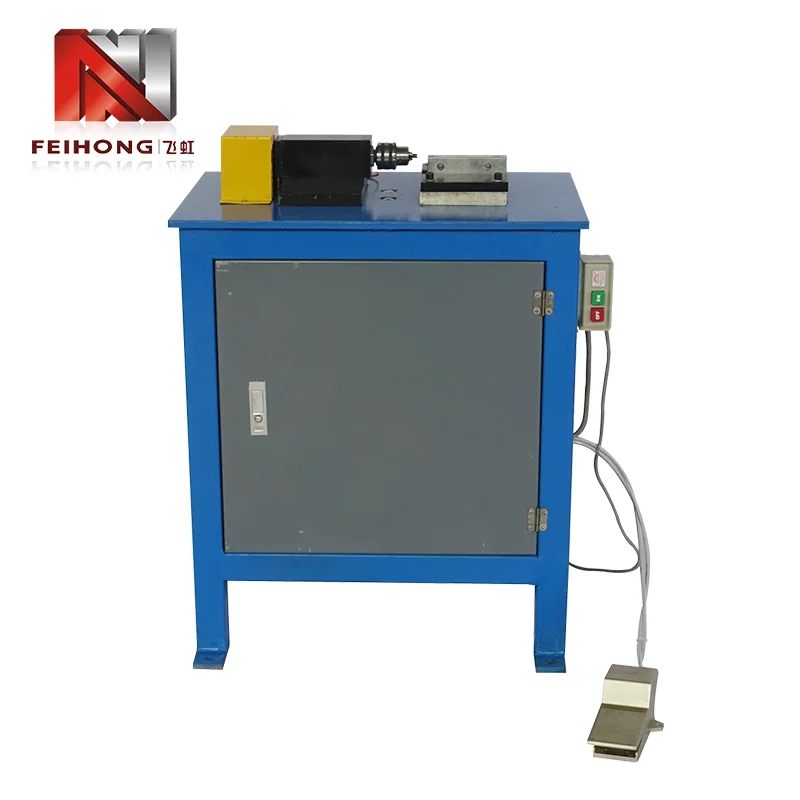
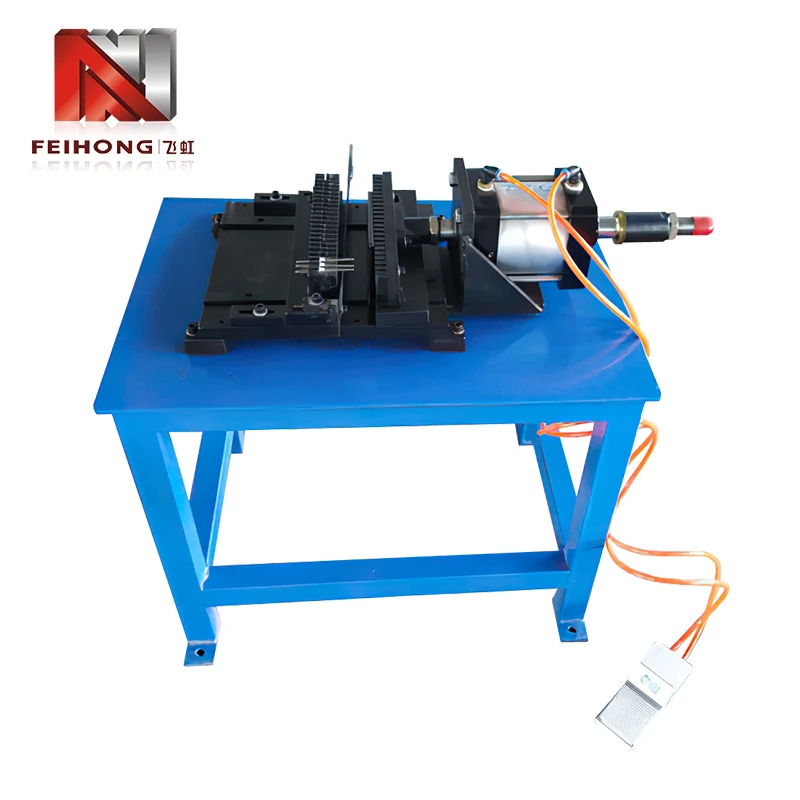
Manual Pipe Cutting Machine

Table of Contents


Article Outline

  • Introduction to Pipe Feeder
  • Structural composition and working principle
  • Material types and performance indicators
  • Technical specifications in table format
  • Practical applications in industrial settings
  • Frequently asked questions with clear answers
  • Conclusion with company reference and contact guidance

Introduction to Pipe Feeder

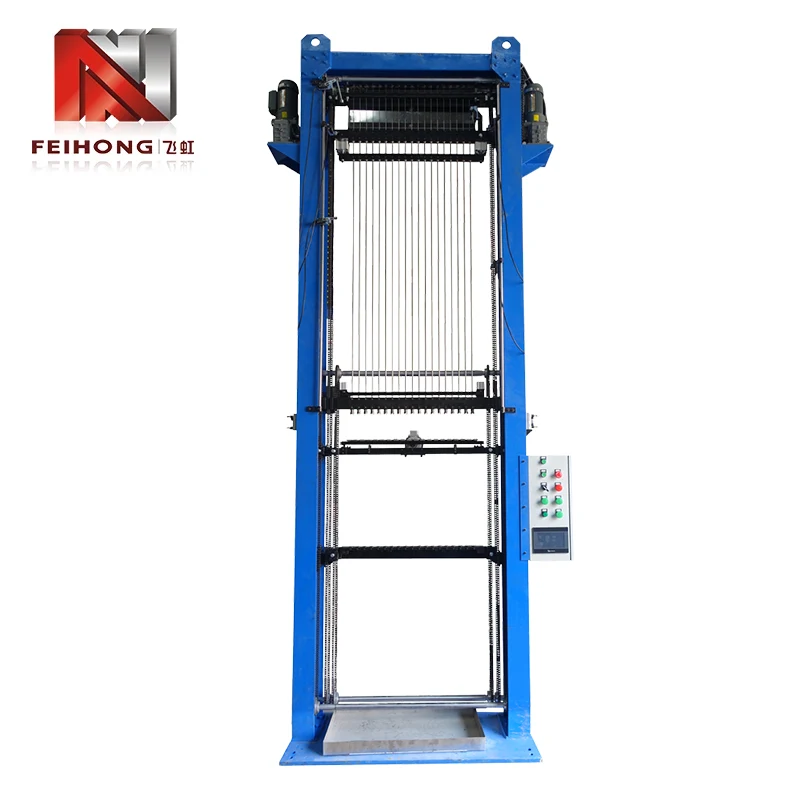
A Pipe Feeder is designed to provide precise and uniform feeding of powders, granules, and other bulk materials in various industrial processes. Its primary function is to maintain consistent material flow, reduce dust generation, and prevent blockages in downstream equipment. As industries increasingly rely on automation and continuous production, Pipe Feeders play an essential role in optimizing efficiency and production stability.

Feihong, as a leading manufacturer, has developed Pipe Feeders capable of handling diverse materials with high reliability, adjustable feeding rates, and minimal maintenance requirements.


Structural Design and Operational Principles

Pipe Feeders typically consist of the following core components:

  • Rotary feeding pipe that transports material uniformly
  • Drive motor with variable speed control for adjustable feeding rate
  • Sealed feeding chamber to reduce dust and prevent material leakage
  • Support frame engineered for stability and vibration reduction
  • Discharge outlet compatible with conveyor or processing equipment

The operational principle involves the rotation of the feeding pipe, which moves material from the inlet to the outlet at a controlled rate. This ensures uniform delivery, reducing surges and preventing feed interruption, critical for downstream processes such as mixing, packaging, or pneumatic conveying.


Technical Parameters and Specifications

Technical specifications define the operational boundaries and performance capabilities of Pipe Feeders. The following table summarizes key parameters:

Parameter Specification Range
Material Compatibility Powders, Granules, Small Pellets
Feeding Capacity 1–20 m³/h (adjustable)
Pipe Diameter 100–300 mm
Motor Power 0.75–5 kW
Material of Pipe Stainless Steel / Carbon Steel with Anti-Corrosion Coating
Operating Temperature -10°C to 80°C
Design Lifetime 10+ Years

Application Scenarios and Advantages

Pipe Feeders are widely applied in industries such as chemical processing, food production, pharmaceuticals, and construction materials. Specific advantages include:

  • Consistent and controlled material flow for continuous production
  • Reduced dust generation and improved workplace safety
  • Low maintenance due to robust mechanical design
  • Adaptable to various bulk materials and feed rates
  • Compact footprint suitable for limited space in production lines

Feihong Pipe Feeders are particularly suitable for integration with automated systems, enhancing productivity and minimizing downtime across industrial facilities.


Pipe Feeder FAQ

Q: How do I choose the correct Pipe Feeder for my material?

A: Selection should be based on material type, particle size, feeding rate, and compatibility with downstream equipment. Feihong provides technical support to ensure optimal feeder selection.

Q: Can the feeding rate be adjusted?

A: Yes. The motor speed can be adjusted, allowing precise control of material flow according to production requirements.

Q: How is dust controlled during operation?

A: The feeder is designed with a sealed chamber and smooth pipe surface, reducing dust emission and maintaining a cleaner work environment.


Conclusion and Contact Information

Pipe Feeders are essential for reliable, efficient, and controlled material handling in industrial production. By providing uniform feeding, reducing dust, and ensuring smooth operation, they significantly enhance production efficiency and system stability.

Feihong offers a range of high-performance Pipe Feeders engineered for diverse industrial applications. For customized solutions, technical support, or project inquiries, contact us today to discuss your material handling requirements and receive professional guidance.

Contact Us for consultation, product details, and tailored solutions from Feihong.

Related News
Leave me a message
X
We use cookies to offer you a better browsing experience, analyze site traffic and personalize content. By using this site, you agree to our use of cookies. Privacy Policy
Reject Accept