News

How Does a Wire Winding Machine Support Precision Manufacturing?

2025-12-31 0 Leave me a message

Article Abstract

A wire winding machine is a critical piece of industrial equipment used to wind metal or conductive wire onto spools, coils, cores, or other substrates with high precision. This article provides a comprehensive explanation of how a wire winding machine operates, what technical parameters define its performance, and how it adapts to evolving manufacturing requirements. Through structured analysis, parameter breakdowns, and common questions, this guide aims to support informed decision-making for manufacturers seeking stable, scalable, and accurate winding solutions.

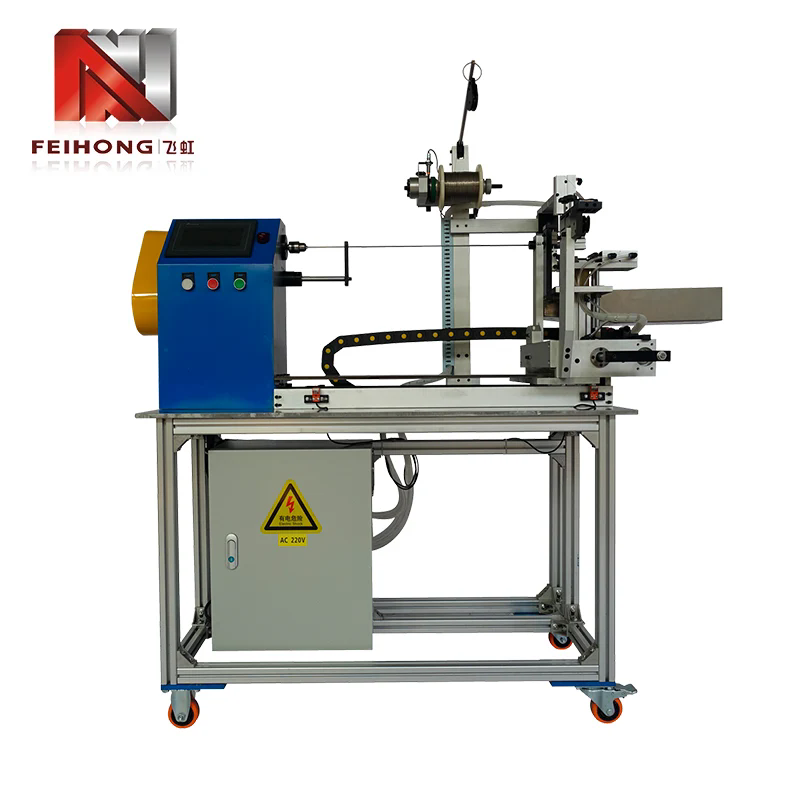
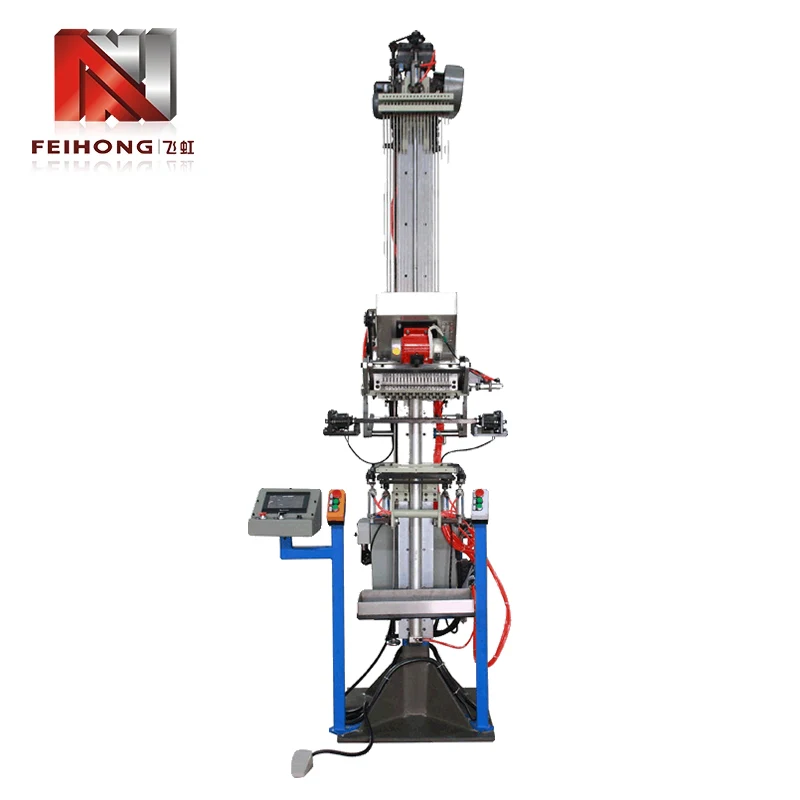
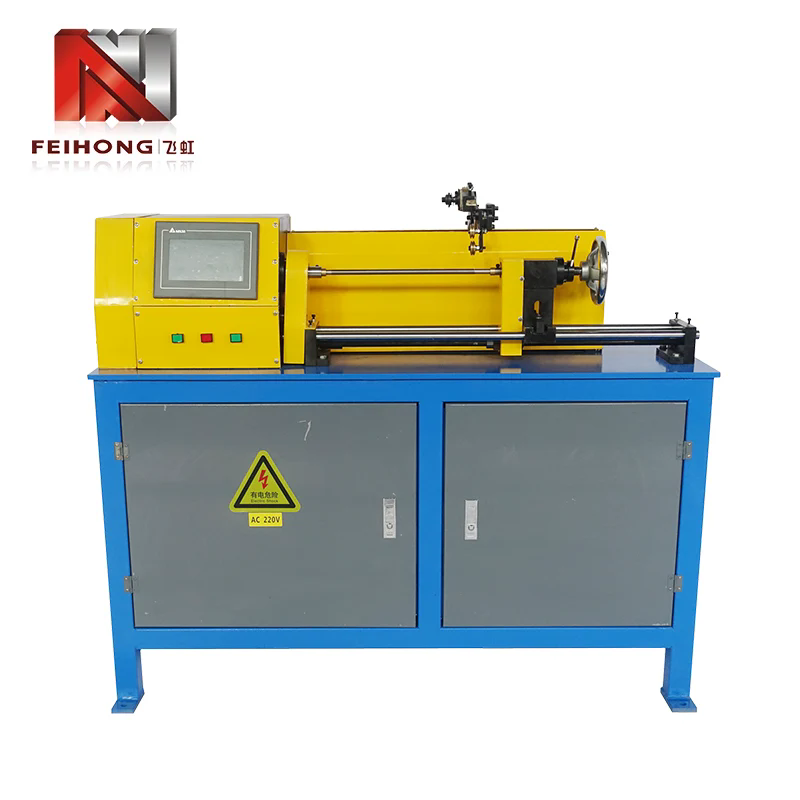
PLC Double-end Winder with Tail


Table of Contents


How Is a Wire Winding Machine Defined in Industrial Production?

A wire winding machine is an automated or semi-automated system designed to control the tension, alignment, speed, and layering of wire during the winding process. It is widely used in the production of electric motors, transformers, inductors, sensors, heating elements, and cable assemblies. The core objective of the machine is to achieve consistent winding geometry while minimizing material waste and mechanical stress.

Modern wire winding machines integrate mechanical drive systems, electronic control units, and tension regulation mechanisms. Depending on the application, the machine may support single-axis, multi-axis, or CNC-controlled winding paths. These systems allow manufacturers to maintain repeatability across large production batches while meeting strict dimensional tolerances.

From a production standpoint, the wire winding machine serves as a bridge between raw conductive material and functional electrical components. Its role is not limited to winding alone; it also influences electrical performance, thermal stability, and long-term reliability of the finished product.


How Do Technical Parameters Determine Machine Performance?

The operational capability of a wire winding machine is defined by a set of measurable technical parameters. These parameters directly affect productivity, compatibility with materials, and overall winding quality. Understanding these specifications is essential for aligning equipment selection with manufacturing requirements.

Parameter Typical Range Technical Significance
Wire Diameter Range 0.02 mm – 5.0 mm Determines compatibility with fine or heavy-gauge wire materials
Winding Speed 100 – 3000 RPM Balances production efficiency with winding accuracy
Tension Control Accuracy ±1% – ±3% Ensures consistent wire layering and prevents deformation
Control System PLC / CNC Defines programmability and process repeatability
Power Supply 220V / 380V, 50–60Hz Aligns with regional industrial electrical standards

Beyond numerical values, structural design also plays a decisive role. Frame rigidity, bearing quality, and servo motor responsiveness all contribute to long-term operational stability. A well-balanced system reduces vibration, which is particularly critical when winding ultra-fine wire used in precision electronics.


How Is a Wire Winding Machine Applied Across Industries?

Wire winding machines are deployed across a wide range of industrial sectors due to their adaptability. In the electrical equipment industry, they are essential for transformer coils and motor stators. In the automotive sector, they support the production of ignition coils, sensors, and electric drive components.

Renewable energy manufacturing also relies heavily on winding technology. Wind turbine generators, photovoltaic inverters, and energy storage systems all require precisely wound coils to achieve stable energy conversion. In these contexts, consistency and traceability are often prioritized over sheer speed.

Additionally, medical device manufacturing uses specialized wire winding machines for micro-coils in imaging systems and implantable devices. These applications demand strict compliance with dimensional accuracy and material handling standards, reinforcing the importance of advanced control systems.


How Should Common Questions About Wire Winding Machines Be Answered?

How does a wire winding machine maintain consistent tension during operation?
A wire winding machine maintains consistent tension through closed-loop control systems that combine mechanical brakes, servo-driven tensioners, and real-time feedback sensors. These components continuously adjust resistance to compensate for speed changes and spool diameter variation.

How is winding accuracy affected by machine configuration?
Winding accuracy is influenced by axis synchronization, guide precision, and control software resolution. Machines equipped with CNC systems can execute complex winding paths while maintaining uniform spacing and alignment across layers.

How should a wire winding machine be maintained to ensure long-term stability?
Long-term stability depends on routine inspection of moving components, calibration of tension systems, and timely replacement of wear parts such as bearings and guides. Preventive maintenance schedules significantly reduce unplanned downtime.


How Is the Future Development of Wire Winding Machines Shaped?

The evolution of wire winding machines is closely tied to advancements in automation and digital manufacturing. Integration with manufacturing execution systems enables real-time monitoring and data-driven optimization. Predictive maintenance, supported by sensor analytics, is becoming increasingly relevant for high-volume production environments.

Another notable direction is modular design. Machines that allow rapid reconfiguration can adapt to shorter product life cycles and diversified order structures. This flexibility supports manufacturers operating in competitive markets with fluctuating demand.


Conclusion and Industry Perspective

As industrial production continues to prioritize precision and efficiency, the wire winding machine remains a foundational element in multiple value chains. Its role extends beyond mechanical winding to encompass quality assurance and process stability.

Feihong has consistently focused on delivering wire winding machine solutions that align with these evolving requirements, supporting manufacturers with reliable equipment configurations and technical adaptability.

For organizations seeking detailed specifications or application guidance, contact us to explore how a wire winding machine can be aligned with specific production objectives.

Related News
Leave me a message
X
We use cookies to offer you a better browsing experience, analyze site traffic and personalize content. By using this site, you agree to our use of cookies. Privacy Policy
Reject Accept