Abstract
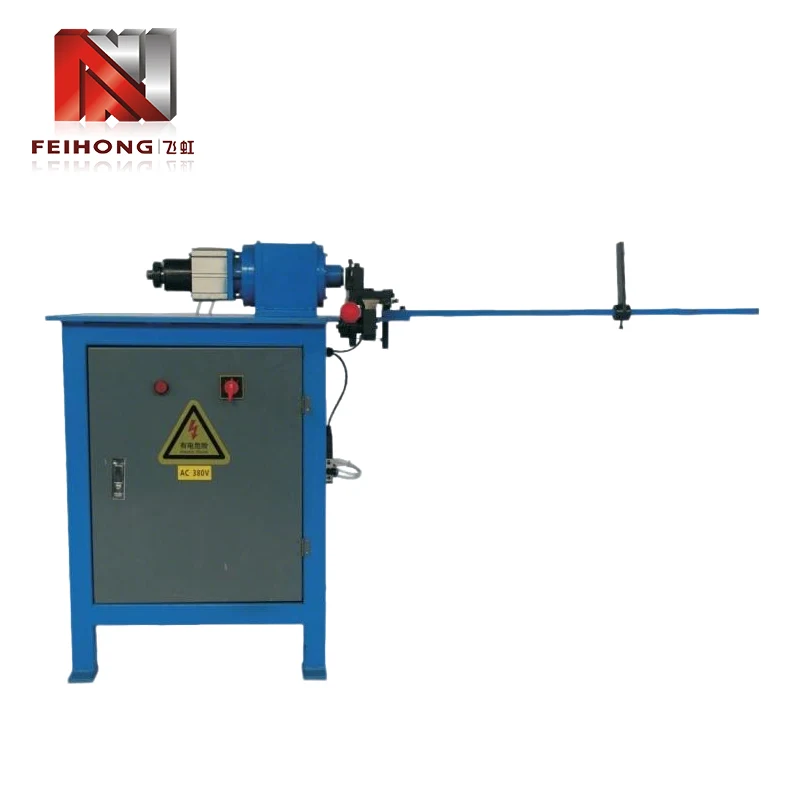
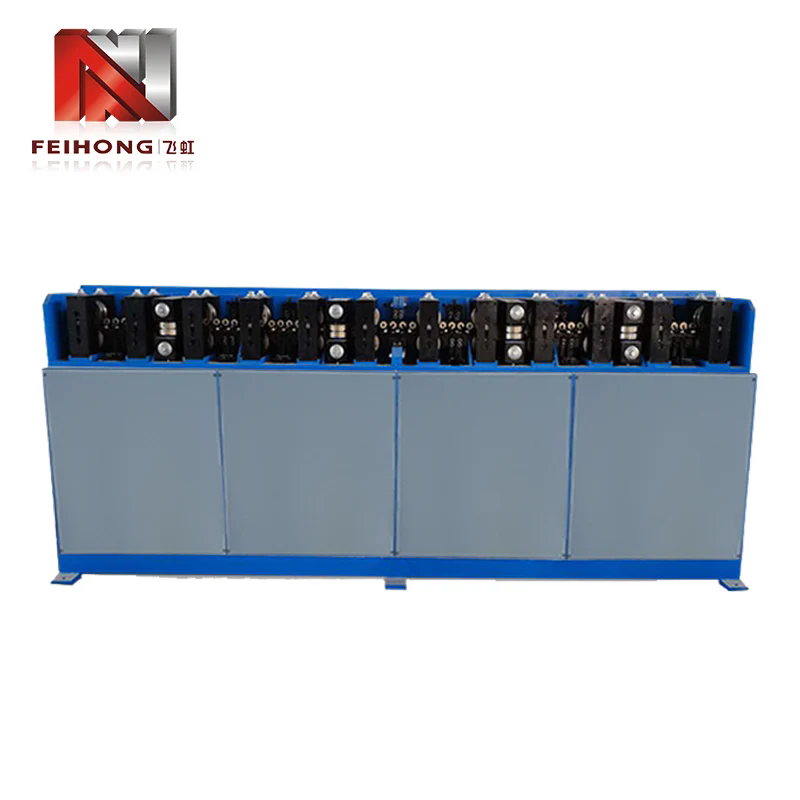
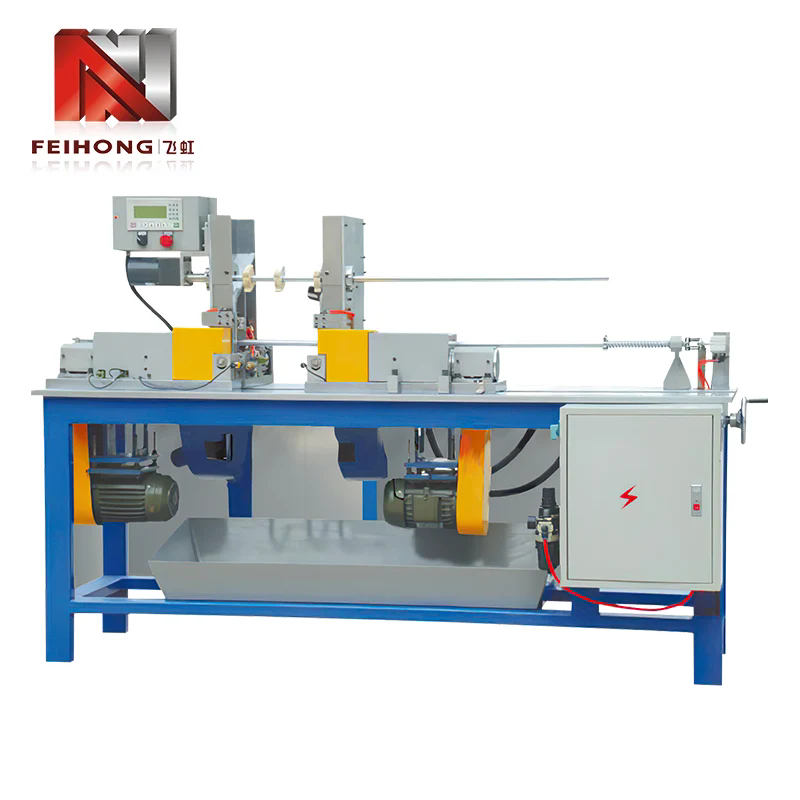
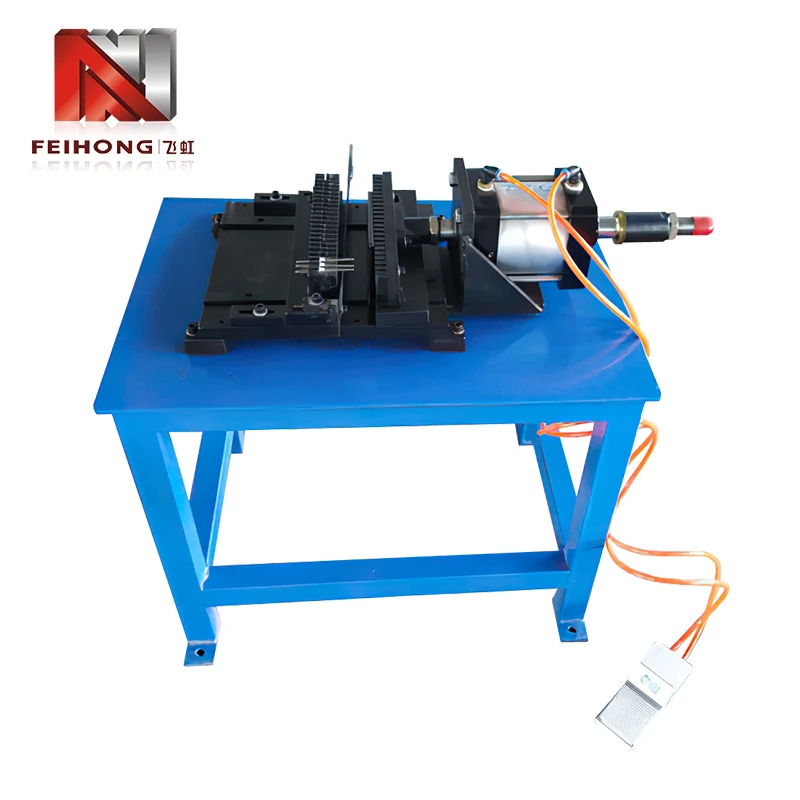
Manufacturers engaged in precision metal tube forming continuously seek stable, flexible forming equipment to streamline small-batch and multi-size pipe processing tasks. Hammering Round Pipe Shrinking Machine delivers standardized diameter reduction treatment for Gong-tip tubes, single-headed tubes and heating runner tubes, breaking the limits of traditional single-specification pipe shrinking equipment. This article explores the structural design, core processing capacity, mold replacement efficiency and practical application scenarios of hammer-type pipe shrinking equipment, sorting out how its mechanical hammer forming logic improves overall production stability and operational flexibility without relying on complicated auxiliary heating supporting systems. It also compares the operating threshold of hammer shrinking structures with hydraulic extrusion shrinking equipment, summarizing the adaptable production conditions that match the core performance parameters of the machine, and analyzing the long-term operational stability brought by its integrated power assembly and replaceable forming molds.
Table of Contents (Click each section to jump to corresponding content)
- 1. Core Working Logic Behind Hammer-Type Pipe Diameter Reduction Equipment
- 2. Complete Internal Structure Composition of Hammer Tube Shrinking Equipment
- 3. Standard Performance Parameter Range for Multi-Specification Tubing Processing
- 4. Fast Mold Replacement Mechanism Cuts Down Equipment Downtime in Production Lines
- 5. Main Application Tube Types Suitable for Hammering Shrinking Forming Technology
- 6. Comparison Between Hammer Shrinking Structure and Hydraulic Pipe Shrinking Equipment
- 7. Operation Standardization to Extend Service Life of Forming Molds
- 8. Common Production Layout Matching Schemes for Tube Shrinking Equipment
- 9. Frequently Asked Technical Questions About Tube Hammer Shrinking Processing
- 10. Access Customized Processing Solutions for Precision Tube Forming
1. Core Working Logic Behind Hammer-Type Pipe Diameter Reduction Equipment
Metal tube diameter shrinking is a cold forming process that compresses the outer wall of round tubes to achieve uniform reduction of pipe outer diameter, and the hammer forming mode relies on continuous cyclic mechanical impact to complete gradual shaping of pipe ends. Unlike one-time hydraulic extrusion forming which applies static pressure on the whole pipe segment, hammer-type equipment uses reciprocating hammer heads to apply periodic impact force on the pipe surface, dispersing forming pressure evenly on the tube wall and avoiding local deformation, crack or wrinkling defects that often occur in static extrusion processing.
The internal power transmission system converts the rotation force of the main motor into high-frequency reciprocating impact movement of the hammer assembly. Each impact action applies a tiny forming deformation to the pipe end, and hundreds of continuous impact cycles accumulate to finish the required diameter shrinkage size. This low single-point deformation stress effectively protects the internal metal grain structure of thin-wall round tubes, maintaining uniform wall thickness distribution after forming, which is critical for finished tubes that require tight dimensional tolerance control.
For production workshops handling small-batch orders with frequent tube specification switching, this impact forming logic brings unique operational advantages. Static hydraulic shrinking machines require long pressure holding time to complete forming, while hammer impact forming completes the whole shrinkage procedure within seconds after pipe clamping. The continuous cyclic impact mode also reduces the requirement for preheating auxiliary equipment for most conventional metal pipes, simplifying the supporting facility layout of the processing station and reducing extra space occupation on the production floor.
2. Complete Internal Structure Composition of Hammer Tube Shrinking Equipment
2.1 Main Power Driving Assembly
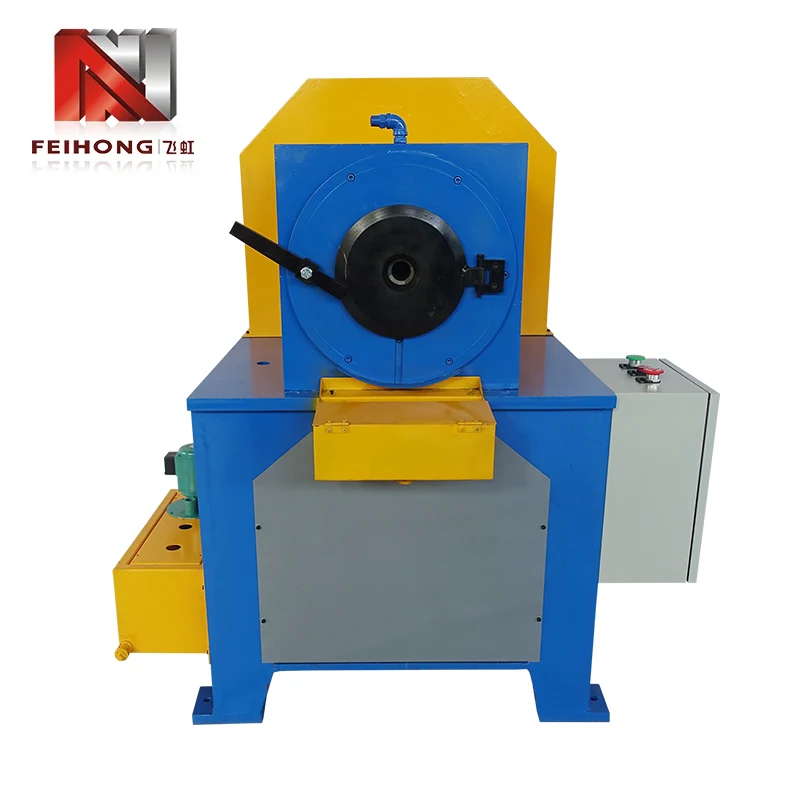
The core power module adopts an integrated 7.5KW motor matched with stable transmission gear sets, transferring power to the hammer execution unit without intermediate energy loss. The motor is fixed inside the sealed equipment cabinet with dustproof and vibration isolation pads, which suppress mechanical vibration generated during high-frequency hammer operation and lower noise interference for surrounding processing stations. The sealed cabinet structure also prevents metal debris and cooling lubricant from entering the motor winding, extending continuous running time of the power unit under long-shift production conditions.
The transmission gear set uses wear-resistant alloy materials with precision gear meshing clearance control, avoiding gear jumping and power output attenuation after thousands of working hours. A built-in overload protection component automatically cuts off power supply when the pipe clamping position deviates or foreign hard objects enter the forming area, preventing irreversible damage to the hammer head and transmission structure.
2.2 Hammer Impact Forming Execution Unit
The hammer head group is the core forming component contacting the pipe outer wall, composed of multiple symmetrical alloy hammer pieces distributed around the pipe clamping axis. During operation, the hammer pieces rotate around the central pipe positioning shaft while reciprocating outward and inward, creating continuous radial impact force on the pipe surface. Each hammer piece is equipped with replaceable wear-resistant contact sleeves, which can be independently disassembled and replaced without removing the whole hammer assembly, lowering daily maintenance difficulty.
The central pipe positioning chuck adopts self-centering clamping design, automatically adjusting clamping tension according to pipe wall thickness to prevent surface scratch of polished metal tubes. The chuck’s axial moving stroke covers the full shrinkage length range supported by the machine, fixing pipes from 150mm to 6000mm steadily without axial displacement during impact forming cycles.
2.3 Mold Quick Locking and Positioning Module
Molds determine the final outer diameter size of shrunk pipe ends, and the mold fixing structure of hammer shrinking equipment adopts quick-release locking fixtures instead of traditional bolt fastening. The positioning base has standardized size calibration scales, allowing operators to align mold installation positions accurately without repeated measurement after replacement. The whole mold disassembly and installation process only needs simple manual rotation of locking handles, eliminating auxiliary disassembly tools such as wrenches and screwdrivers.
3. Standard Performance Parameter Range for Multi-Specification Tubing Processing
The equipment series covers three standard models classified by maximum processing range, unifying core power configuration while expanding adaptability to different pipe diameter intervals. The complete parameter range covers tiny precision thin tubes to thick industrial heating tubes, fully covering mainstream tube types used in hardware, heating equipment and precision instrument manufacturing industries. The following table sorts out the unified processing capacity indicators shared by the whole equipment series:
| Performance Indicator Category | Full Series Standard Parameter Scope | Practical Production Application Value |
|---|---|---|
| Processable Pipe Outer Diameter | 2mm to 40mm | Covers micro precision tubing and medium-sized industrial heating tubes |
| Supported Pipe Shrinkage Length | 150mm to 6000mm | Meets short tip forming and long whole-segment pipe diameter reduction demands |
| Main Motor Rated Power | 7.5KW | Stable impact output for continuous 24-hour non-stop processing |
| Mold Replacement Completion Time | Within 10 minutes | Minimize production line waiting time during specification switching |
The unified 7.5KW power configuration ensures consistent impact force output no matter processing minimum 2mm micro tubes or maximum 40mm thick wall tubes. For ultra-long tubes close to 6000mm, the equipment can cooperate with external auxiliary pipe support frames to maintain horizontal pipe placement, avoiding pipe bending deformation caused by self-weight during long-length forming operations. The adjustable clamping tension of the positioning chuck also adapts thin-wall copper tubes, medium steel tubes and thick stainless steel tubes without surface indentation damage after forming.
4. Fast Mold Replacement Mechanism Cuts Down Equipment Downtime in Production Lines
Frequent mold replacement is a major factor causing production line stagnation for manufacturers receiving mixed multi-specification small batch orders. Traditional pipe shrinking machines adopt multi-group bolt locking molds, requiring operators to spend 30 minutes or longer disassembling, calibrating and fixing molds when switching pipe sizes, and repeated disassembly also easily leads to thread sliding and positioning deviation of mold bases, affecting finished pipe dimensional consistency.
The fast mold replacement structure built into hammer-type pipe shrinking equipment redesigns the whole mold locking logic, removing all fixed bolt components and adopting spring compression quick lock handles. The operation flow follows a simple three-step sequence without complicated calibration work:
- Release the side locking handle to lift the upper mold positioning cover plate
- Take out the old forming mold and place the new size mold into the standardized positioning groove
- Press down the cover plate and lock the handle to finish mold positioning and fixing completely
The whole operation process can be finished within 10 minutes by a single operator without auxiliary tools, directly cutting mold replacement downtime by over two-thirds compared with traditional bolt-fixed equipment. The standardized positioning groove eliminates manual calibration steps, and the built-in scale marks on the mold base ensure each new mold is installed at the same horizontal and vertical position, so the dimensional tolerance of shrunk pipes will not fluctuate after each mold replacement.
For production workshops with daily specification switching more than five times, this fast replacement mechanism greatly improves effective working hours of the equipment throughout each shift. Operators no longer need to reserve long waiting periods for mold adjustment, and the continuous processing rhythm of the production line can be maintained steadily, effectively raising the total number of finished tubes processed per working day without increasing labor input or extending working shifts.
5. Main Application Tube Types Suitable for Hammering Shrinking Forming Technology
The impact forming characteristic of hammer shrinking processing produces gentle dispersed deformation force, so it fits a wide range of tube products with different wall thickness and metal materials. Multiple mainstream tube categories used in precision manufacturing industries can complete diameter reduction forming on this equipment without additional cold or hot pre-treatment procedures, including four core tube types as listed below:
5.1 Gong-Tip Tubes for Hardware Decorative Components
Gong-tip tubes require smooth and uniform shrinkage at single pipe ends with no surface scratch, and thin-wall brass and aluminum alloy gong-tip tubes are prone to crack under static hydraulic extrusion pressure. The cyclic low-stress impact mode of hammer forming keeps the tube surface intact while completing diameter reduction, maintaining the polishing finish of decorative tubes without secondary surface polishing procedures after forming.
5.2 Single-Headed and Double-Headed Precision Instrument Tubes
Precision instrument single and double-headed tubes have strict requirements on coaxiality of shrunk ends, and inconsistent static pressure will cause offset deformation of two ends of double-headed tubes. The symmetrical distribution hammer head group applies uniform radial impact force around the pipe central axis, ensuring the shrinkage section keeps perfect coaxiality with the original pipe body, meeting the assembly tolerance standard of precision sensing instruments and testing equipment.
5.3 Hot Runner Heating Tubes for Molding Equipment
Hot runner heating tubes belong to medium-thick wall stainless steel tubes, which need stable shrinkage forming to fit the internal installation cavity of plastic molds. The 7.5KW stable impact power output can compress thick stainless steel pipe walls evenly, avoiding local pipe wall thinning caused by uneven extrusion force. Formed heating tubes maintain consistent wall thickness around the shrinkage section, ensuring uniform heat conduction performance after being installed inside mold runners.
5.4 Custom Multi-Specification Small-Batch Round Tubes
Many metal processing factories receive scattered small batch orders with dozens of different pipe diameter sizes every week. The fast mold replacement performance of hammer shrinking equipment allows rapid switching between different tube specifications, making it unnecessary to configure multiple separate pipe shrinking machines for different size orders. Small and medium-sized processing manufacturers can rely on one single equipment to complete all internal diameter reduction processing tasks of round tube products within the 2mm to 40mm processing range.
6. Comparison Between Hammer Shrinking Structure and Hydraulic Pipe Shrinking Equipment
Two mainstream pipe shrinking forming technologies dominate current metal tube processing markets: hydraulic static extrusion forming and hammer cyclic impact forming. Each structure has matching applicable production scenarios, and selecting suitable equipment according to batch size, tube material and specification switching frequency can avoid mismatched equipment performance limiting production efficiency. The core differences in operation logic and application scenarios are sorted clearly in the following comparative analysis:
6.1 Forming Force Application Mode Difference
Hydraulic shrinking machines apply one-time static pressure on the whole shrinkage section, completing forming in a single pressure holding cycle. The instantaneous pressure value is high, suitable for thick wall carbon steel tubes with high hardness, but easy to produce surface wrinkles and wall thickness unevenness on thin soft metal tubes. Hammer shrinking equipment accumulates tiny deformation through hundreds of low-intensity impact cycles, distributing forming stress evenly on the tube wall, which is more friendly to thin-wall copper, aluminum and polished decorative tubes with strict surface quality requirements.
6.2 Production Line Space and Auxiliary Equipment Demand
Hydraulic pipe shrinking machines need matched hydraulic oil stations, oil cooling circulation systems and pressure regulating auxiliary components, occupying extra floor space beside the main machine body. Hammer-type equipment integrates all power and execution components inside one sealed cabinet, without independent hydraulic supporting systems, reducing total floor occupation by nearly forty percent. For compact production workshops with limited equipment placement space, hammer shrinking equipment has obvious layout advantages.
6.3 Specification Switching Efficiency Gap
Most hydraulic shrinking machines use fixed mold groups locked by multiple bolts, with mold replacement time exceeding 30 minutes on average. The fast quick-release mold structure of hammer shrinking equipment controls whole replacement time within 10 minutes, which brings obvious efficiency advantages to factories with frequent specification switching and small batch orders. For mass production lines with fixed single tube size, hydraulic equipment with larger single forming pressure may have higher single-piece processing speed, but hammer equipment gains comprehensive efficiency in mixed-specification flexible production environments.
7. Operation Standardization to Extend Service Life of Forming Molds
Molds are the main consumable components of pipe shrinking processing equipment, and standardized daily operation steps can effectively reduce abnormal wear, scratch and deformation of mold inner surfaces, prolonging the usable cycle of each set of molds and lowering long-term component replacement costs for processing workshops. A complete set of standardized operation norms covers three core links before, during and after equipment operation:
- Pre-operation mold inspection: Wipe the inner forming surface of molds with clean soft cloth to remove metal powder and residual lubricant; check for tiny pits and scratches on the mold inner wall, replace worn molds before processing if surface damage exists
- In-operation pipe pretreatment: Apply thin layer of special metal forming lubricant evenly on pipe ends before clamping, reduce friction between tube outer wall and mold inner surface during impact forming to avoid mold surface abrasion
- Post-operation mold maintenance: After daily production shift ends, disassemble molds and soak them in anti-rust cleaning liquid, air-dry completely and store in sealed anti-dust storage boxes to prevent oxidation rust of mold alloy surface
Improper operation such as processing unlubricated raw pipes or mixing hard metal debris into the mold cavity will cause irreversible scratch marks on the mold forming surface. Once scratches appear on the mold inner wall, the shrunk pipe ends will carry corresponding linear indentation defects, which cannot be eliminated by polishing post-processing. Strict implementation of standardized maintenance steps can extend the service cycle of each mold group by more than fifty percent, reducing the frequency of mold procurement and equipment downtime caused by mold replacement.
In addition to daily maintenance rules, regular equipment inspection cycles also need to include calibration of hammer head clearance. Excessive clearance between hammer head and mold will lead to unstable pipe forming size, while too small clearance accelerates mutual wear of hammer and mold components. Weekly adjustment of hammer assembly clearance according to equipment operation hours keeps the matching gap within factory calibrated standard values, balancing finished product dimensional accuracy and mold wear speed.
8. Common Production Layout Matching Schemes for Tube Shrinking Equipment
Different factory production line layouts determine the placement mode and auxiliary supporting facilities required by tube shrinking equipment. Three mature layout schemes are widely adopted by metal tube processing manufacturers according to workshop space size and processing flow sequence, each scheme matching different production operation modes:
8.1 Independent Single-Station Processing Layout
This layout applies to small-scale processing workshops with scattered independent order processing, placing one hammer shrinking machine as an independent processing station separated from cutting, polishing and threading equipment. The independent station reserves surrounding operation space for manual loading and unloading of long tubes within 6000mm length, and movable material storage racks can be placed beside the machine to store raw tubes and finished products separately. The independent layout does not need to connect with front and rear processing equipment through conveying lines, with low transformation cost for newly built small processing workshops.
8.2 Linear Assembly Line Connected Layout
Medium-sized manufacturers with continuous ordered processing flow adopt linear assembly line layout, placing the shrinking equipment between tube cutting station and surface finishing station. Short-distance roller conveying frames are matched on both sides of the machine body to automatically transfer cut raw tubes to the clamping chuck, and send formed shrunk tubes to subsequent polishing procedures. The integrated linear layout reduces manual handling frequency of semi-finished tubes, lowering labor intensity and avoiding surface collision scratch during manual transfer.
8.3 Multi-Machine Parallel Flexible Production Layout
Large processing factories receiving mixed bulk orders configure multiple hammer shrinking machines in parallel layout, with shared raw material storage area and unified finished product sorting area in the middle of equipment groups. Each machine can independently process different tube specifications without interfering with adjacent equipment, and operators can take charge of two to three machines simultaneously due to the simple automatic clamping and forming operation logic of hammer shrinking equipment. The parallel layout greatly improves overall order delivery capacity during production peak seasons without expanding workshop floor area significantly.
9. Frequently Asked Technical Questions About Tube Hammer Shrinking Processing
For stainless steel tubes with wall thickness within standard processing range, preheating auxiliary equipment is not required under normal room temperature production environment. The continuous cyclic impact force of the hammer assembly completes cold forming steadily, and only ultra-thick wall tubes exceeding the machine’s matching wall thickness limit need mild preheating to reduce forming resistance. Conventional hot runner heating tubes used in plastic molding industry can finish complete diameter reduction forming through cold hammer processing directly.
With calibrated molds and standard hammer clearance adjustment, the outer diameter tolerance of shrunk pipe ends can be controlled within ±0.05mm, which meets the precision assembly requirements of hardware, instrument and heating equipment industries. Long-length tubes near 6000mm keep consistent tolerance level on shrinkage sections when matched with auxiliary support frames to eliminate self-weight bending interference during forming.
The whole machine adopts sealed vibration isolation cabinet and built-in noise absorption cotton inside the equipment shell, and the operating noise value is controlled within industrial workshop standard range. General production workshops do not need to configure independent noise reduction rooms; only factories with strict ultra-low noise environmental requirements can add external auxiliary noise insulation panels beside the machine body according to actual needs.
Pipe wrinkling mainly comes from three factors: insufficient lubricant coating before forming, mismatched mold inner diameter size and excessive hammer impact clearance. Corresponding solutions include evenly applying forming lubricant on pipe ends, re-calibrating mold positioning scale and adjusting hammer assembly clearance to factory standard value. After adjusting the three parameters, wrinkling defects can be completely eliminated in most processing conditions.
10. Access Customized Processing Solutions for Precision Tube Forming
Each metal tube processing factory has unique production demands based on product types, order batch sizes and workshop layout conditions, so standardized series equipment can be matched with customized auxiliary components to fit personalized processing requirements. Auxiliary customizable configurations include long tube automatic support frames, automatic feeding roller tables, special anti-scratch mold inner sleeves and digital size display modules, which can be combined freely according to actual production needs without modifying the core hammer forming structure of the machine.
Zhaoqing Feihong Machinery & Electrical Co., Ltd. develops and manufactures full series hammer-type tube shrinking equipment, optimizing structural design and processing parameters based on years of on-site production testing data collected from metal tube processing factories across multiple industries. Every equipment model undergoes continuous running aging test before delivery, verifying the stability of impact forming power, mold locking mechanism and long-term operation performance under mixed-specification processing conditions.
For manufacturers searching flexible pipe forming equipment suitable for multi-specification small batch tube production, evaluating the matching degree between machine processing parameters and internal product lines is the key step to select suitable forming equipment. The core advantages of fast mold replacement, wide tube diameter processing range and integrated compact structure make hammer shrinking equipment a reliable choice for flexible precision tubing processing workshops.
The dispersed low-stress impact forming mode avoids many quality defects common in static extrusion processing, lowering the rejection rate of finished shrunk tubes and simplifying post-processing polishing and correction procedures. Production teams can focus on stable continuous tube forming without frequent shutdown adjustment caused by specification switching, improving the smoothness of the whole tube processing workflow from raw material cutting to finished product delivery.
For factories that regularly update tube product specifications and receive mixed small-batch orders, the comprehensive operational flexibility brought by hammer-type forming technology creates stable long-term production advantages that single-specification dedicated shrinking equipment cannot match. The standardized parameter range of the series equipment covers most mainstream round tube forming demands in hardware, heating equipment and precision instrument manufacturing sectors, reducing the need to deploy multiple separate forming machines to handle different pipe diameter sizes.
After confirming the tube material, pipe diameter range and shrinkage length of internal processing products, production managers can obtain targeted equipment configuration suggestions and detailed technical parameter introduction to match the actual workshop layout and daily production capacity demands. Custom auxiliary structural accessories can be added to the standard machine body to realize semi-automatic feeding and discharging, further reducing manual operation steps during continuous processing shifts.
Equipment technical engineers can sort out targeted layout schemes and operation specification documents according to factory site size and processing flow sequence, helping production teams complete stable equipment commissioning and rapid worker operation training after equipment arrival. Complete post-delivery technical guidance covers mold maintenance standards, daily equipment inspection checklists and common forming defect adjustment methods, supporting long-term stable operation of tube shrinking processing stations on site.
Obtain Custom Precision Tube Forming Technical Solutions Now
Share your tube processing specifications, workshop layout conditions and daily production demands to get targeted equipment configuration suggestions and full technical parameter documents.
contact us