News

How Can a Powder Excavator Transform High-Precision Material Handling?

2025-12-05

A Powder Excavator represents an advanced class of industrial equipment engineered for extracting, conveying, and metering powdered materials with accuracy and consistency. As industries shift toward cleaner production, faster throughput, and automated precision, the Powder Excavator becomes essential in sectors such as additive manufacturing, chemical processing, metallurgy, energy storage, pharmaceuticals, and advanced composites.

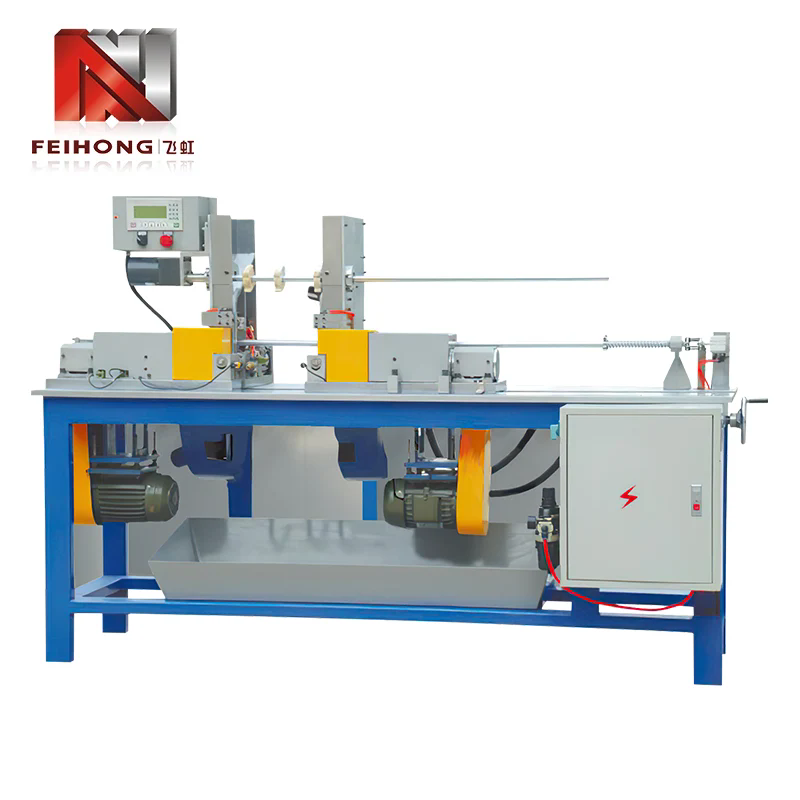
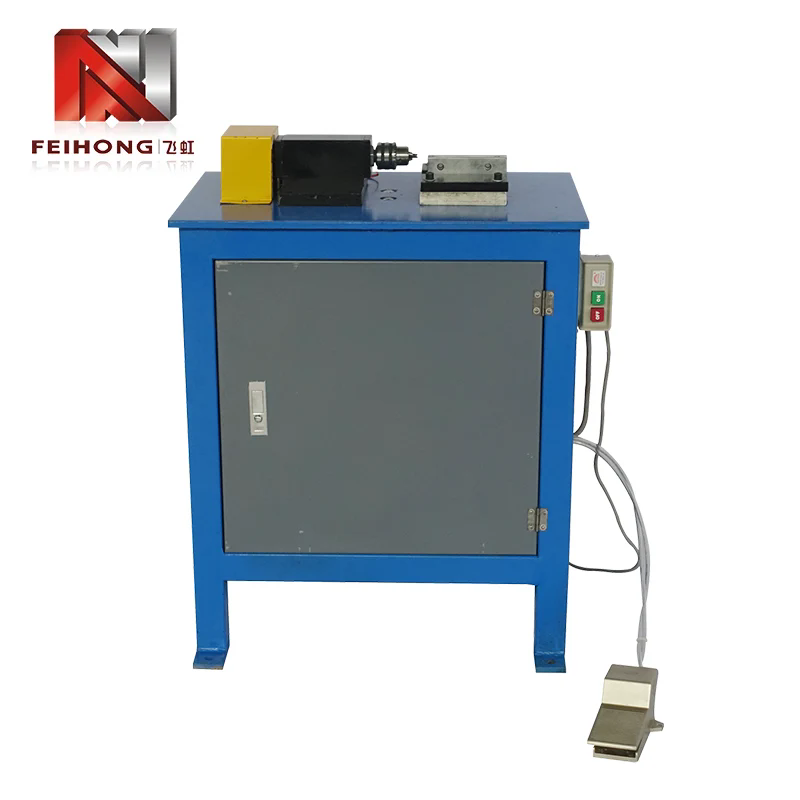
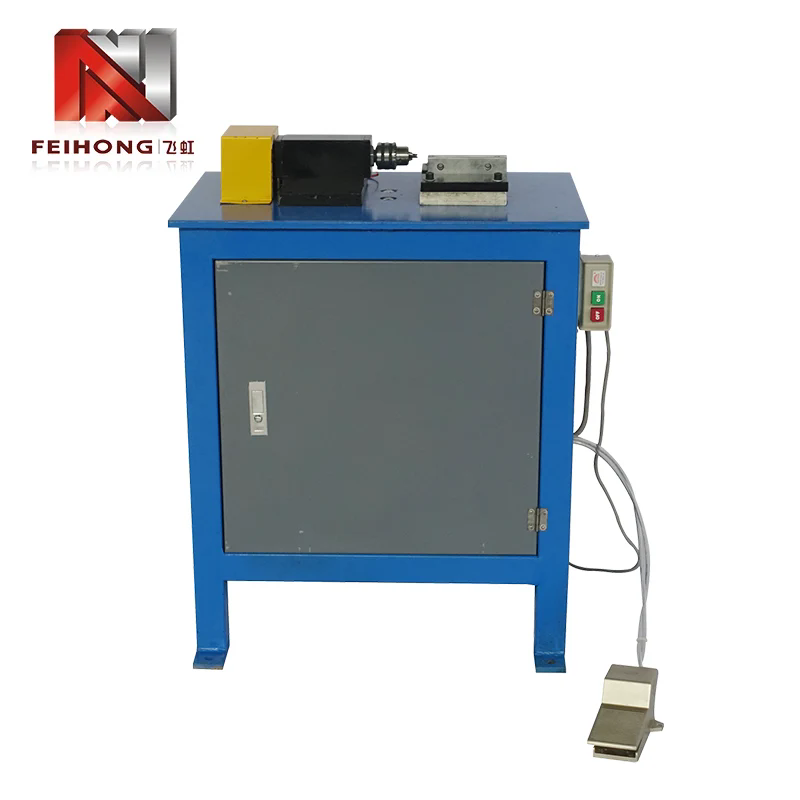
Automatic Double-End Powder Cutter

How Does a Precision Powder Excavator Achieve Consistent Material Handling?

Modern industrial workflows rely heavily on the ability to maintain uniform powder density, stable mass flow, and contamination-free transfer. A Powder Excavator achieves this through engineered mechanisms designed to stabilize discharge velocity, prevent particle segregation, and deliver accurate retrieval even from deep or narrow storage environments.

The following product parameters demonstrate how its structural and operational specifications support efficiency, quality, and process reliability.

Key Product Parameters of the Powder Excavator

Parameter Category Specification Details
Material Compatibility Metallic powders (steel, titanium, aluminum alloys), mineral powders, chemical powders, polymer powders, ceramic powders, and specialty functional materials
Excavation Precision ±0.1–0.3% mass accuracy depending on powder type and flow characteristics
Flow Rate Range 1 kg/h to 2000 kg/h configurable, with adaptive modulation based on density and granularity
Particle Size Support Suitable for particle sizes from 10 μm to 500 μm
Excavation Mechanism High-torque micro-control drivers, vibration-assisted loosening, spiral extraction rods, and anti-bridging architecture
Environmental Adaptability Closed-loop sealed operation for oxygen-sensitive powders; dust-free extraction for hygiene-critical industries
Automation Integration Supports PLC systems, real-time monitoring, and data-driven feedback adjustment
Safety Systems Spark-proof construction for metal powders, overload protection, and anti-static isolation
Maintenance Requirement Tool-free disassembly, modular components, and rapid cleaning design

Through a combination of mechanical precision and system intelligence, such equipment ensures that powder density, lubrication levels, moisture exposure, and flow uniformity remain within the targeted range. This allows industries to maintain strict tolerance in additive manufacturing layers, homogeneous mixture ratios in chemical batches, and controlled feedstock output in metal processing.

How Do the Functional Advantages of a Powder Excavator Improve Production Efficiency?

When evaluating powder-handling machinery, several performance factors stand out: flow reliability, system safety, consistency during long-term operation, and the ability to minimize production losses. A Powder Excavator addresses these requirements through a set of engineered advantages that directly support industrial competitiveness.

1. Flow Stabilization and Anti-Bridging Architecture

Powder materials often form arches or clogs in storage hoppers, especially those with irregular particle shapes or high cohesiveness. The Powder Excavator counteracts this with integrated vibration plates, directional flow channels, and specially designed internal geometries that allow free movement without over-agitation. Stable flow prevents batch inconsistency, metering errors, and equipment downtime.

2. Micro-Precision Excavation for Narrow-Tolerance Industries

Applications such as aerospace additive manufacturing demand extremely tight control over powder density and mass distribution. High-precision extraction components enable the Powder Excavator to feed powder into 3D printing systems, coating chambers, or alloy-mixing units with exceptional accuracy. As a result, manufacturers achieve better surface quality, core strength, and microstructure uniformity.

3. Clean, Controlled, and Contamination-Free Operation

Sealed operation ensures that oxygen-sensitive or moisture-reactive powders retain their composition throughout handling. Dust-free construction protects operators, reduces environmental contamination, and ensures full compliance with industrial safety standards. Pharmaceutical and semiconductor industries particularly benefit from such hygienic control.

4. High Throughput Capability for Mass Production

At large industrial scales, one of the most significant advantages lies in the ability to sustain high flow rates while maintaining precision. Powder Excavators can move heavy volumes without sacrificing accuracy, enabling continuous production lines to operate at peak performance.

5. Integration With Automated Smart Manufacturing

Manufacturing ecosystems increasingly rely on real-time monitoring, sensor-based adjustment, and automated decision-making. Powder Excavators equipped with PLC communication ports and digital monitoring platforms allow integration with robotic arms, conveyor systems, and intelligent batching equipment. This enhances workflow transparency and operational consistency.

6. Lower Maintenance Costs and Longer Equipment Lifespan

The modular design allows users to replace core components individually, reducing overall maintenance time. Wear-resistant materials prevent abrasion from high-density or metallic powders, extending the machine’s operational lifespan. Combined with easy cleaning, these factors keep operational downtime to a minimum.

How Are Powder Excavators Shaping Future Trends in Smart Powder-Material Processing?

Powder processing continues to evolve as demand rises for lightweight metals, advanced composites, high-capacity energy materials, and pharmaceutical micro-powders. These industrial transitions place new demands on equipment capabilities. Powder Excavators are expected to develop along the following future trends:

1. Increased Automation and AI-Driven Control Systems

Factories are moving toward fully automated powder-processing lines. Future Powder Excavators will integrate extensive sensor networks capable of detecting density fluctuations, particle accumulation points, and moisture levels in real time. Combined with high-speed logic control, systems will automatically optimize flow rate, adjust torque levels, and maintain consistent performance with minimal human intervention.

2. Expansion Into Ultra-Fine Powder Industries

As industries move toward nano-scale materials and ultra-fine metal powders, Powder Excavators must evolve to handle extremely small particle sizes without clogging, agglomeration, or contamination. Specialized coatings, precision gears, and micro-vibration stabilization will become standard features.

3. Enhanced Safety for Energetic and Oxygen-Sensitive Powders

The rise of battery materials, energetic alloys, and reactive functional powders creates a strong demand for improved safety systems. Spark-resistant chambers, enhanced grounding, inert-gas operation modes, and temperature-controlled excavation mechanisms are expected to dominate future designs.

4. Hybrid Excavation-Conveyance Systems

To improve processing speed, next-generation Powder Excavators will function as multi-stage systems: excavation, transport, mixing, and metering may occur within one integrated unit. This reduces equipment footprint, simplifies layout design, and improves energy efficiency.

5. Sustainability and Energy-Efficient Operation

Industries are focusing on reducing their environmental impact and energy consumption. Future designs will prioritize lower power usage, reduced material waste, and recyclable structural materials.

How Can Industries Select the Right Powder Excavator for Their Production Needs?

Choosing the correct Powder Excavator depends on matching equipment features with production demands. Industries should evaluate the following critical criteria:

Material Type and Flow Characteristics

Some powders exhibit high friction coefficients, while others may clump under humidity or electrostatic influence. Materials such as titanium, nickel alloys, or ceramic powders require specialized handling systems and anti-sparking structures.

Required Accuracy and Production Speed

High-precision industries need equipment capable of micro-metering with minimal deviation. High-volume industries prioritize fast, continuous flow.

Environmental Protection Requirements

Pharmaceutical and food industries need hygienic, sealed operation. Metal-powder industries require oxygen-controlled environments and anti-static measures.

Compatibility With Automation Systems

Equipment must integrate seamlessly with the factory’s control architecture, allowing centralized monitoring and real-time data feedback.

Maintenance Accessibility

Efficient modular design reduces labor cost and downtime. Tool-free access is becoming a preferred standard in modern production environments.

Frequently Asked Questions About Powder Excavators

Q1: How does a Powder Excavator prevent powder bridging and ensure consistent flow?

A Powder Excavator prevents bridging through a combination of vibration-assisted mechanisms, flow-optimized internal geometries, and anti-caking designs. These elements work together to maintain consistent powder movement even when handling irregular or cohesive particles. By disrupting the formation of arches or blockages within storage containers, the system ensures smooth and predictable flow, reducing delays and improving overall production accuracy.

Q2: What maintenance steps are required to keep a Powder Excavator functioning at peak performance?

Maintenance typically includes periodic cleaning to remove residual powder, checking wear components for abrasion, and ensuring that seals remain airtight for oxygen-sensitive operations. Modular components simplify replacement without impacting adjacent systems. Regular inspection of torque output, vibration units, and conveying pathways ensures stable performance. With proper maintenance scheduling, equipment lifespan is extended significantly while preventing unplanned downtime.

How Does a Powder Excavator Support Future-Ready Industrial Production?

A Powder Excavator stands at the intersection of precision engineering, automated manufacturing, and sustainable industrial development. Its ability to stabilize powder flow, enhance product quality, and integrate seamlessly into digital production lines positions it as an essential component in modern manufacturing ecosystems. Through high accuracy, contamination-free operation, and adaptive control capabilities, Powder Excavators empower industries to meet rising global standards for efficiency, repeatability, and material performance.

As industries continue to adopt advanced materials, high-resolution additive technologies, and energy-critical powders, the demand for reliable and scalable powder-handling equipment will expand. Manufacturers will increasingly prioritize solutions that reduce waste, improve safety, and deliver consistent results across mass-production environments.

At the forefront of this evolution, Feihong® continues to refine Powder Excavator technology with enhanced structural design, improved safety mechanisms, and higher-precision control modules. For organizations seeking reliable powder-handling solutions optimized for tomorrow’s production needs, reaching out for technical consultation and customized engineering support is highly recommended. To explore tailored solutions or discuss project requirements, simply contact us for further assistance.

Related News
X
We use cookies to offer you a better browsing experience, analyze site traffic and personalize content. By using this site, you agree to our use of cookies. Privacy Policy
Reject Accept