News

How Does a Pipe Shrinker Machine Improve Precision, Efficiency, and Long-Term Production Reliability?

2025-12-10

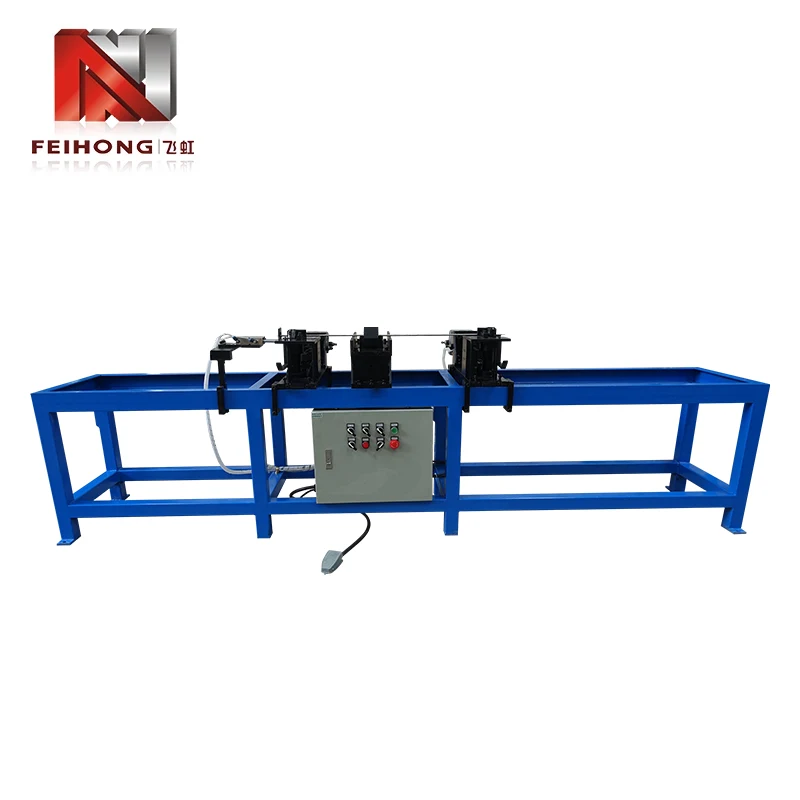
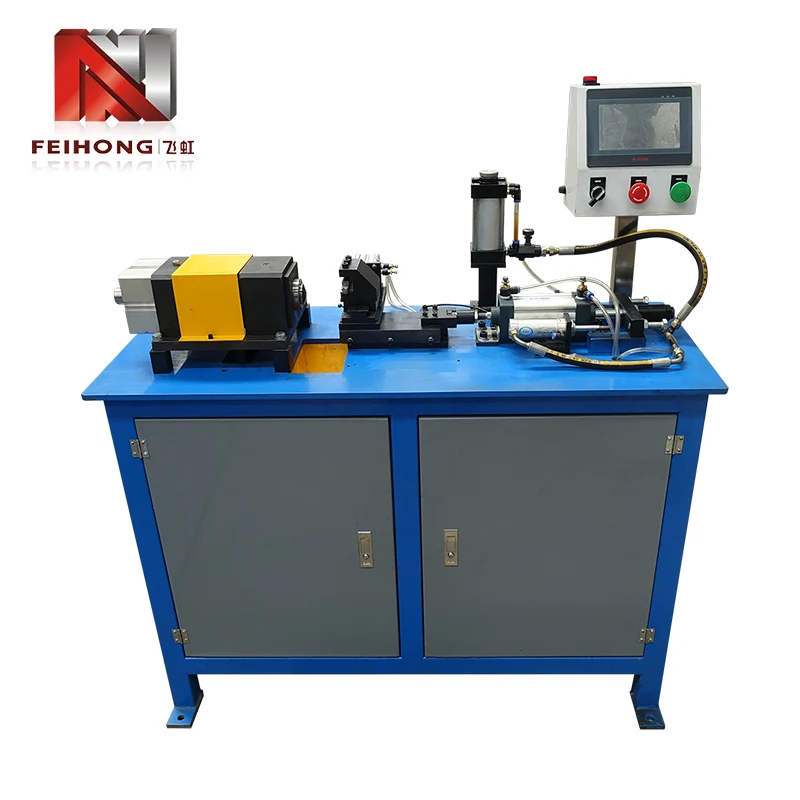
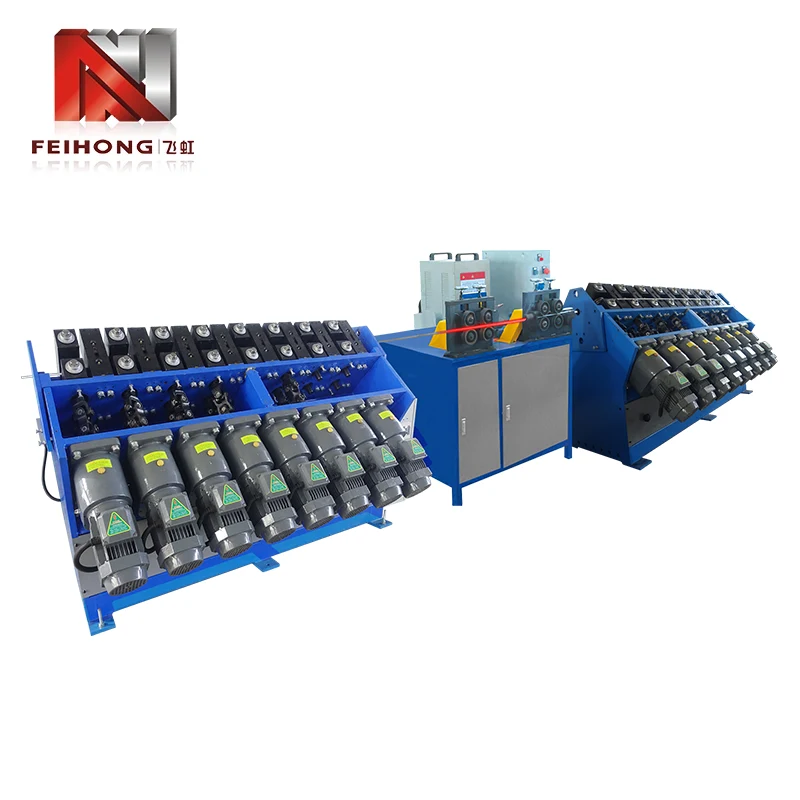
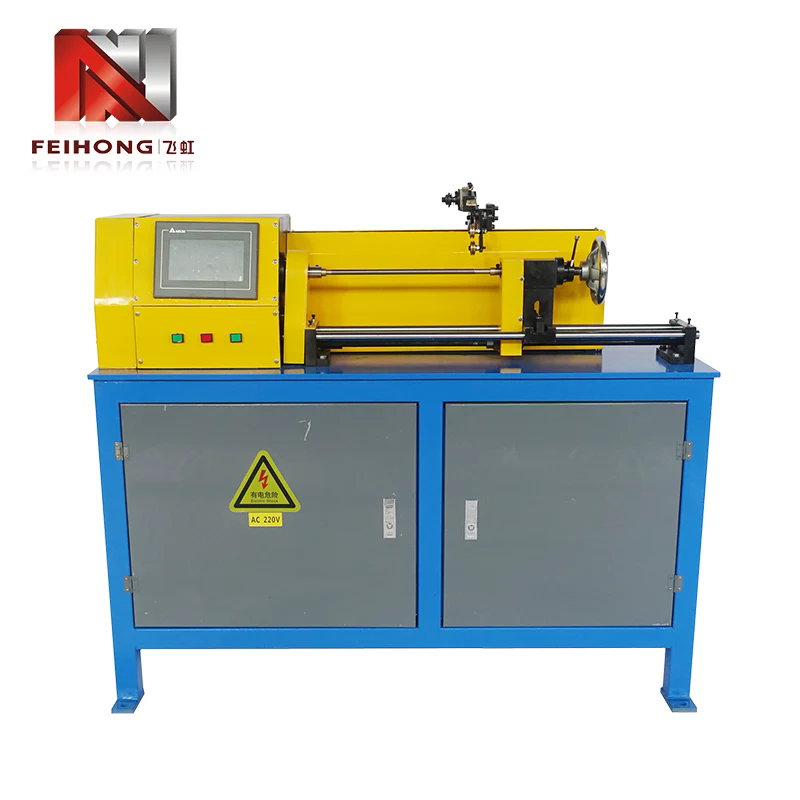
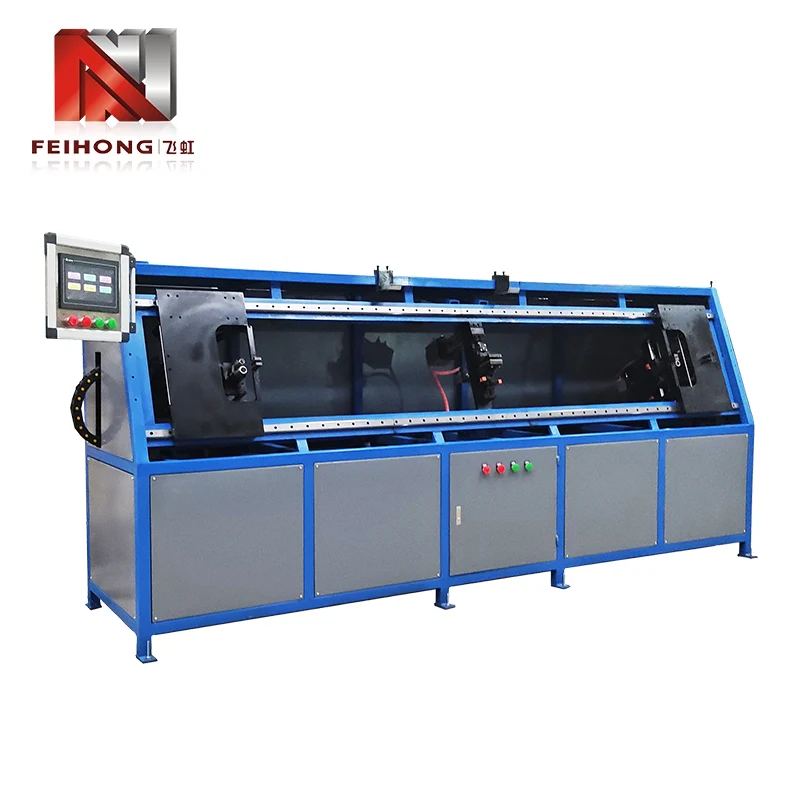
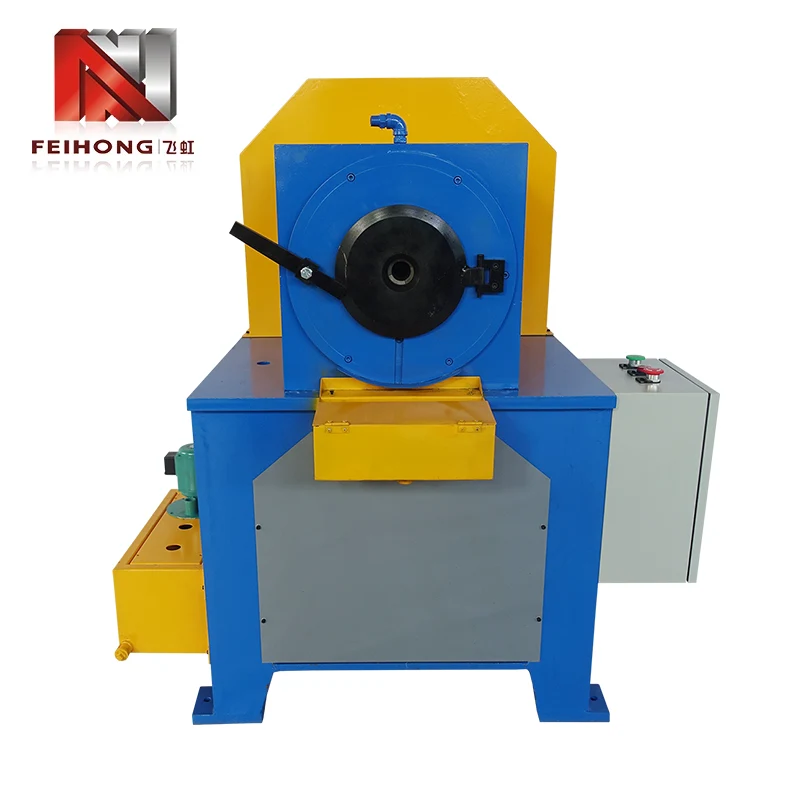
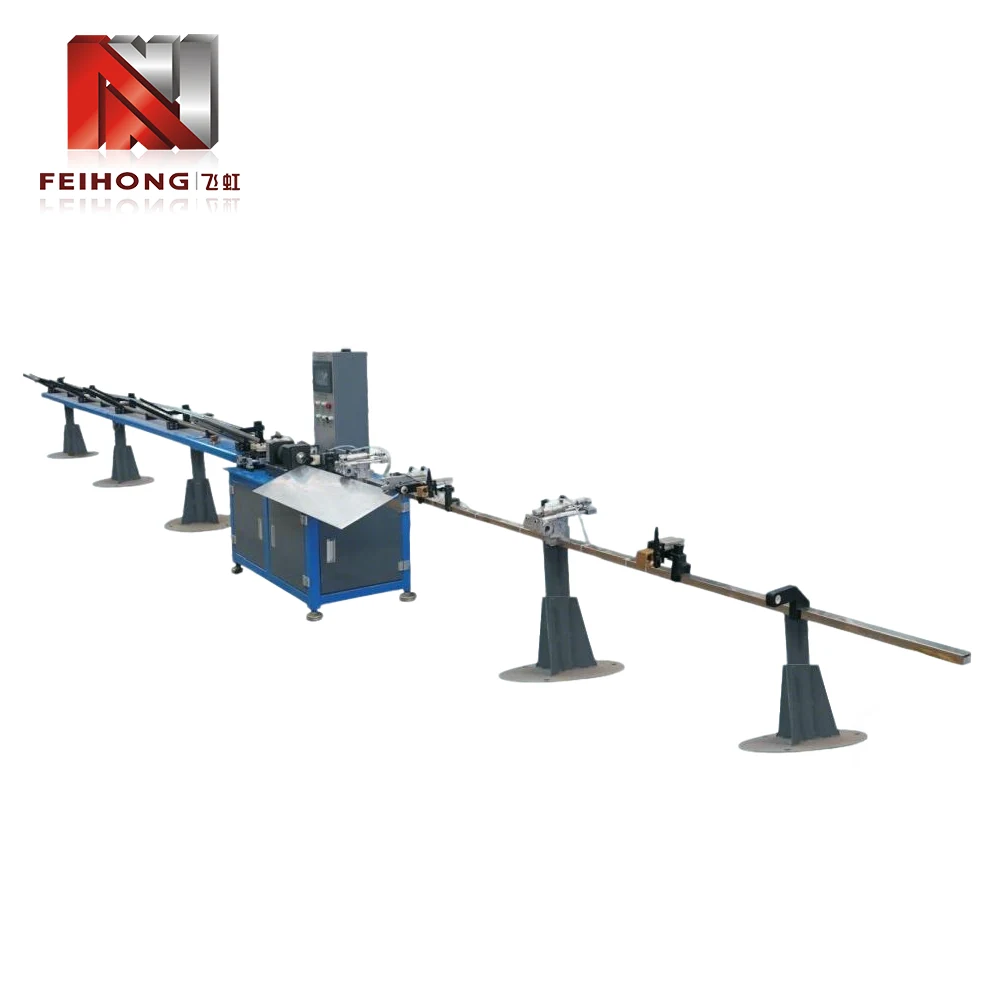
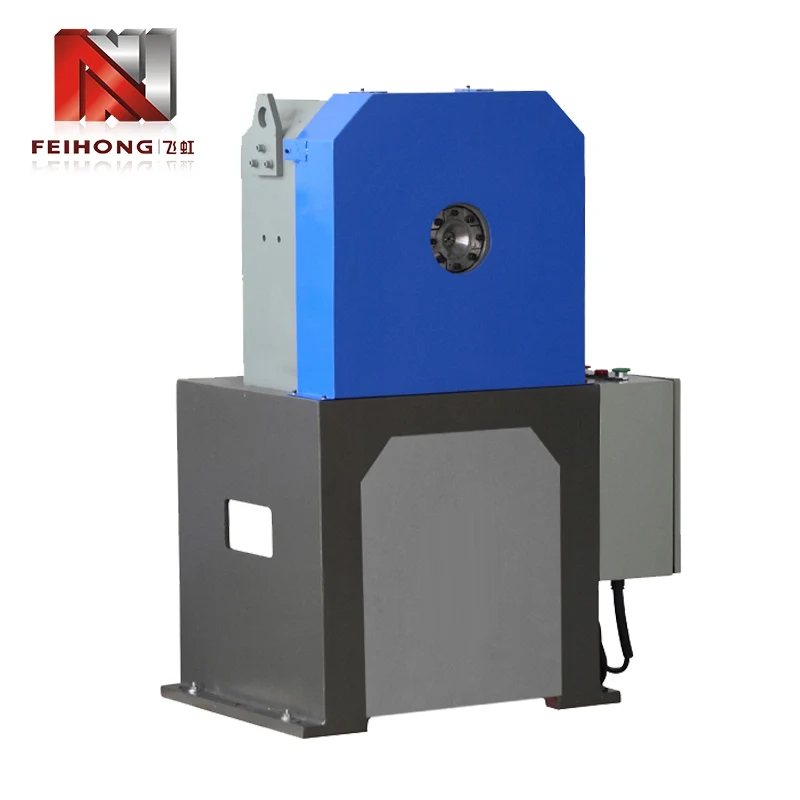
A Pipe Shrinker Machine is a specialized piece of industrial equipment used to reduce the diameter of metal pipes and tubes with high precision. It is widely applied in automotive parts manufacturing, HVAC pipelines, furniture tubing, construction hardware, and exhaust system fabrication. The purpose of this article is to explore how a Pipe Shrinker Machine works, why it delivers exceptional forming consistency, and how its technological evolution continues to shape the future of metal-forming automation. The following guide also outlines core specifications, functional advantages, and key decision-making factors that help determine whether this equipment meets long-term production needs.

Flat Pipe Shrinking Machine

To better illustrate engineering performance and manufacturing value, the following parameter table displays typical configuration ranges available for professional-grade Pipe Shrinker Machines:

Parameter Specification Range Description
Pipe Diameter Capacity 8–120 mm (varies by model) Supports narrow to mid-size tubes for multiple industries
Wall Thickness Capability 0.6–3.5 mm Maintains roundness and structural integrity during shrinking
Forming Stroke 30–80 mm Determines maximum shrink depth per cycle
Main Motor Power 5.5–15 kW Provides strong forming force and stable operation
Max Shrinking Force 8–25 tons Ensures consistency for stainless steel, carbon steel, and copper
Control System PLC touchscreen control Supports programmable operations and repeatability
Production Speed 8–18 pcs/min depending on pipe size Enables high-volume mass manufacturing
Machine Type Hydraulic / Servo-Hydraulic Servo options deliver precision and energy savings

How Does a Pipe Shrinker Machine Deliver Consistent Forming Results?

A Pipe Shrinker Machine operates through a controlled radial compression process that reshapes pipe ends to a smaller diameter. The shrunk end can be used for slip-fit joints, coupling installations, air-tight exhaust systems, and structural reinforcement. Modern machines adopt segmented dies and hydraulically driven forming modules to achieve uniform compression without deforming the pipe’s structural integrity.

Key Functional Principles

1. Multi-Segment Die Compression
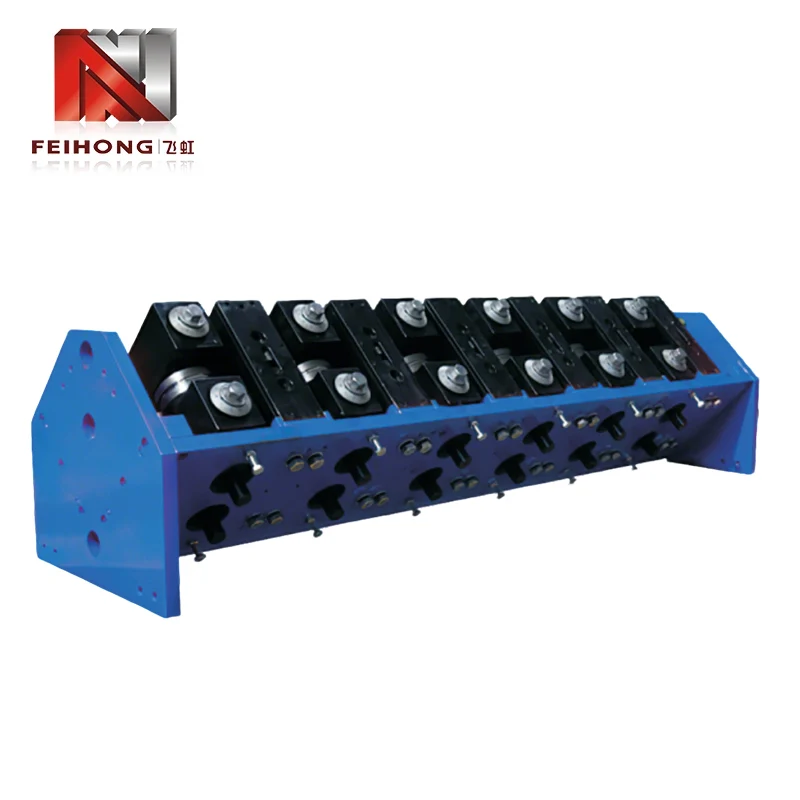
The die segments are arranged around the pipe circumference. When activated, they move inward simultaneously to ensure uniform force distribution. This eliminates uneven shrinking, oval deformation, or surface imperfections.

2. Hydraulic or Servo-Hydraulic Force Application
Hydraulic pressure provides the forming power. Servo-hydraulic systems further add closed-loop feedback, allowing micro-adjustments to maintain consistent results across thousands of cycles.

3. Adjustable Stroke and Pressure Control
Operators can set the exact pressure range and stroke travel to match different pipe materials, such as stainless steel, aluminum, copper, titanium, and carbon steel.

4. Programmable Precision
PLC control ensures repeatable and stable production. Operators can store multiple forming recipes, which reduces setup time across various products.

Why This Matters

Consistent shrinking is essential for industries requiring exact tolerances—such as automotive exhausts, aerospace brackets, HVAC tubing, and stainless-steel furniture. A single deviation can affect assembly tightness, airflow resistance, or welding quality. For this reason, the Pipe Shrinker Machine is central to quality assurance in tube-forming plants.

How Do Its Advantages Improve Daily Production Efficiency?

A Pipe Shrinker Machine provides several engineering and operational advantages that help manufacturers meet productivity and reliability standards.

1. Precision Shrinking for High-Tolerance Applications

The radial compression system ensures stable roundness and near-perfect concentricity. This is crucial for automotive exhaust pipes, structural tube joints, and fluid-transport pipelines.

2. Greater Productivity in Mass Manufacturing

Fast cycle times allow continuous production with consistent results. Servo-controlled systems can further reduce energy consumption and enhance overall speed.

3. Durability for Heavy-Duty Use

Industrial-grade steel frames, heat-treated tooling, and stable hydraulic circuits extend service life even under high-pressure, daily operations.

4. Versatility Across Industries

A single machine can work across dozens of pipe types and metals. Manufacturers can easily adjust settings to handle multi-spec product lines.

5. Reduced Post-Processing Requirements

Smooth, uniform shrink results minimize finishing work such as polishing, deburring, or corrective reshaping.

6. Improved Operator Safety

Both hydraulic and servo models include advanced safety interlocks, two-hand activation buttons, light-curtain protection, and overload alarms.

How Will the Pipe Shrinker Machine Evolve in the Future?

As manufacturing shifts toward automation and intelligent control, Pipe Shrinker Machines continue to evolve. Future developments focus on precision, energy savings, digitalization, and seamless integration with factory-wide automation.

1. Integrated Smart Monitoring

Future machines will include:

  • Predictive maintenance sensors

  • Real-time hydraulic pressure monitoring

  • Automated die-wear detection

  • Energy-usage analytics

These features will help factories reduce downtime and extend equipment lifespan.

2. Faster Production Through Servo Technology

Servo-hydraulic drives will gradually replace traditional hydraulic systems due to:

  • Higher precision control

  • Lower energy consumption

  • Faster response time

  • Reduced oil temperature and maintenance

3. Tooling Optimization and Quick-Change Systems

Advancements in tooling design will allow:

  • Faster die changes

  • Modular die sets

  • Triple-stage shrinking capability

This will significantly reduce setup time for factories producing multiple pipe sizes.

4. Collaboration With Robotic Arms and Automatic Feeding Lines

Future metal-forming plants will integrate:

  • Automated pipe loading

  • Robot-assisted positioning

  • Unattended night-shift operation

This trend delivers high consistency and minimal labor cost.

Common Questions About Pipe Shrinker Machines (Q&A)

Q1: How to select the right Pipe Shrinker Machine for different pipe materials?
A1: Consider the required shrinking depth, wall thickness, and desired forming precision. Harder materials like stainless steel often require higher tonnage and servo-hydraulic force control. For aluminum or copper, standard hydraulic models are sufficient. Always ensure the shrinking force matches material hardness to avoid cracking, deformation, or surface marks.

Q2: How to maintain long-term accuracy and stability?
A2: Regularly inspect hydraulic oil quality, clean the die segments, monitor pressure setting consistency, and follow scheduled lubrication for moving parts. Machines with PLC monitoring and servo control automatically maintain parameters, helping ensure consistent precision across extended production cycles.

Enhancing Industrial Productivity Through Reliable Shrinking Technology

A Pipe Shrinker Machine plays a crucial role in modern tube-forming production lines. Its ability to deliver tight tolerances, uniform shrink depth, fast cycle times, and stable performance makes it essential for manufacturers across the automotive, furniture, HVAC, aerospace, and hardware industries. As demand for precision pipe fabrication increases, advanced machines with servo-hydraulic systems, intelligent monitoring, and robotic integration will continue shaping the future of metal-forming automation.

Manufacturers seeking long-term value benefit from choosing equipment with strong structural durability, optimized tooling, and stable hydraulic performance. Professional brands such as Feihong® have continued to refine shrinking technology to meet global production standards while delivering dependable accuracy across thousands of cycles.

For detailed specifications, custom configurations, and professional consultation, contact us to explore suitable Pipe Shrinker Machine solutions tailored to your production requirements.

Related News
X
We use cookies to offer you a better browsing experience, analyze site traffic and personalize content. By using this site, you agree to our use of cookies. Privacy Policy
Reject Accept