News

How Does Roller Hammer Shrinking Improve Fabric Stability?

2026-02-26 0 Leave me a message

Article Summary

Roller hammer shrinking is a specialized mechanical finishing process widely used in textile manufacturing to improve fabric dimensional stability, surface texture, and overall quality. By applying controlled mechanical impact and pressure through rotating rollers and hammer systems, fabrics achieve reduced residual stress, improved density, and enhanced hand feel. This comprehensive guide explains how roller hammer shrinking works, what problems it solves, how to select the right equipment, and why manufacturers rely on this process for consistent and high-value textile output. The article also highlights how Feihong supports industrial-scale roller hammer shrinking solutions.

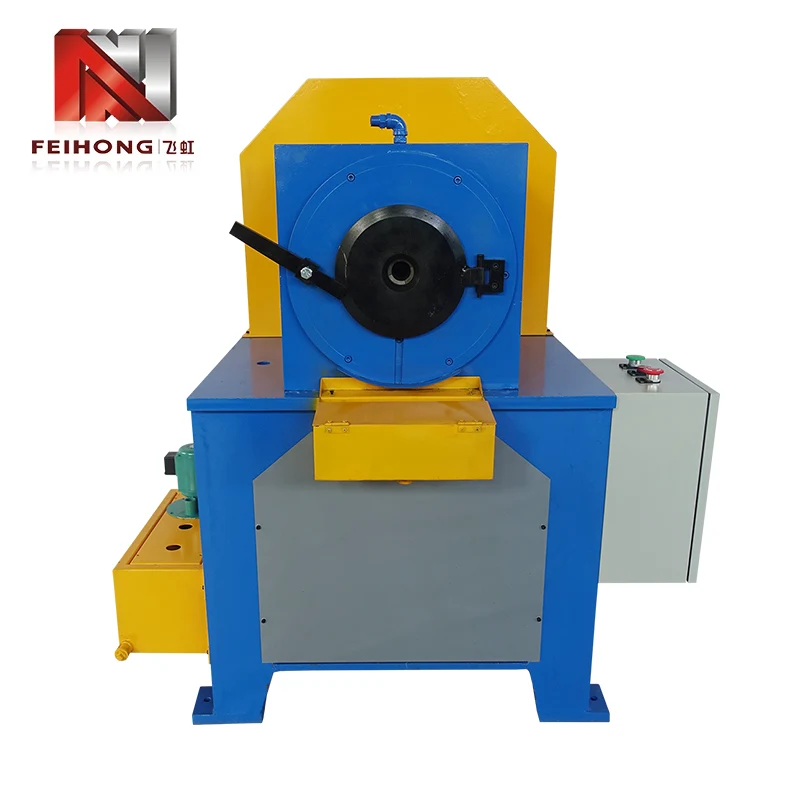
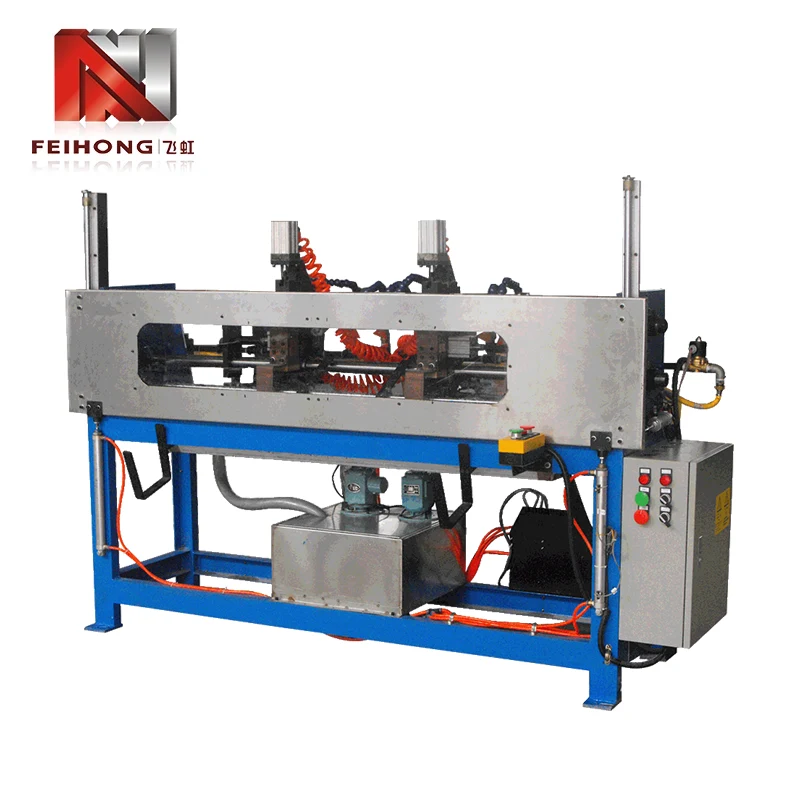
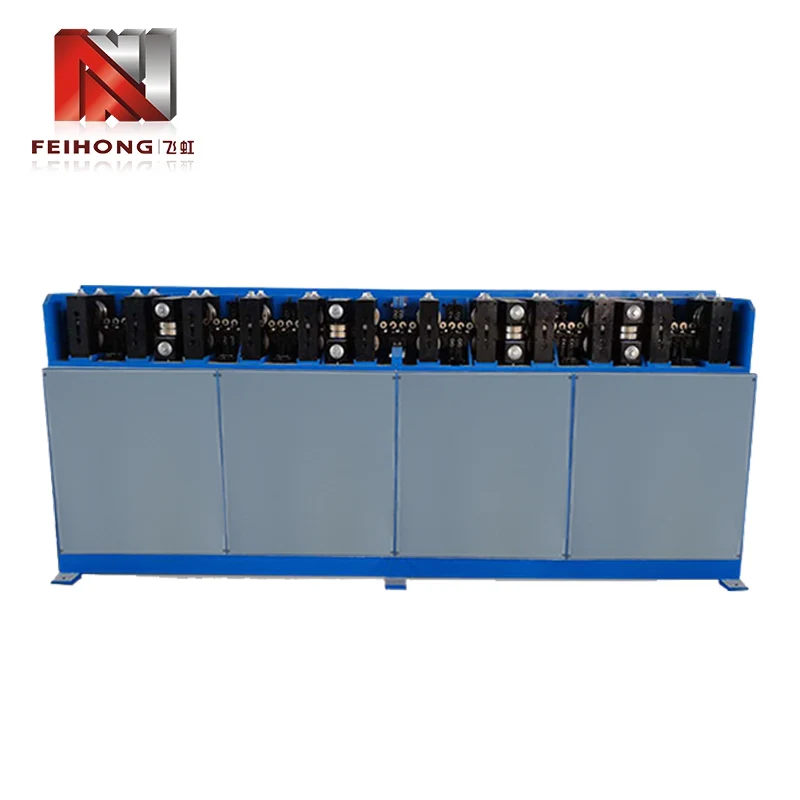
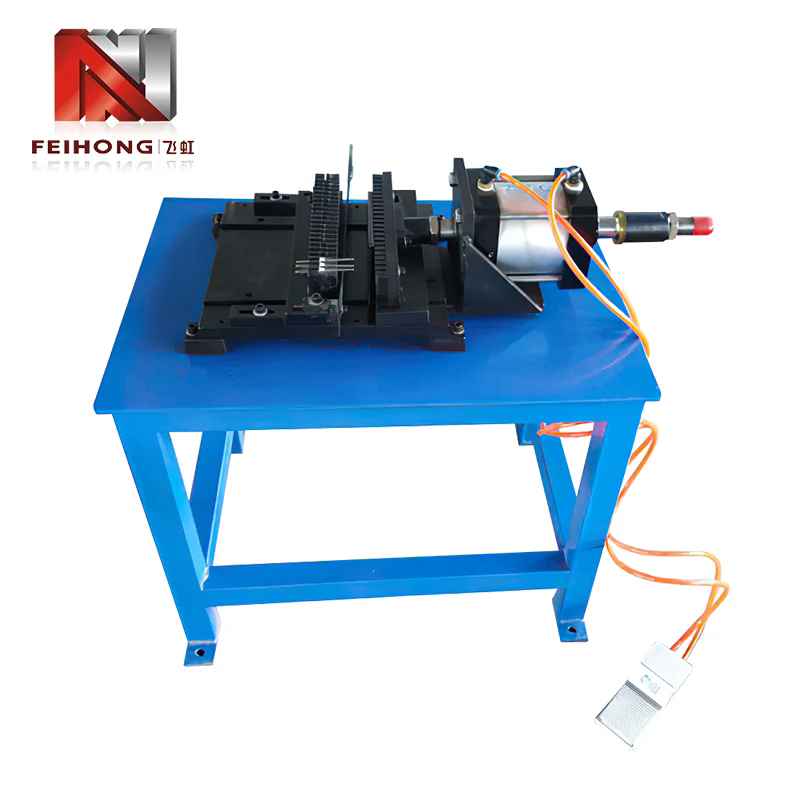
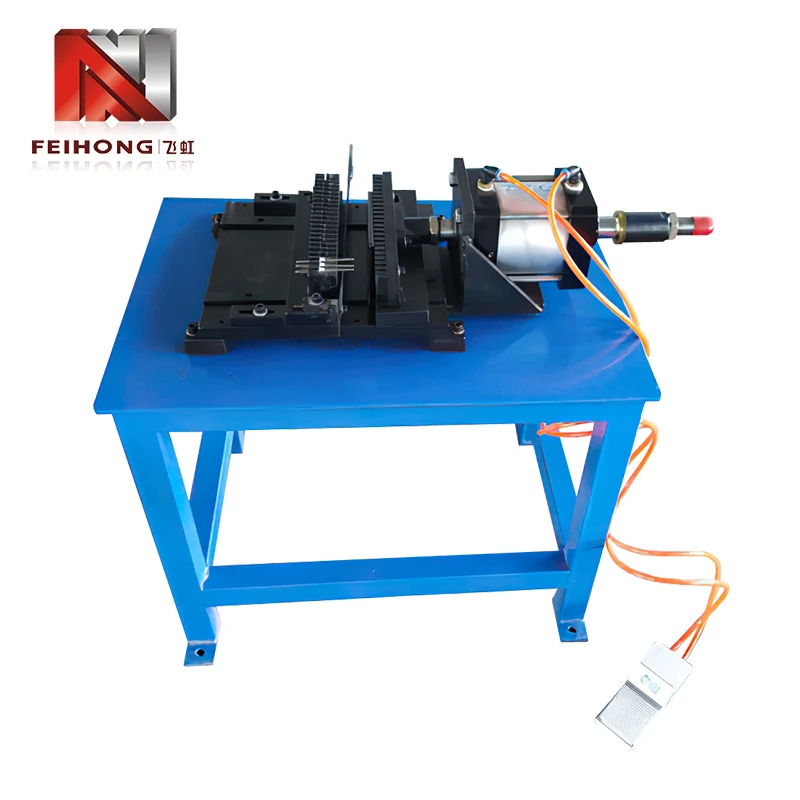
Hammering Round Pipe Shrinking Machine

Table of Contents


Roller Hammer Shrinking Overview

Roller hammer shrinking is a mechanical fabric finishing process designed to control shrinkage, enhance compactness, and stabilize textile structures. Unlike chemical or thermal methods, this process relies on repeated mechanical impacts delivered by hammer rollers that act directly on the fabric surface. The controlled action relaxes internal fiber tension while simultaneously compressing the textile structure.

This technology is commonly applied to wool, cotton, blended fabrics, and technical textiles where dimensional accuracy and surface uniformity are critical. Feihong has developed roller hammer shrinking machines that combine mechanical precision with operational stability to meet modern textile production requirements.


Key Manufacturing Pain Points

Textile manufacturers often face recurring quality and efficiency challenges when finishing fabrics without proper mechanical stabilization.

  • Excessive fabric shrinkage after washing or dyeing
  • Inconsistent width and length control
  • Uneven fabric density and surface appearance
  • Poor hand feel and lack of fabric fullness
  • High rejection rates in downstream garment production

Roller hammer shrinking directly addresses these pain points by delivering repeatable and measurable mechanical finishing results.


Working Principle of Roller Hammer Shrinking

The core principle of roller hammer shrinking is mechanical relaxation combined with controlled compression. During operation, fabric passes between rotating rollers equipped with hammer elements. These elements apply rhythmic mechanical force that causes fibers to reposition and settle into a more compact and stable configuration.

Key parameters influencing the process include roller speed, hammer frequency, applied pressure, fabric moisture level, and feed tension. Precise adjustment of these variables allows manufacturers to tailor the shrinking effect for different fabric types and performance targets.


Core Benefits for Fabric Performance

Implementing roller hammer shrinking delivers multiple performance improvements across textile products.

  • Significant reduction in residual shrinkage
  • Improved fabric density and dimensional stability
  • Enhanced surface smoothness and uniformity
  • Better hand feel and fabric fullness
  • Increased consistency between production batches

These benefits contribute to higher downstream processing efficiency and improved end-user satisfaction.


Typical Application Scenarios

Roller hammer shrinking is applied across a wide range of textile sectors where mechanical finishing quality is essential.

  • Wool and wool-blend fabric finishing
  • High-end garment textiles
  • Uniform and workwear materials
  • Technical and industrial fabrics
  • Pre-treatment before cutting and sewing

How to Choose the Right Machine

Selecting a roller hammer shrinking machine requires careful evaluation of production needs and fabric characteristics.

  • Fabric width range and thickness
  • Target shrinkage control standards
  • Production speed and throughput requirements
  • Adjustment flexibility and automation level
  • Machine durability and maintenance accessibility

Feihong designs roller hammer shrinking machines with modular configurations, allowing manufacturers to adapt equipment to evolving production demands.


Process Comparison Table

Process Type Primary Mechanism Shrinkage Control Typical Use
Roller Hammer Shrinking Mechanical impact and compression High precision Wool and high-quality fabrics
Steam Shrinking Thermal relaxation Moderate General fabric stabilization
Chemical Finishing Fiber bonding agents Variable Special performance textiles

Operational and Maintenance Considerations

Stable performance of roller hammer shrinking equipment depends on proper operation and maintenance practices.

  • Regular inspection of hammer rollers and bearings
  • Accurate calibration of pressure and speed settings
  • Consistent fabric moisture control
  • Scheduled lubrication and component replacement

Well-maintained machines ensure long service life and consistent shrinking performance across production cycles.


Frequently Asked Questions

What fabrics are suitable for roller hammer shrinking?
This process is especially effective for wool, cotton, blended fabrics, and dense textiles requiring dimensional stability.

Does roller hammer shrinking affect fabric strength?
When properly controlled, it enhances fabric structure without damaging fibers.

Can shrinkage levels be adjusted?
Yes. Operators can fine-tune pressure, speed, and hammer frequency to achieve desired results.

Is the process suitable for continuous production?
Yes. Roller hammer shrinking machines are designed for stable, high-throughput industrial operation.


Conclusion and Contact Us

Roller hammer shrinking is a proven mechanical finishing solution for improving fabric stability, appearance, and processing reliability. By addressing core shrinkage and consistency challenges, this process helps textile manufacturers reduce waste, enhance product quality, and meet demanding market standards.

Feihong delivers robust and efficient roller hammer shrinking machines engineered for long-term industrial performance. If you are seeking to optimize fabric finishing quality or upgrade your production line, contact us to explore how Feihong can provide tailored solutions to support your manufacturing goals.

Related News
Leave me a message
X
We use cookies to offer you a better browsing experience, analyze site traffic and personalize content. By using this site, you agree to our use of cookies. Privacy Policy
Reject Accept