News

How Does a Sheet Winder Improve Production Efficiency in Industrial Processing?

2026-03-16 0 Leave me a message

Article Summary

In modern manufacturing environments, maintaining product consistency and production speed is critical. Industries that process plastic sheets, metal sheets, film materials, or composite sheets rely on efficient winding systems to ensure materials are neatly rolled, properly tensioned, and ready for storage or transportation.

A Sheet Winder is a specialized industrial machine designed to collect continuous sheet materials and wind them into uniform rolls. This article explains how sheet winders work, their key structural components, technical advantages, and the common challenges manufacturers face without proper winding systems. It also explores how equipment solutions from Feihong help companies improve production stability and reduce material waste.

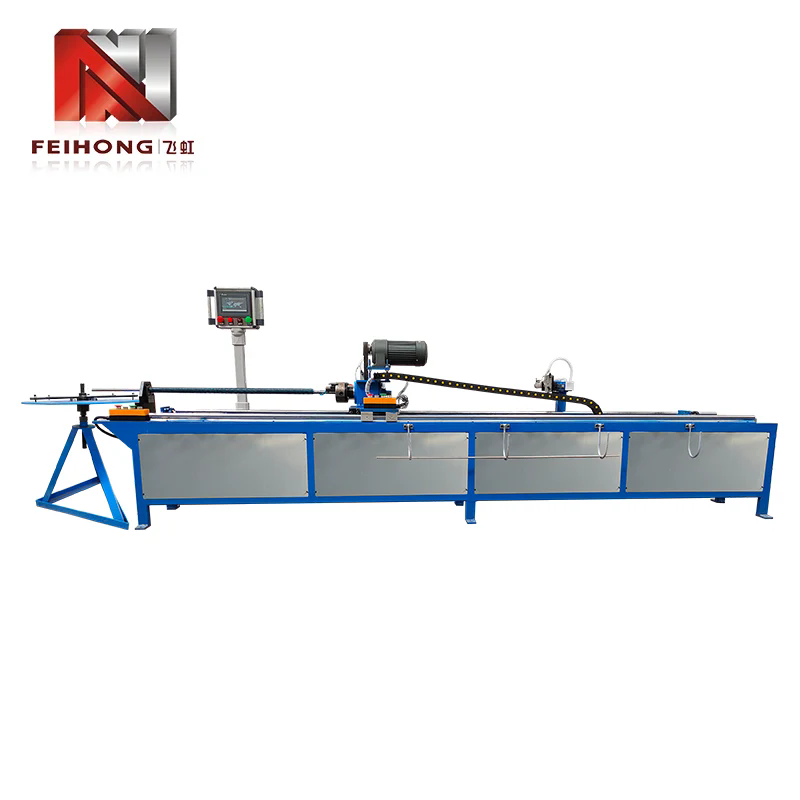
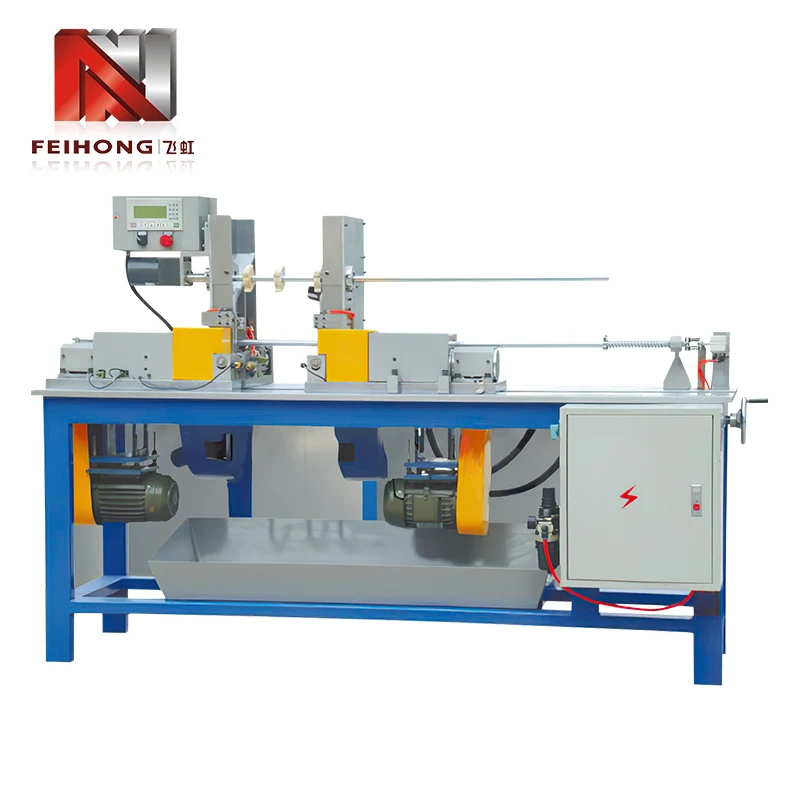
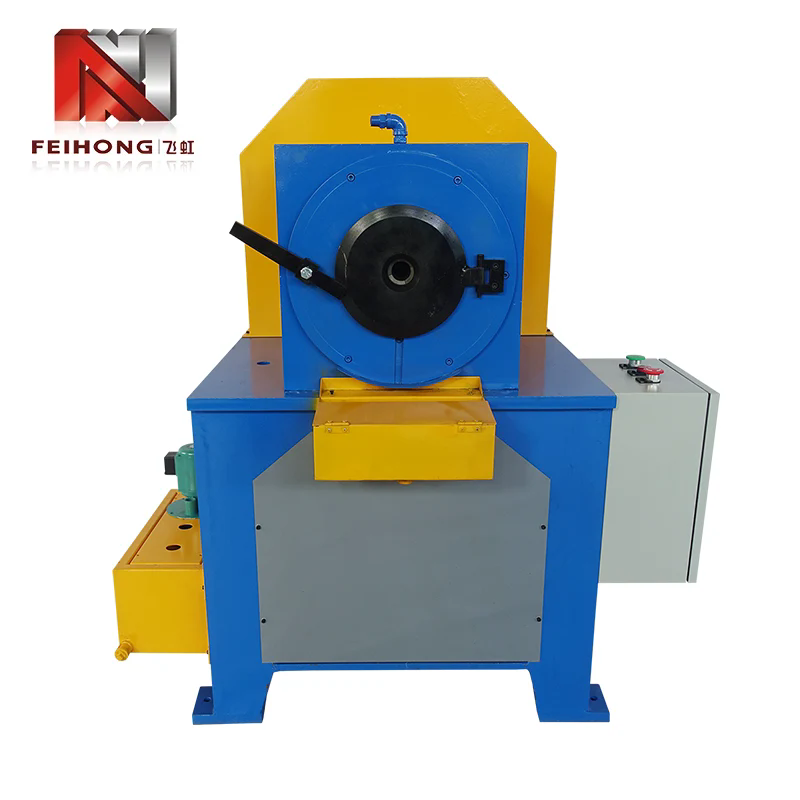
PLC Fin Winding Machine

Table of Contents

  • Understanding the Role of a Sheet Winder
  • How a Sheet Winder Operates in Industrial Production
  • Main Components of a Sheet Winding Machine
  • Key Advantages of Using a Sheet Winder
  • Typical Industrial Applications
  • Technical Parameters of a Sheet Winder
  • Common Problems Solved by Sheet Winders
  • How to Choose the Right Sheet Winder
  • Frequently Asked Questions
  • Conclusion

Understanding the Role of a Sheet Winder

A Sheet Winder is designed to collect flat materials that are produced continuously during industrial processes. These materials may come from extrusion lines, rolling mills, coating systems, or laminating equipment. Instead of allowing sheets to accumulate randomly, the winder carefully rolls them into organized coils.

Without a reliable winding system, manufacturers often face issues such as material wrinkles, uneven rolls, tension loss, or production interruptions. These problems not only affect product quality but also increase labor requirements and operating costs.

By integrating a properly designed winding machine, production lines can run smoothly while ensuring each roll maintains consistent diameter, tightness, and alignment.


How a Sheet Winder Operates in Industrial Production

The operation of a Sheet Winder follows a relatively straightforward but highly controlled mechanical process. The machine collects sheet materials from the upstream production line and winds them around a core shaft or mandrel.

The process typically involves the following stages:

  • Sheet material exits the main production line
  • The sheet passes through guiding rollers
  • Tension control systems regulate material stress
  • The sheet wraps around a rotating winding shaft
  • The roll diameter gradually increases until it reaches the preset size
  • The completed roll is removed and replaced with a new core

Modern winding systems incorporate automatic controls that monitor speed, tension, and roll diameter in real time. This ensures the winding quality remains stable even at high production speeds.


Main Components of a Sheet Winding Machine

A typical industrial Sheet Winder consists of several essential mechanical and control elements. Each component contributes to maintaining material alignment and roll stability.

Component Function
Unloading Frame Supports and holds the winding shaft during operation
Winding Shaft Acts as the core around which the sheet material is rolled
Tension Control System Maintains consistent tension to prevent wrinkles or slack
Guide Rollers Direct the sheet material smoothly toward the winding area
Drive Motor Provides rotational power for the winding process
Control Panel Allows operators to adjust speed, tension, and roll size

High-quality equipment manufacturers, such as Feihong, focus on optimizing these components to ensure stable operation and long equipment lifespan.


Key Advantages of Using a Sheet Winder

Manufacturers across multiple industries rely on sheet winding systems because they deliver several operational benefits.

  • Improved production efficiency by automating the winding process
  • Consistent roll quality with uniform tension and alignment
  • Reduced material waste caused by wrinkles or improper rolling
  • Lower labor requirements compared with manual handling
  • Enhanced storage and transportation due to neatly formed rolls

These advantages make sheet winders essential equipment in high-volume manufacturing facilities where continuous production is required.


Typical Industrial Applications

Sheet winding equipment is widely used across many industrial sectors where continuous sheet materials are produced.

  • Plastic sheet extrusion lines
  • Rubber sheet manufacturing
  • Metal foil processing
  • Composite material production
  • Packaging film manufacturing
  • Textile and nonwoven fabric processing

Because different materials require different tension levels and winding speeds, advanced machines offer adjustable parameters to meet varying production requirements.


Technical Parameters of a Sheet Winder

When selecting a sheet winding system, manufacturers should evaluate several technical specifications to ensure compatibility with their production line.

Parameter Typical Range
Winding Width 500 mm – 2500 mm
Maximum Roll Diameter 800 mm – 1500 mm
Operating Speed 20 – 200 meters per minute
Tension Control Accuracy ±3%
Drive System Servo motor or variable frequency motor
Control Method PLC automatic control system

These parameters vary depending on the material type and production requirements. Customized solutions are often provided for specialized industrial applications.


Common Problems Solved by Sheet Winders

Manufacturers frequently encounter several operational challenges when winding sheet materials manually or using outdated equipment. A modern Sheet Winder addresses many of these issues effectively.

  • Material wrinkles caused by inconsistent tension
  • Uneven roll edges that complicate packaging
  • Production interruptions during manual roll replacement
  • Material damage due to improper handling
  • Low productivity caused by slow winding speeds

By implementing automated winding technology, production lines achieve greater stability and reduce operational risks.


How to Choose the Right Sheet Winder

Selecting the correct sheet winding machine requires careful evaluation of production conditions and material characteristics.

Important factors include:

  • Material thickness and flexibility
  • Required winding width
  • Production line speed
  • Roll diameter requirements
  • Automation level
  • Maintenance and durability

Working with experienced manufacturers ensures that the equipment is properly configured for the intended industrial environment. Companies like Feihong provide customized solutions tailored to specific production lines.


Frequently Asked Questions

Q1: What materials can a Sheet Winder handle?

Sheet winders can process a wide variety of materials, including plastic sheets, rubber sheets, composite materials, aluminum foil, and flexible packaging films.

Q2: Can a Sheet Winder operate automatically?

Yes. Many modern systems feature automatic tension control, diameter detection, and PLC-based operation to minimize manual intervention.

Q3: What factors affect winding quality?

Winding quality depends on proper tension control, stable machine speed, accurate alignment, and suitable roll core selection.

Q4: Is customization available for different production lines?

Most industrial equipment suppliers provide customized winding solutions to match specific material properties and manufacturing processes.


Conclusion

Efficient handling of continuous sheet materials is essential for modern manufacturing operations. A high-performance Sheet Winder ensures materials are rolled with consistent tension, precise alignment, and minimal waste, significantly improving production efficiency.

With advanced design, reliable drive systems, and intelligent control technology, solutions provided by Feihong support manufacturers in optimizing their production lines and achieving stable long-term performance.

If your production process requires reliable sheet winding equipment or customized industrial machinery solutions, contact us to learn how our technical team can help you improve productivity and achieve better operational results.

Related News
Leave me a message
X
We use cookies to offer you a better browsing experience, analyze site traffic and personalize content. By using this site, you agree to our use of cookies. Privacy Policy
Reject Accept