News

How Does a Roller Hammer Shrinking Machine Improve Metal Forming Accuracy?

2026-02-05 0 Leave me a message

Abstract

A Roller Hammer Shrinking Machine is a specialized metal forming solution designed to reduce tube or pipe diameters with high precision while maintaining material integrity. It is widely applied in automotive components, metal furniture, hardware fittings, and industrial tubing where consistency, surface quality, and production efficiency are critical. This article provides a comprehensive explanation of how a Roller Hammer Shrinking Machine works, the problems it solves for manufacturers, key technical features to evaluate, and how to select the right model for long-term operational value.

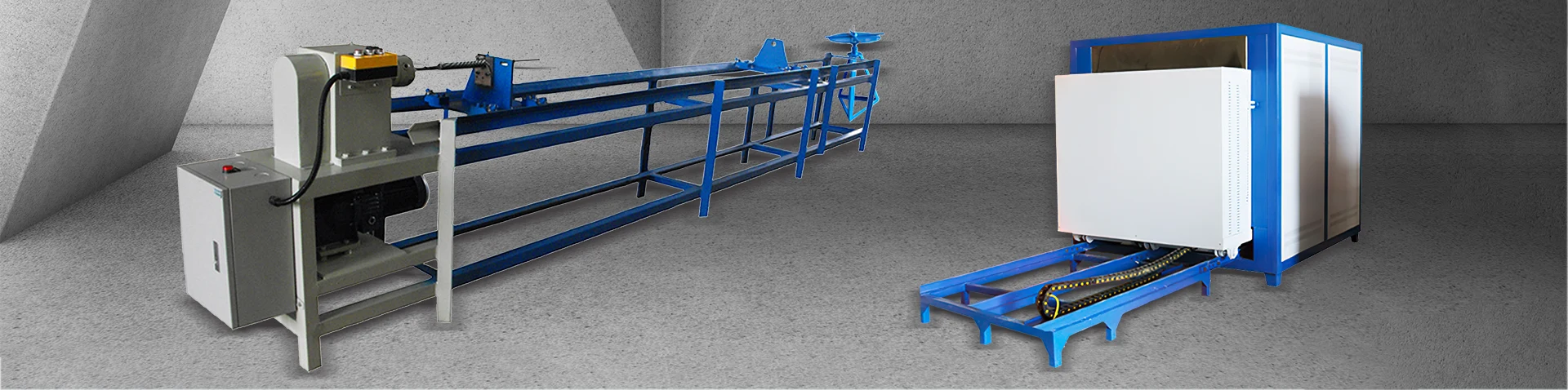
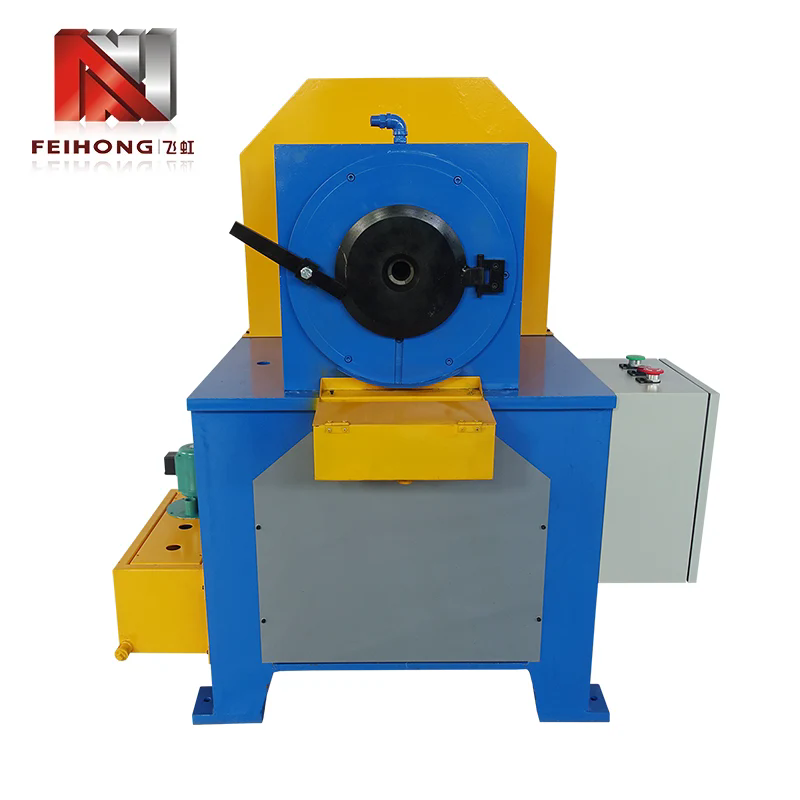
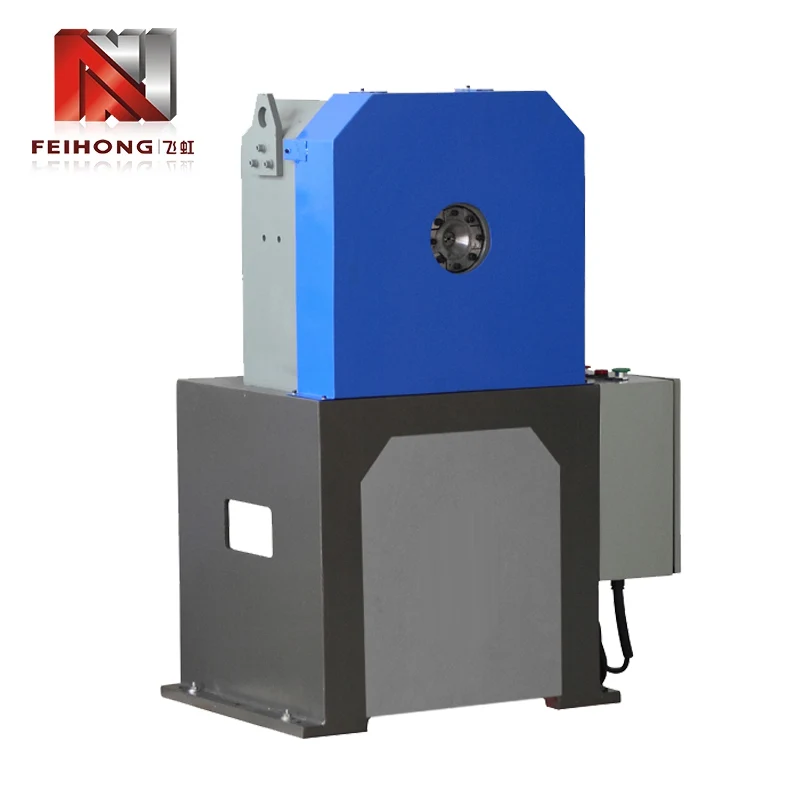
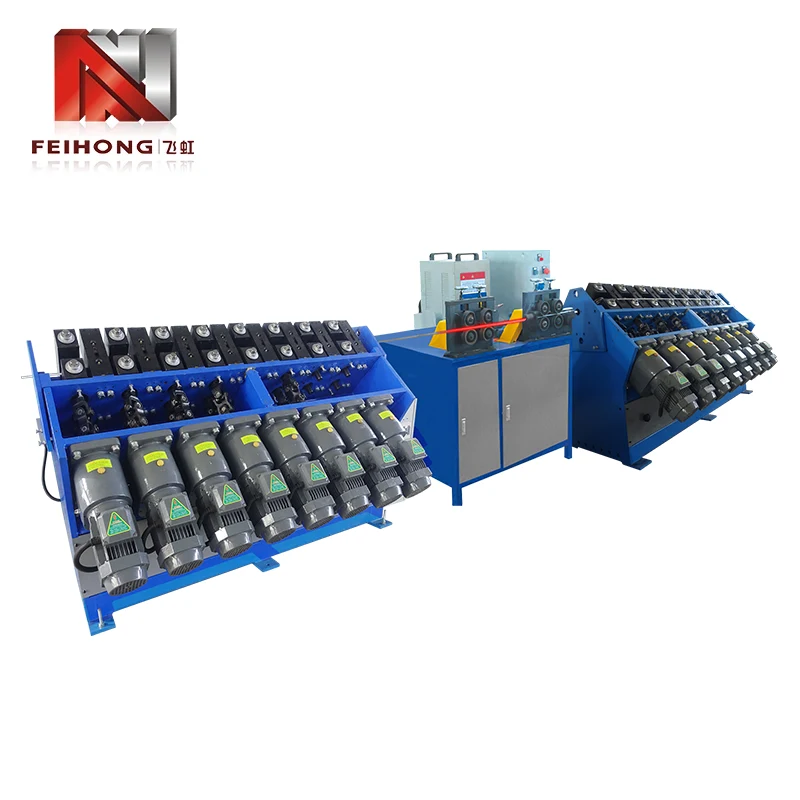
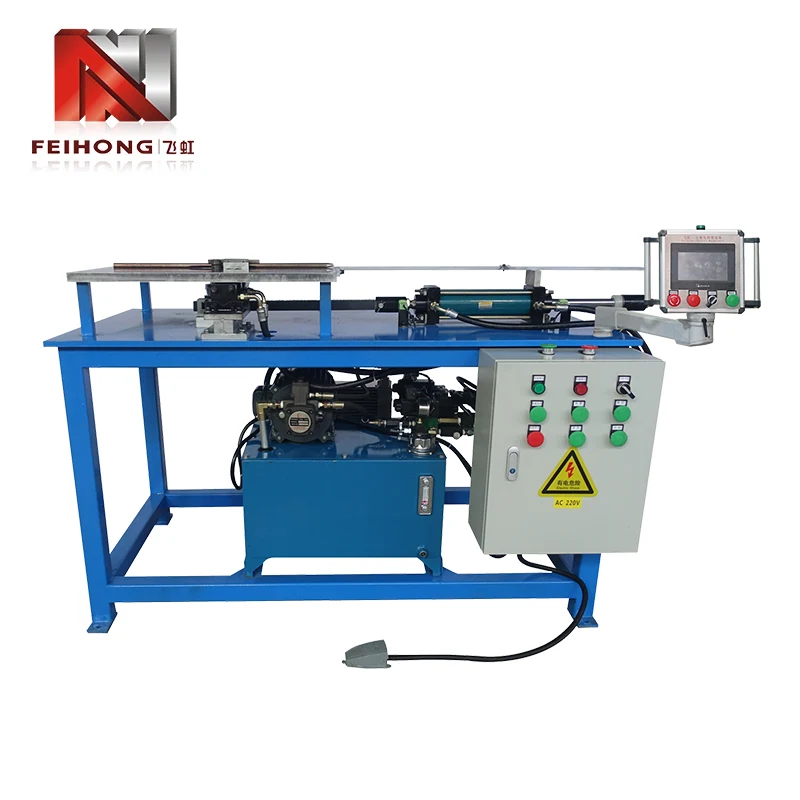
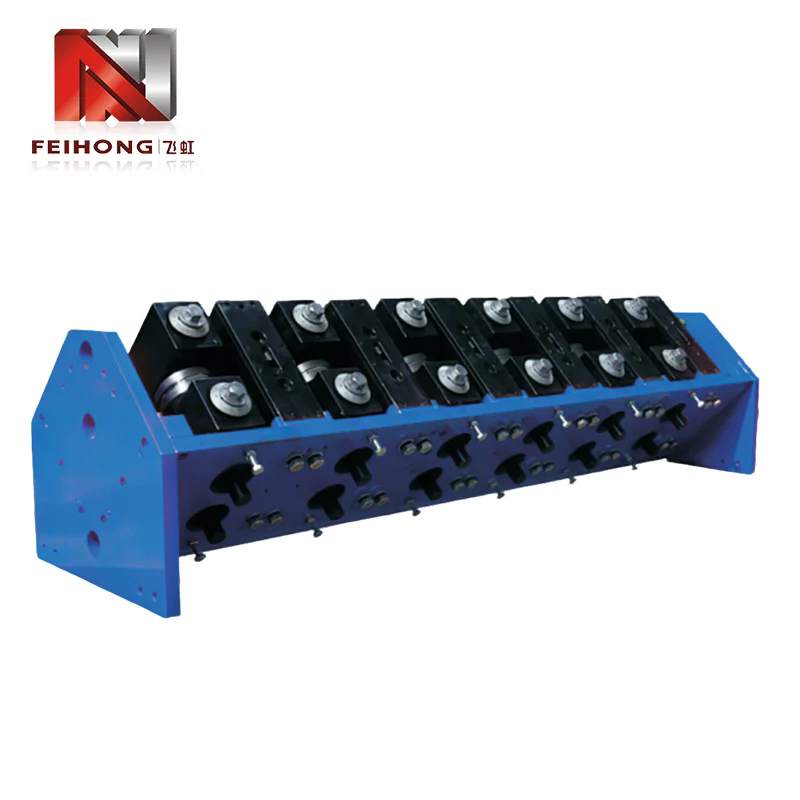
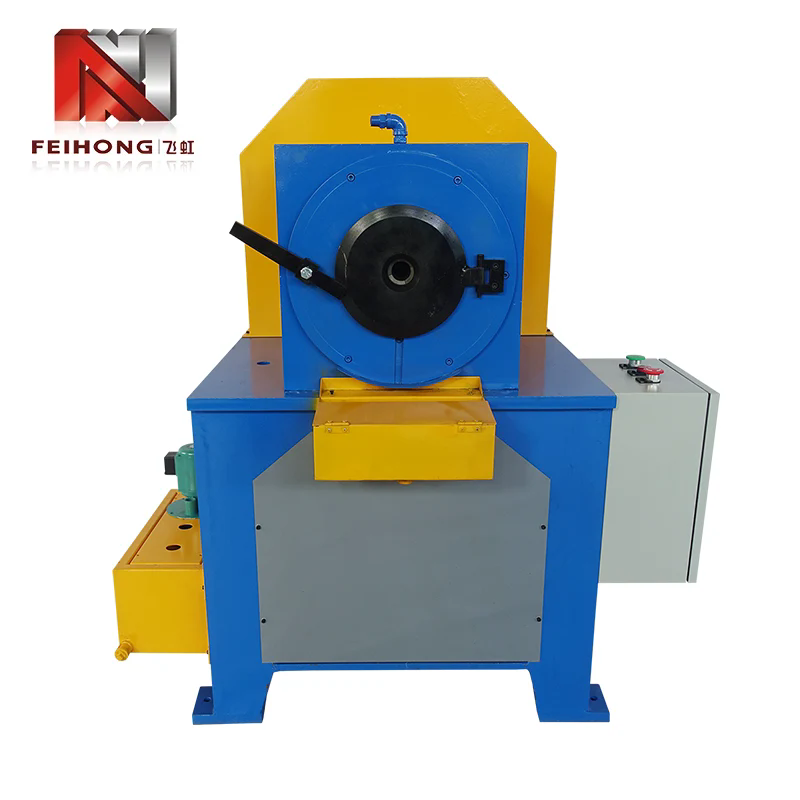
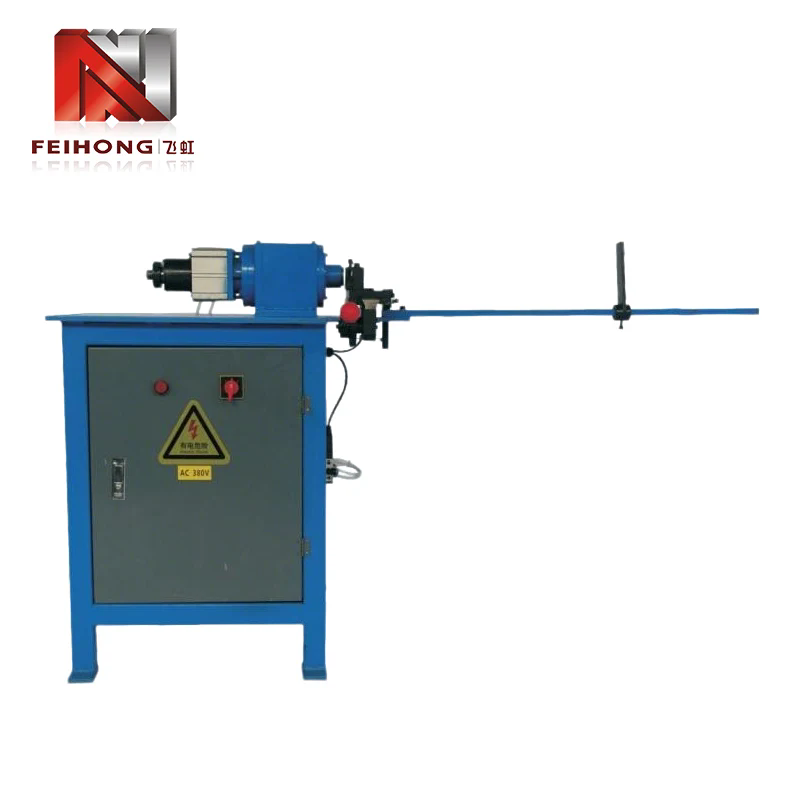
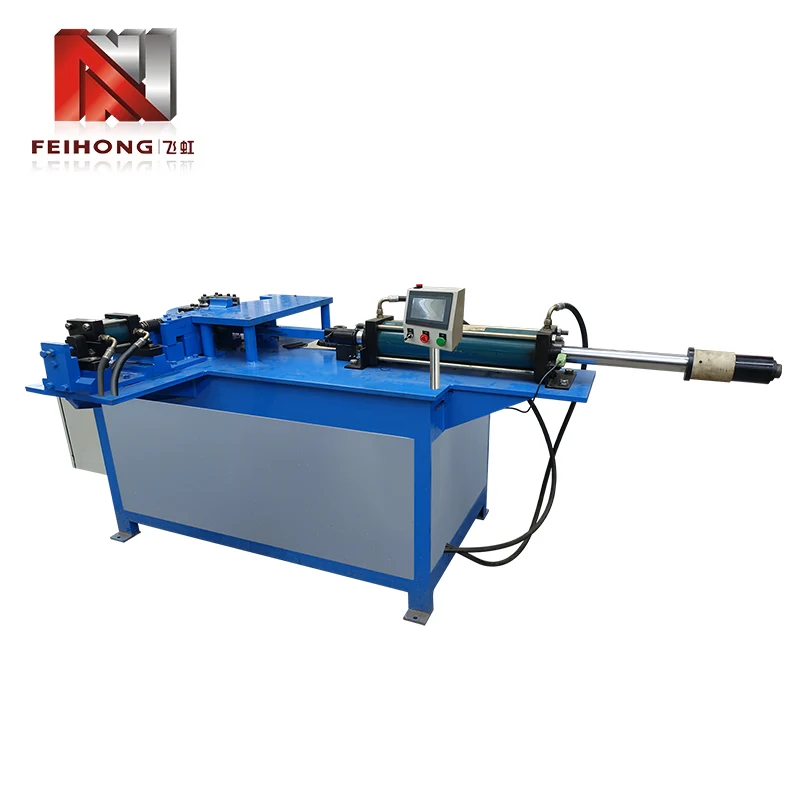
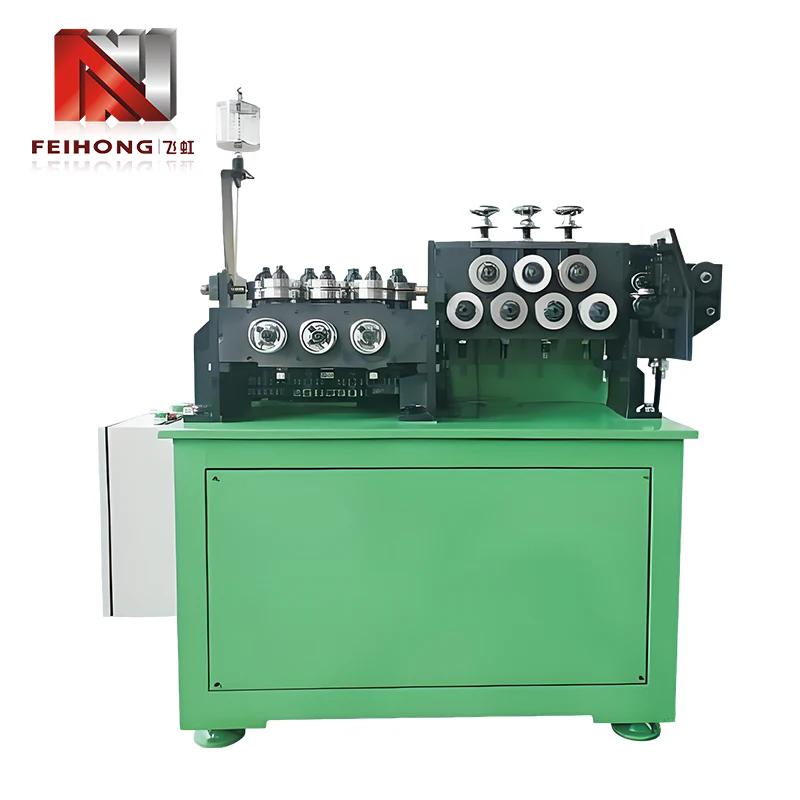
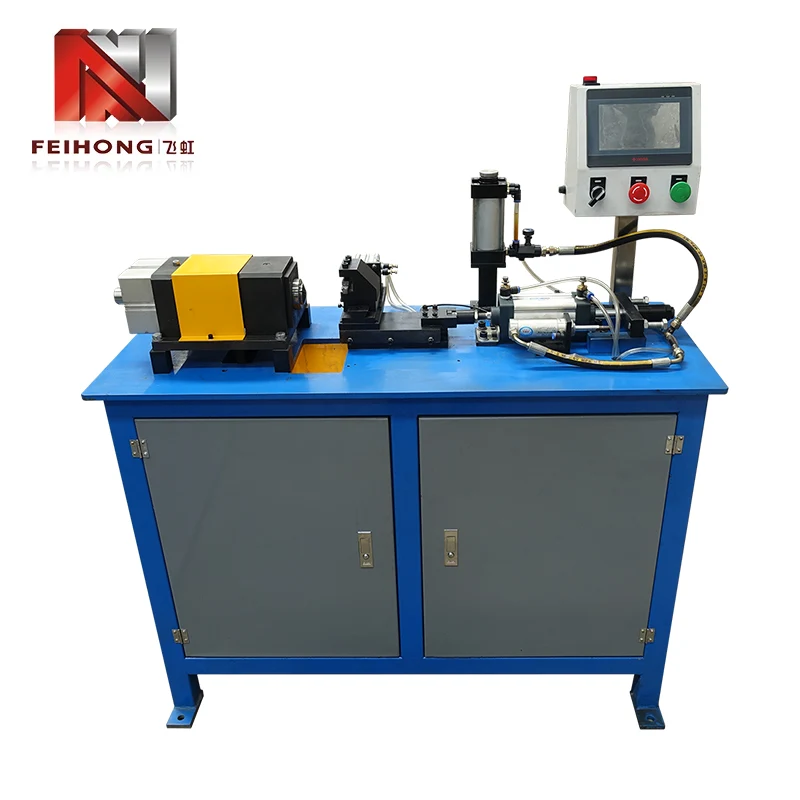
Hammering Round Pipe Shrinking Machine


Table of Contents

  • Overview of Roller Hammer Shrinking Machines
  • Common Manufacturing Challenges in Tube Shrinking
  • How a Roller Hammer Shrinking Machine Works
  • Key Structural Components Explained
  • Advantages Compared with Traditional Shrinking Methods
  • Application Scenarios Across Industries
  • Technical Parameters and Configuration Options
  • Operation, Safety, and Maintenance Considerations
  • How to Choose the Right Machine for Your Production Line
  • Frequently Asked Questions

Outline

  • Definition and working principle
  • Customer pain points and efficiency bottlenecks
  • Mechanical structure and control logic
  • Performance benefits and quality improvements
  • Industry applications and scalability
  • Selection criteria and long-term value

Overview of Roller Hammer Shrinking Machines

A Roller Hammer Shrinking Machine is an industrial forming device used to shrink the end or middle section of metal tubes through controlled radial hammering combined with rolling motion. Unlike cutting or welding processes, this method reshapes material through cold forming, preserving strength and improving dimensional accuracy.

Manufacturers rely on this technology when they need repeatable results, smooth surface finishes, and reduced material waste. Machines developed by companies such as Feihong are engineered to meet modern production demands, balancing durability with operational flexibility.


Common Manufacturing Challenges in Tube Shrinking

Before adopting a Roller Hammer Shrinking Machine, many manufacturers face recurring issues that impact productivity and product quality:

  • Inconsistent shrinking dimensions across batches
  • Surface cracks caused by uneven force distribution
  • Low efficiency from manual or semi-automatic processes
  • High material waste due to trial-and-error adjustments
  • Difficulty processing different tube diameters and materials

These challenges increase production costs and limit scalability, particularly in high-volume or precision-driven industries.


How a Roller Hammer Shrinking Machine Works

The working principle is based on synchronized hammering and rolling action. Multiple hardened rollers rotate at high speed while applying uniform radial force to the tube surface. As the rollers move along the circumference, the tube diameter is gradually reduced to the required specification.

This incremental forming approach ensures stress is evenly distributed, minimizing deformation defects. Advanced machines use adjustable stroke lengths and pressure settings, allowing operators to fine-tune the shrinking process for different materials such as carbon steel, stainless steel, aluminum, or copper alloys.


Key Structural Components Explained

A typical Roller Hammer Shrinking Machine consists of several core components working together:

  • Hammer Roller Assembly: Provides uniform impact and rolling force
  • Main Spindle: Ensures stable rotation and alignment
  • Hydraulic or Servo System: Controls pressure and movement accuracy
  • Control Panel: Enables parameter adjustment and monitoring
  • Frame Structure: Maintains rigidity and vibration resistance

High-quality structural design directly affects machine lifespan, forming precision, and operational safety.


Advantages Compared with Traditional Shrinking Methods

When compared to pressing, cutting, or thermal shrinking techniques, a Roller Hammer Shrinking Machine offers measurable advantages:

  • Improved dimensional consistency
  • Reduced risk of surface damage
  • Lower energy consumption due to cold forming
  • Shorter setup and cycle times
  • Adaptability to multiple tube specifications

These benefits make the technology suitable for both small-batch customization and continuous mass production.


Application Scenarios Across Industries

Roller Hammer Shrinking Machines are used in a wide range of industrial sectors:

  • Automotive exhaust and structural components
  • Metal furniture frames and fittings
  • Construction hardware and scaffolding parts
  • Fitness equipment and sports goods
  • Industrial pipe and tube assemblies

The versatility of the machine allows manufacturers to expand product lines without major equipment changes.


Technical Parameters and Configuration Options

Parameter Typical Range
Tube Diameter Range 10 mm – 100 mm (customizable)
Wall Thickness 0.5 mm – 4.0 mm
Power Supply 380V / 50Hz or customized
Control Type Hydraulic or Servo Control
Production Mode Semi-automatic or Fully Automatic

Operation, Safety, and Maintenance Considerations

Proper operation starts with accurate parameter setup and secure tube positioning. Operators should follow standardized procedures to ensure consistent results. Routine maintenance, including lubrication and roller inspection, helps prevent downtime and extends service life.

Modern machines integrate safety features such as emergency stops, overload protection, and enclosed forming zones, ensuring compliance with industrial safety standards.


How to Choose the Right Machine for Your Production Line

Selecting the right Roller Hammer Shrinking Machine depends on production volume, material type, and precision requirements. Manufacturers should evaluate:

  • Maximum and minimum tube specifications
  • Automation level and integration needs
  • Stability of the mechanical structure
  • After-sales support and technical service capability

Working with experienced manufacturers such as Feihong helps ensure the equipment aligns with both current production goals and future expansion plans.


Frequently Asked Questions

Can one machine handle different tube materials?
Yes. By adjusting pressure and roller configuration, the machine can process various metals without compromising quality.

Does shrinking affect tube strength?
Cold forming enhances structural density, often improving strength in the shrunk area.

Is operator training required?
Basic training is recommended to ensure safe operation and optimal parameter settings.


Conclusion

A Roller Hammer Shrinking Machine is a strategic investment for manufacturers seeking precision, efficiency, and consistency in metal tube forming. With robust engineering, flexible configurations, and reliable performance, solutions from Feihong support a wide range of industrial applications. To explore how this technology can enhance your production capabilities and reduce operational bottlenecks, contact us today for professional guidance and customized solutions.

Related News
Leave me a message
X
We use cookies to offer you a better browsing experience, analyze site traffic and personalize content. By using this site, you agree to our use of cookies. Privacy Policy
Reject Accept