News

How Does a Pipe Filling Machine Improve Production Efficiency and Accuracy?

2026-03-09 0 Leave me a message

Article Summary

A pipe filling machine is widely used in industries such as cosmetics, pharmaceuticals, chemicals, and food processing to accurately fill creams, gels, pastes, and viscous liquids into tubes or pipes. Many manufacturers struggle with inconsistent filling volumes, product waste, slow production speed, and hygiene concerns when using manual or outdated equipment. This article explains how a pipe filling machine works, the key features that improve production efficiency, important technical parameters to consider, and how to select the right system for your factory. By understanding these aspects, manufacturers can improve product quality, reduce operational costs, and maintain consistent packaging standards.

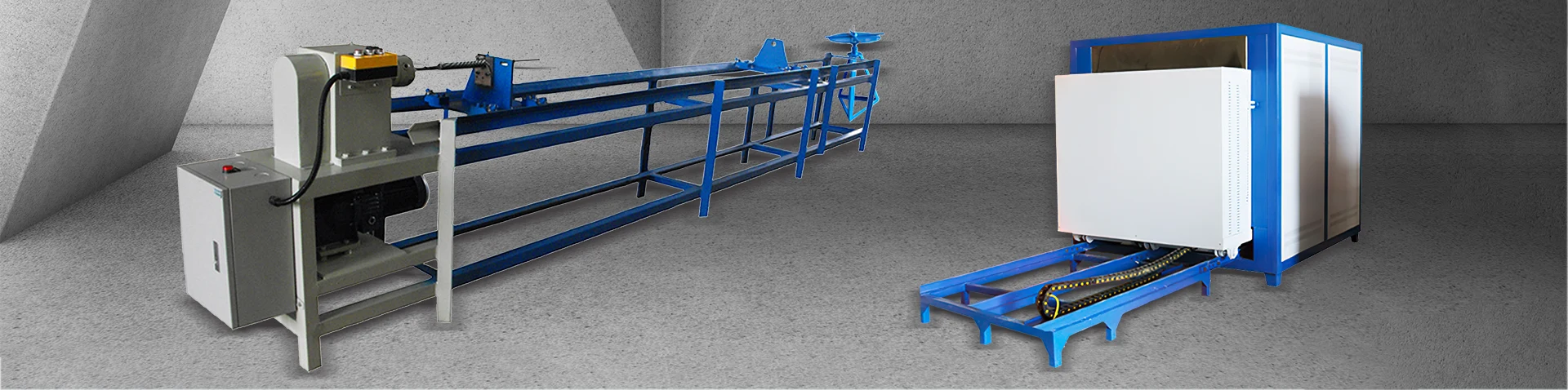
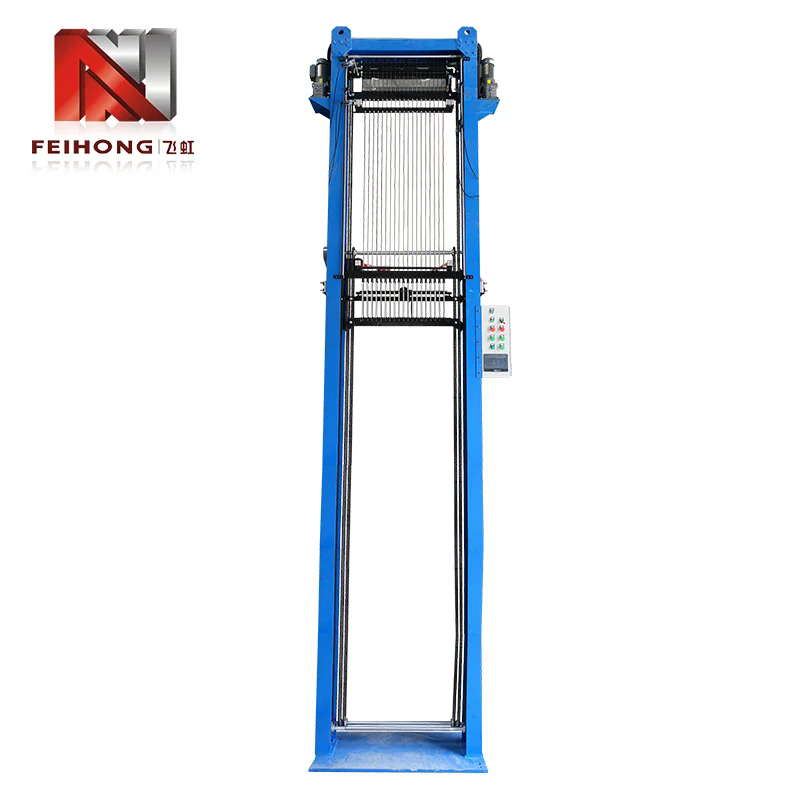
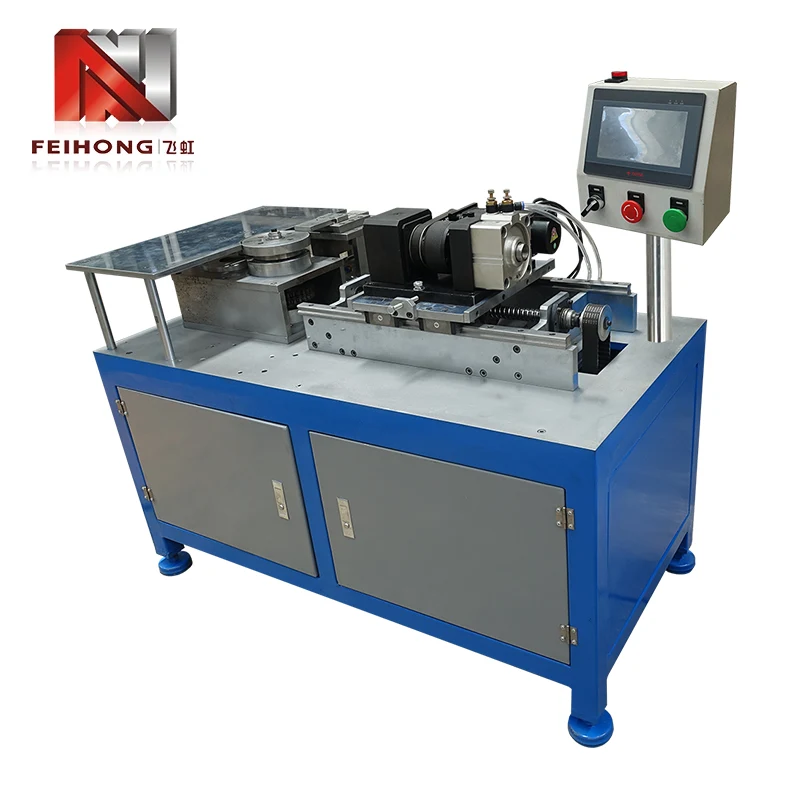
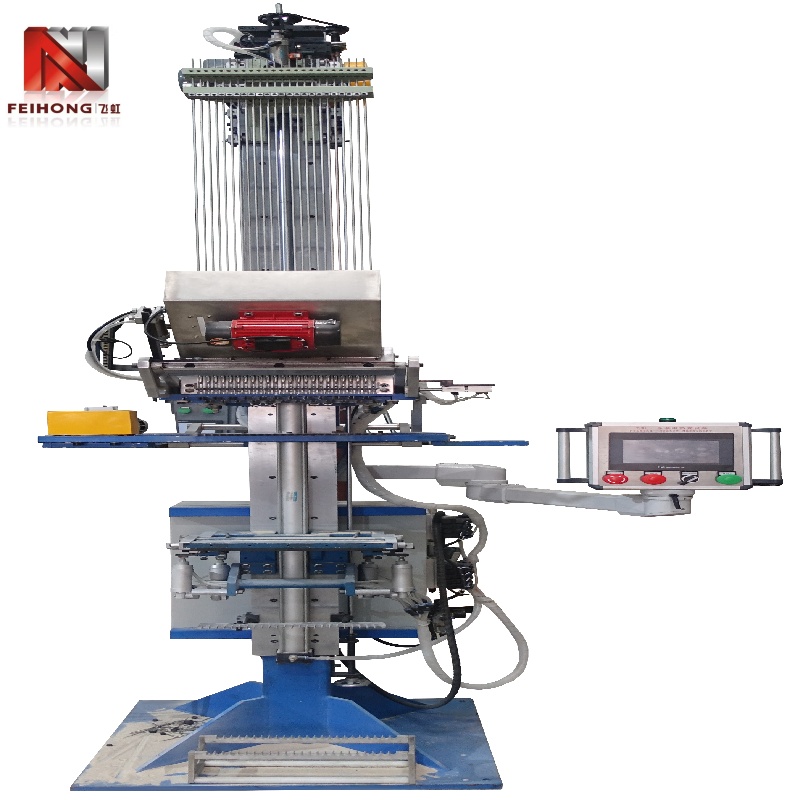
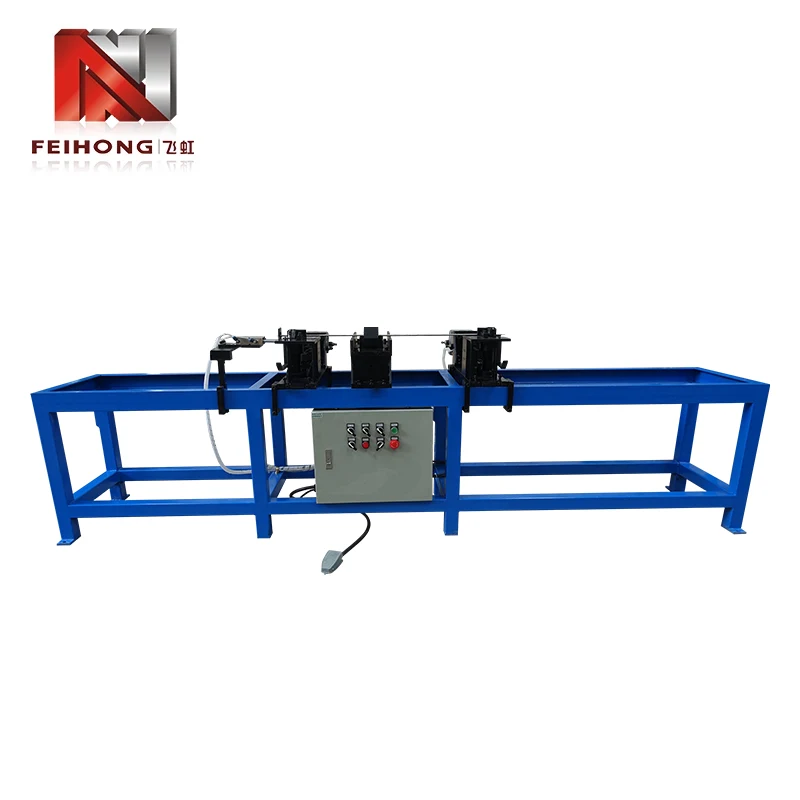
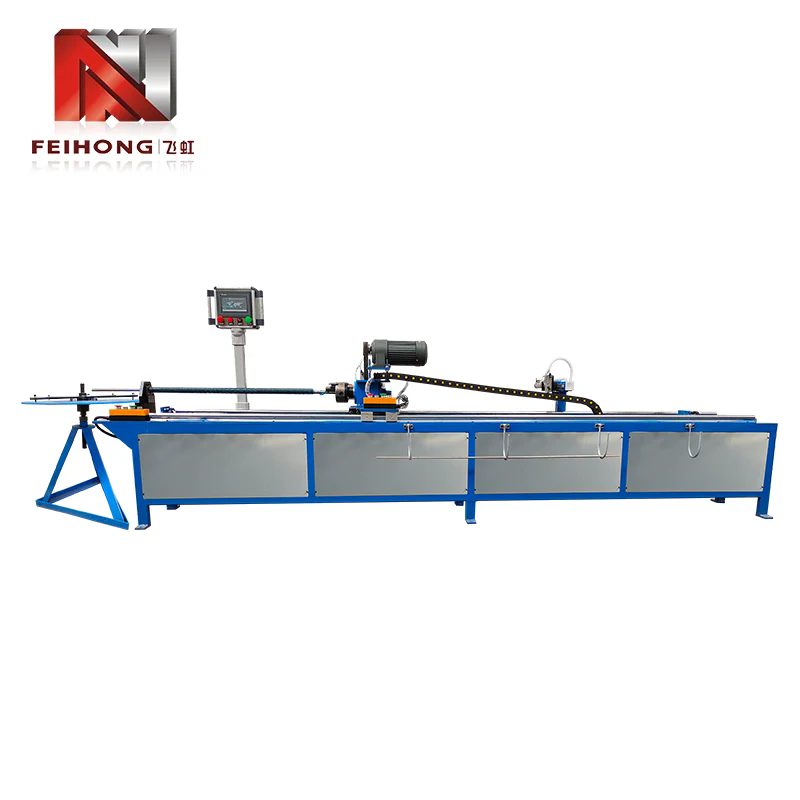
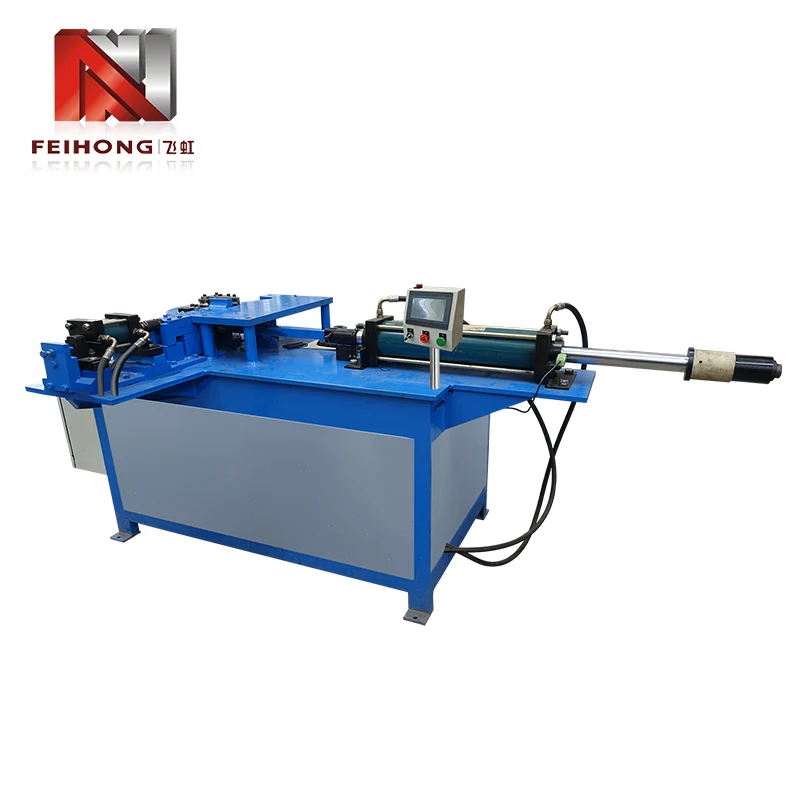
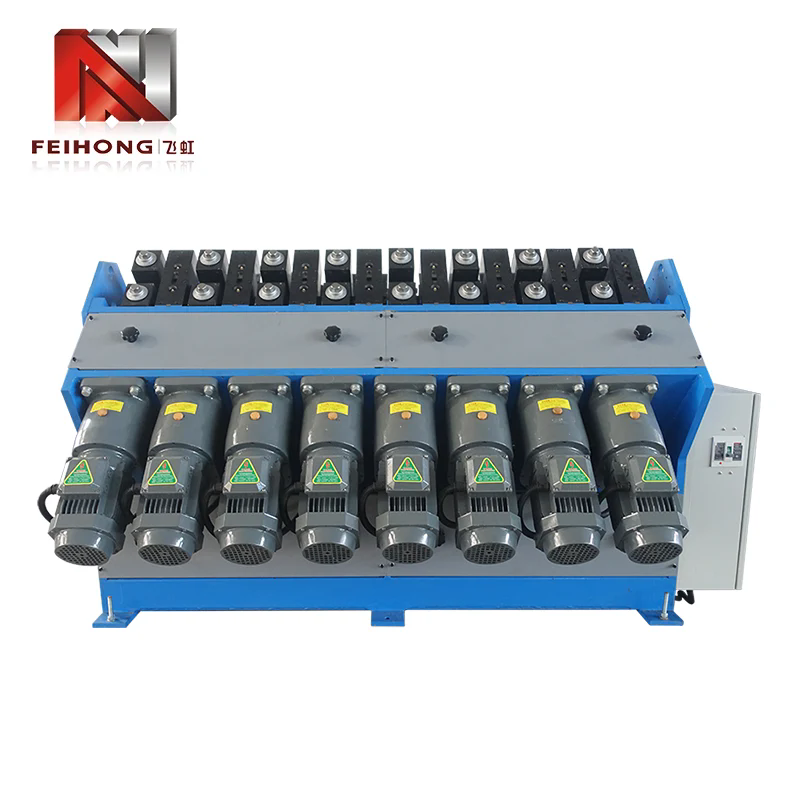
Magnesium Oxide Powder Flat Tube Filling Machine

Table of Contents

  • Understanding Pipe Filling Machines
  • Common Production Challenges Without Automated Filling
  • How a Pipe Filling Machine Works
  • Key Components of a Pipe Filling System
  • Typical Technical Parameters
  • Industries That Use Pipe Filling Machines
  • Benefits of Using Automated Pipe Filling Equipment
  • How to Choose the Right Pipe Filling Machine
  • Maintenance and Operational Best Practices
  • Frequently Asked Questions
  • Conclusion

Understanding Pipe Filling Machines

A pipe filling machine is an automated packaging solution designed to fill tubes or pipes with semi-liquid or viscous products. These products often include creams, gels, ointments, adhesives, toothpaste, food pastes, and industrial compounds.

Instead of relying on manual filling, which often results in inaccurate volumes and inconsistent packaging, automated filling systems use precision pumps and control systems to deliver exact quantities into each container. The result is higher productivity, cleaner production conditions, and better product consistency.

Modern equipment from manufacturers such as Feihong integrates filling, sealing, coding, and trimming functions into a single machine, making it suitable for continuous industrial production lines.


Common Production Challenges Without Automated Filling

Many manufacturers begin production using manual or semi-manual filling methods. While this may work for small-scale production, several problems quickly emerge as demand increases.

  • Inconsistent filling volume between products
  • High product waste due to spills and overfilling
  • Slow production speed limiting output
  • Difficulty maintaining hygienic standards
  • Higher labor costs and operator fatigue
  • Uneven sealing that affects product shelf life

These issues not only reduce operational efficiency but also affect brand reputation and product quality. Automated pipe filling machines address these challenges by introducing precision control and repeatable processes.


How a Pipe Filling Machine Works

The working principle of a pipe filling machine involves several coordinated stages that ensure accurate and hygienic product packaging.

1. Tube Loading

Empty tubes are placed into holders or fed automatically through a tube feeding system. Proper alignment ensures accurate filling.

2. Product Filling

A precision pump injects the required amount of product into each tube. The filling volume is controlled by programmable settings that maintain consistent dosing.

3. Tube Heating or Sealing Preparation

Depending on the material of the tube, heat or ultrasonic technology prepares the tube end for sealing.

4. Sealing Process

The machine seals the tube to prevent leakage and contamination. Sealing methods include heat sealing, ultrasonic sealing, or crimp sealing.

5. Coding and Trimming

Batch numbers, production dates, or logos may be printed before the machine trims the sealed edge for a clean appearance.

These steps occur continuously in automated equipment, enabling high-speed production without sacrificing accuracy.


Key Components of a Pipe Filling System

Understanding the core components of a pipe filling machine helps manufacturers evaluate equipment quality and performance.

  • Tube feeding mechanism
  • Precision filling pump
  • Servo control system
  • Heating or ultrasonic sealing unit
  • Automatic trimming system
  • PLC control panel
  • Stainless steel contact surfaces

High-quality machines often use food-grade stainless steel materials and programmable control systems that ensure hygiene and easy operation.


Typical Technical Parameters

The technical specifications of a pipe filling machine vary depending on production capacity and product characteristics. The table below shows typical parameters for industrial machines.

Parameter Typical Specification
Filling Capacity 10 – 250 ml per tube
Production Speed 30 – 120 tubes per minute
Tube Material Plastic, laminated, aluminum
Filling Accuracy ±1%
Power Supply 220V / 380V
Control System PLC with touch screen interface
Machine Material Stainless steel

Machines developed by companies such as Feihong are designed to meet industrial production demands while maintaining high filling precision and operational stability.


Industries That Use Pipe Filling Machines

Pipe filling technology is essential across multiple industries that require hygienic and accurate packaging for viscous products.

Cosmetics Industry

  • Facial creams
  • Lotions
  • Hand creams
  • Beauty gels

Pharmaceutical Industry

  • Medical ointments
  • Antibiotic creams
  • Topical gels

Food Industry

  • Chocolate paste
  • Honey products
  • Condiments

Chemical Industry

  • Adhesives
  • Lubricants
  • Industrial sealants

Each industry requires precise dosing, hygienic handling, and reliable sealing to maintain product integrity.


Benefits of Using Automated Pipe Filling Equipment

Automated filling technology offers several advantages compared with manual packaging methods.

  • Improved filling accuracy
  • Higher production speed
  • Reduced product waste
  • Consistent packaging appearance
  • Lower labor requirements
  • Improved hygiene and contamination control
  • Reliable sealing for longer shelf life

These advantages allow manufacturers to scale production while maintaining strict quality control.


How to Choose the Right Pipe Filling Machine

Selecting the right machine requires careful evaluation of several technical and operational factors.

1. Product Viscosity

Thicker products require stronger pumps and specialized filling nozzles.

2. Production Capacity

Factories with large-scale production demands should choose high-speed automated machines.

3. Tube Material

Different sealing technologies are required for plastic, laminated, or aluminum tubes.

4. Automation Level

Fully automatic machines reduce labor costs and improve efficiency.

5. Maintenance Accessibility

Machines should allow easy cleaning, part replacement, and routine maintenance.

Working with experienced manufacturers helps ensure the equipment matches the production environment and product requirements.


Maintenance and Operational Best Practices

Regular maintenance is essential to maintain machine performance and extend equipment lifespan.

  • Clean filling nozzles after each production cycle
  • Inspect seals and moving parts regularly
  • Calibrate filling volumes periodically
  • Use compatible product materials to avoid clogging
  • Train operators on proper machine settings

Following these practices ensures stable operation and minimizes unexpected downtime.


Frequently Asked Questions

Q1: What products can a pipe filling machine handle?

Pipe filling machines are designed for viscous or semi-liquid products such as creams, gels, ointments, adhesives, and food pastes.

Q2: How accurate is the filling process?

Most modern machines provide filling accuracy within ±1%, depending on the product type and machine configuration.

Q3: Can one machine handle different tube sizes?

Yes. Many machines allow quick adjustment or changeover parts to accommodate different tube diameters and capacities.

Q4: Is automatic cleaning available?

Some advanced systems include cleaning-in-place features that simplify maintenance and improve hygiene.


Conclusion

A pipe filling machine plays a critical role in modern packaging operations by ensuring accurate filling, reliable sealing, and high production efficiency. Whether used in cosmetics, pharmaceuticals, food processing, or industrial chemical production, automated filling equipment significantly improves product consistency while reducing operational costs.

Manufacturers looking to expand production capacity and improve packaging quality often rely on advanced filling solutions developed by companies such as Feihong. With reliable engineering and precise control systems, these machines support efficient and hygienic packaging processes across multiple industries.

If your production line requires higher accuracy, faster output, and dependable tube packaging technology, now is the time to upgrade your equipment. Contact us today to learn more about professional pipe filling solutions and discover how the right system can transform your manufacturing efficiency.

Related News
Leave me a message
X
We use cookies to offer you a better browsing experience, analyze site traffic and personalize content. By using this site, you agree to our use of cookies. Privacy Policy
Reject Accept