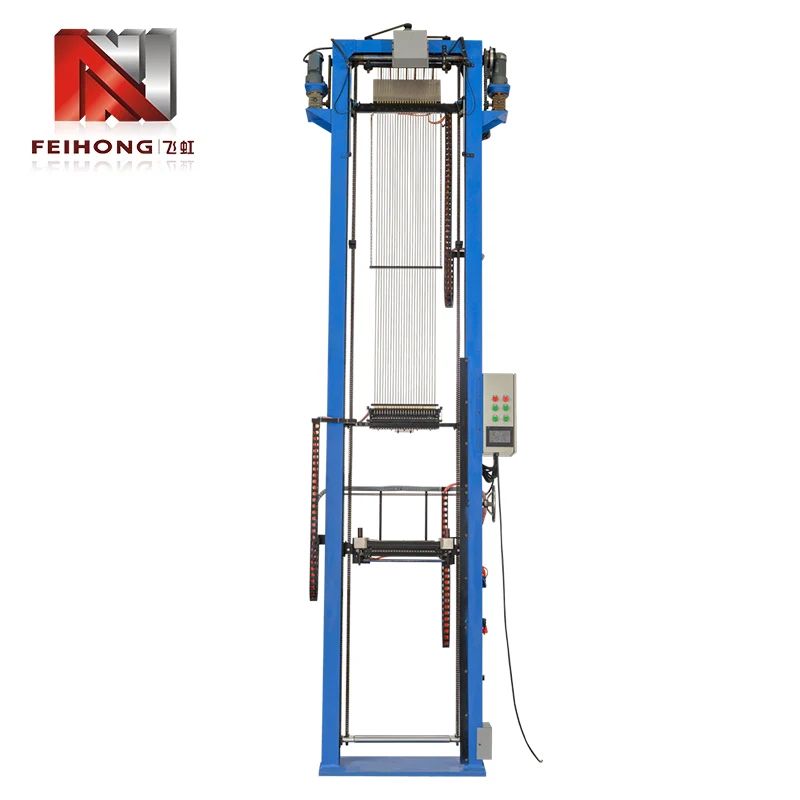
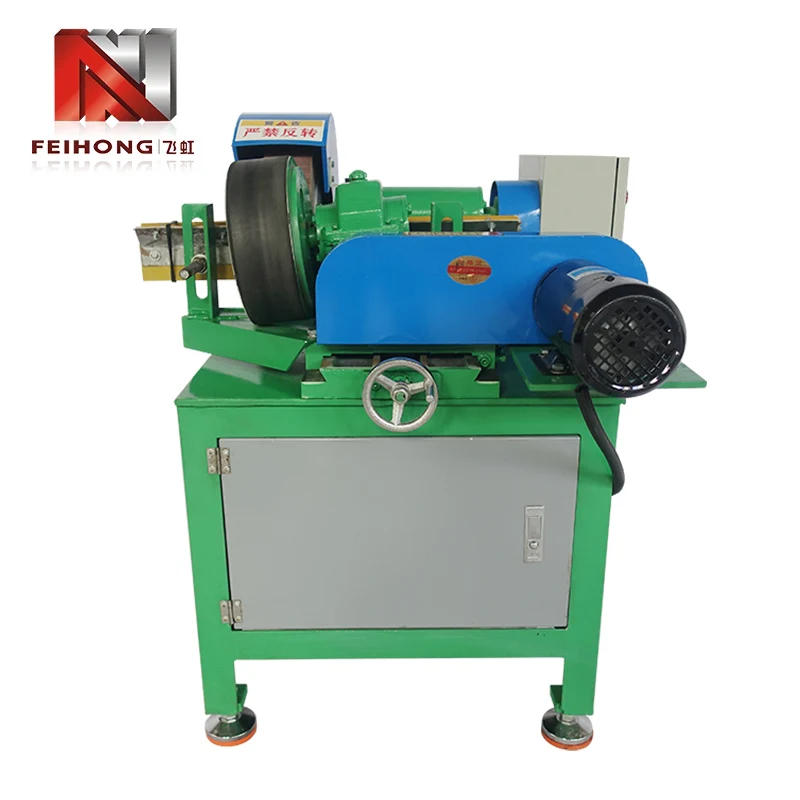
Manual Load Heat Pipe Spot Welding Machine
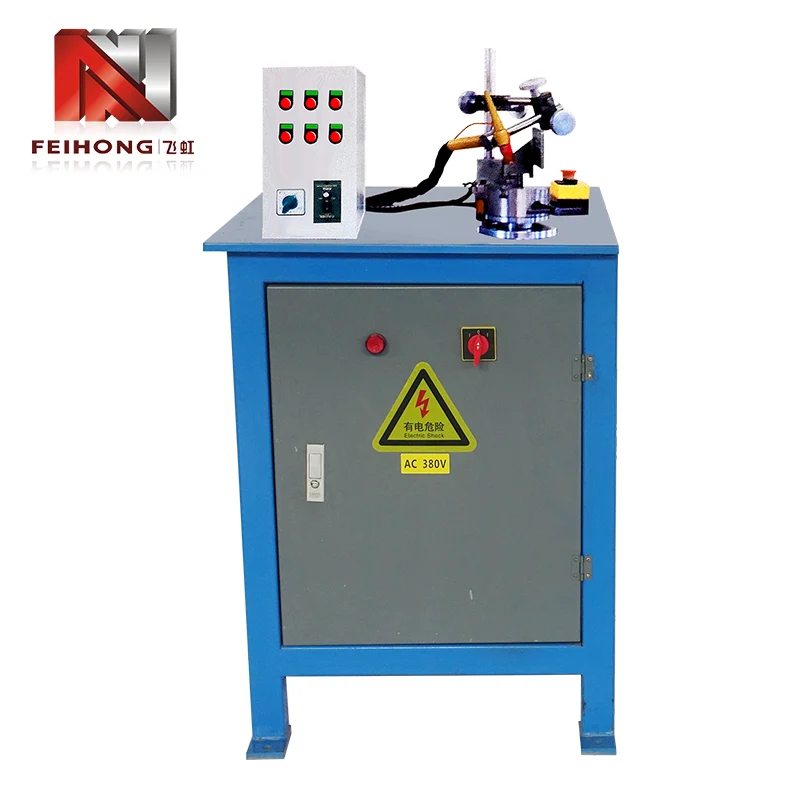
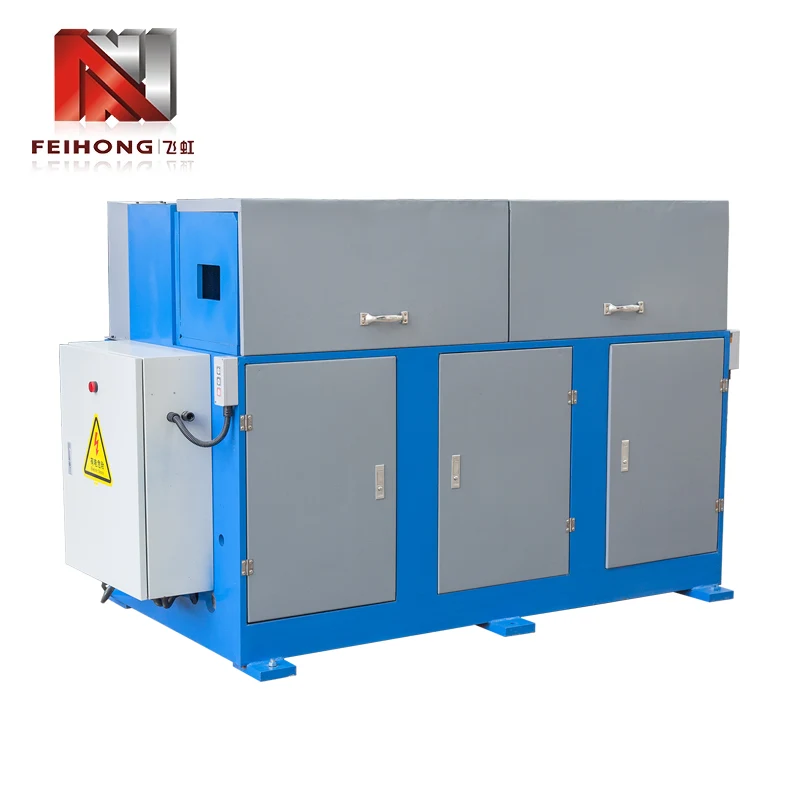
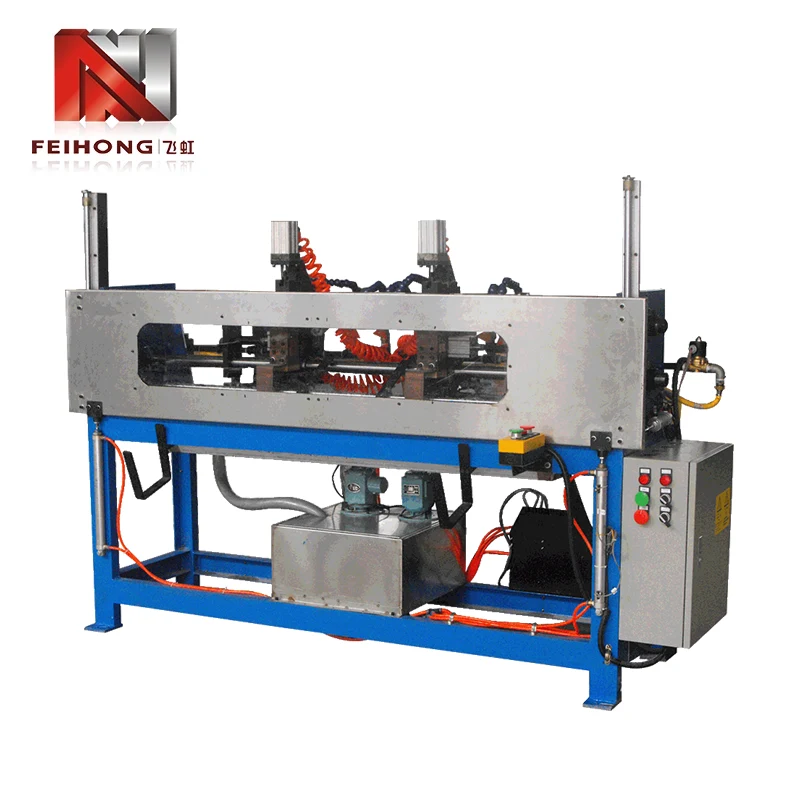
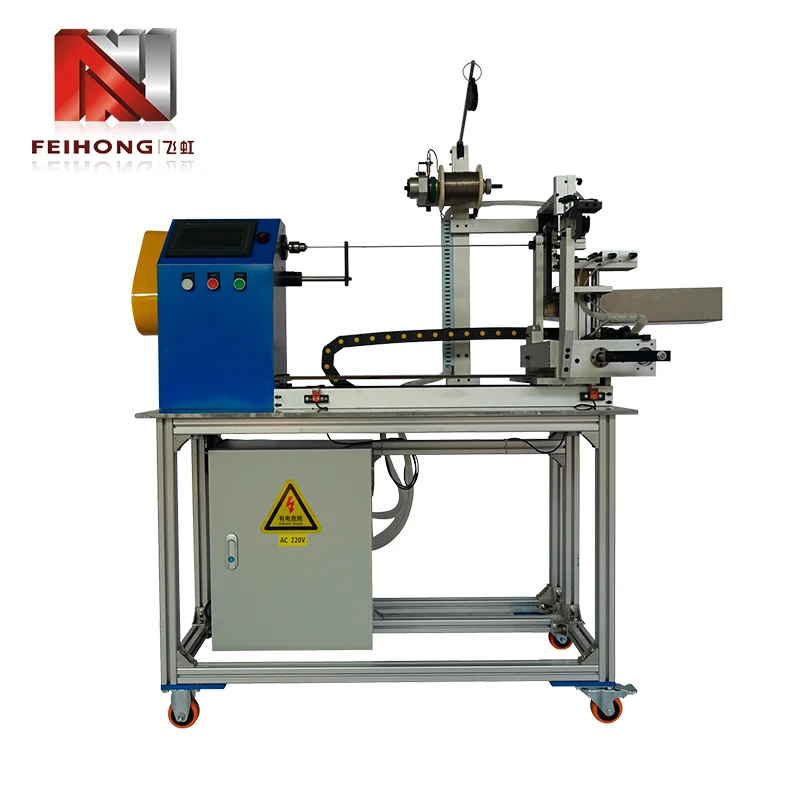
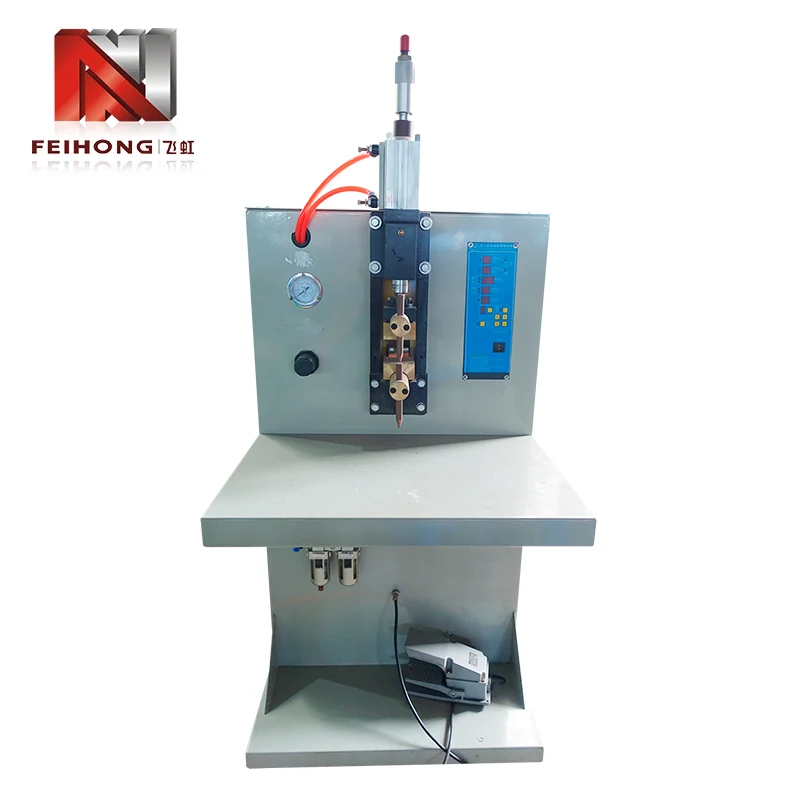
Feihong offers the Manual Load Heat Pipe Spot Welding Machine, a specialized resistance welding system designed for sealing the bottom end of single‑hair heat pipes with manual workpiece loading. As a trusted China supplier with over 30 years of manufacturing experience, Feihong combines capacitor discharge spot welding technology with pneumatic manipulator control and vibratory feeder assistance, while keeping the loading step operator‑controlled. The machine operates at 5KVA power, 380V voltage, and 0.6Mpa air source. This manual‑load approach gives operators direct control over workpiece placement, enabling quick adaptation to different heat pipe sizes and allowing visual inspection of each component before welding.
Manual Loading Design
Unlike fully automated systems, this equipment retains manual loading as a deliberate design choice. The operator places each heat pipe into the positioning groove, where vacuum attachment secures it in place before the welding sequence begins. This approach offers several practical advantages for manufacturers who value flexibility and operator oversight in their production process.
Key benefits of manual loading include:
1. Direct quality control – Operators can visually inspect each workpiece before welding, catching surface defects or dimensional issues early.
2. Quick changeover – Switching between different heat pipe sizes requires only changing the positioning groove, with no complex feeder recalibration.
3. Lower capital investment – The Manual Load Heat Pipe Spot Welding Machine costs less than fully automated systems while delivering the same welding quality.
4. Operator engagement – Skilled operators can adjust loading technique to accommodate slight variations in workpiece geometry.
This design makes the machine particularly suitable for job shops, R&D facilities, and production lines with frequent product changeovers.
Vibratory Feeder Assistance
While loading is manual, the electromagnetic vibrating disc feeder assists by orienting and presenting components to the operator in a consistent, accessible position. The feeder reduces the time operators spend searching for and orienting parts, allowing them to focus on precise placement and visual inspection. The vibratory disc can be adjusted for feed rate to match operator pace.
Feeder support functions include:
● Consistent part presentation – Components are delivered in the correct orientation for easy pickup.
● Adjustable feed rate – The operator can control the speed of part delivery.
● Reduced handling errors – Fewer misoriented parts reach the welding station.
● Easy access – The feeder positions parts within comfortable reach of the operator.
This combination of manual loading with feeder assistance creates a productive workflow that leverages both human judgment and machine efficiency.
Technical Specifications
The Manual Load Heat Pipe Spot Welding Machine is built with robust electrical and pneumatic systems. All parameters are validated through factory testing to ensure reliable performance.
● Machine Capacity: 5KVA
● Operating Voltage: 380V (three‑phase)
● Air Source Pressure: 0.6Mpa
● Welding Method: Capacitor energy storage spot welding
● Feed Mechanism: Electromagnetic vibrating disc (assist only)
● Workpiece Loading: Manual operation
● Control System: Pneumatic cylinders with swing and vacuum functions
These specifications ensure stable performance across diverse workshop conditions while keeping the equipment accessible and straightforward to operate.
Operational Workflow
The typical operating sequence for this welding equipment follows a clear, operator‑driven workflow that maximizes productivity while maintaining quality control.
Step‑by‑step operation includes:
1. Part presentation – The vibratory feeder delivers oriented heat pipes to the pickup position.
2. Manual loading – The operator picks up the heat pipe, inspects it, and places it into the positioning groove.
3. Vacuum attachment – The vacuum system secures the workpiece in the correct position.
4. Automatic welding – The swing cylinder moves the part to the welding station, where the capacitor discharge system performs the spot weld.
5. Unload – The operator removes the welded part and places it in the finished goods container.
This workflow allows one operator to achieve consistent welding results while maintaining visual oversight of each unit produced.
Application Comparison
To help evaluate the Manual Load Heat Pipe Spot Welding Machine against other loading approaches, the following comparison highlights key differences.
|
Feature
|
Manual Load Model
|
Semi‑Auto Model
|
Fully Auto Model
|
|
Loading Method
|
● Manual (operator)
|
Manual with feeder assist
|
Fully automated
|
|
Changeover Time
|
● 2–5 minutes
|
5–10 minutes
|
15–30 minutes
|
|
Operator Inspection
|
● Continuous
|
Limited
|
Minimal
|
|
Equipment Cost
|
● Low
|
Medium
|
High
|
|
Ideal Batch Size
|
● Small to medium
|
Medium
|
Large
|
|
Operator Skill Needed
|
● Moderate
|
Moderate
|
Low
|
|
Flexibility
|
● Very high
|
Moderate
|
Low
|
This comparison shows that the manual load approach offers maximum flexibility and operator oversight at the lowest capital cost, making it an excellent choice for manufacturers who value adaptability and direct quality control.
Application Scope
This welding equipment is designed for heat pipe manufacturing with a focus on flexible, operator‑controlled production. Typical applications include heat pipe bottom sealing across multiple industries.
Primary applications include:
1. Small‑batch production – Ideal for prototype runs and custom orders where quick changeover is essential.
2. R&D facilities – Allows engineers to test different heat pipe designs with minimal setup.
3. Training environments – Hands‑on operation helps new operators understand the welding process.
4. High‑mix production – Frequent product changes are handled efficiently with manual loading.
5. Quality‑sensitive applications – Operator inspection before welding adds an extra quality layer.
The Manual Load Heat Pipe Spot Welding Machine serves industries including household heating elements, industrial heating systems, and specialized electrical tube manufacturing.
Manufacturing Capabilities
Feihong operates six dedicated workshops supporting the complete production cycle of this welding equipment: powder filling, pipe shrinking, machining center, mold production, raw material cutting, and machine assembly. This vertical integration ensures full quality control from raw material inspection to final assembly.
Manufacturing strengths include:
1. In‑house machining – Eight sets of advanced equipment produce precision components.
2. Custom tooling – Dedicated mold production workshop for positioning grooves and fixtures.
3. Assembly expertise – Experienced technicians assemble and test each unit.
4. Continuous improvement – Engineering team refines designs based on customer feedback.
Since its founding in 1992, Feihong has developed a variety of electrical heating tube equipment with special structures according to customer demands, and this manual‑load welding machine reflects that cumulative manufacturing expertise.
Quality Assurance
Feihong maintains rigorous quality standards across all manufacturing processes. Each Manual Load Heat Pipe Spot Welding Machine undergoes systematic testing to verify welding accuracy, electrical performance, and pneumatic system functionality.
Quality verification procedures include:
1. Welding precision testing – Using standardized heat pipe samples to verify penetration and consistency.
2. Electrical system validation – Full load testing at 380V operating conditions.
3. Pneumatic system testing – Vacuum and cylinder function verification at 0.6Mpa air pressure.
4. Vibratory feeder calibration – Feed rate and presentation accuracy testing.
5. Cycle testing – Extended operation to validate long‑term reliability.
Each machine is accompanied by a detailed inspection report providing documented evidence of performance verification.
After‑Sales Support
Feihong provides comprehensive after‑sales support ensuring smooth integration into your production line.
Support services include:
● Installation guidance – On‑site or remote assistance for setup and commissioning.
● Operator training – Training on machine operation, loading technique, and basic maintenance.
● Spare parts supply – Available replacement parts for electrodes, feeders, and pneumatic components.
● Technical documentation – Detailed user manuals and wiring diagrams.
● Remote diagnostic support – Phone and video support for troubleshooting.
With over three decades of experience, Feihong ensures reliable service and customer satisfaction.
Frequently Asked Questions
Q: Why would I choose a manual load machine instead of automatic loading?
A: Manual loading offers maximum flexibility for small batches, quick changeovers, and direct visual inspection of each workpiece. It is also more affordable than fully automatic systems and requires less complex maintenance, making it ideal for job shops, R&D, and high‑mix production environments.
Q: How many parts can one operator produce per hour with this machine?
A: Production rate depends on operator skill and heat pipe dimensions, but typical output ranges from 800 to 1,200 parts per hour. The vibratory feeder assist helps maintain consistent pace while the operator focuses on loading and inspection.
Q: Can the machine handle different heat pipe diameters?
A: Yes, the positioning grooves are interchangeable, allowing quick changeover between different heat pipe sizes. The vibratory feeder can also be adjusted for different part dimensions within its range.
Q: What maintenance is required?
A: Regular maintenance includes electrode dressing or replacement, cleaning the vibratory disc, inspecting pneumatic components for leaks, and periodic capacitor bank testing. A detailed schedule is provided in the user manual.
Q: Can this machine be upgraded to automatic loading later?
A: Yes, Feihong offers upgrade packages that add automated feeding systems. This allows you to start with manual loading and scale up automation as your production volume grows.
Q: What is the typical delivery time?
A: Standard delivery time is 30–45 days after order confirmation, depending on current production schedules and any custom modifications required.