News

How to Maximize Efficiency Using a Flat Pipe Bender?

2026-01-07 0 Leave me a message

Abstract: This article provides a comprehensive guide on flat pipe benders, including their specifications, usage techniques, troubleshooting, and maintenance tips. It addresses common industry questions and explores practical approaches to optimize performance. Special attention is given to Feihong products, ensuring readers gain expert insight into selecting and operating high-quality flat pipe benders.

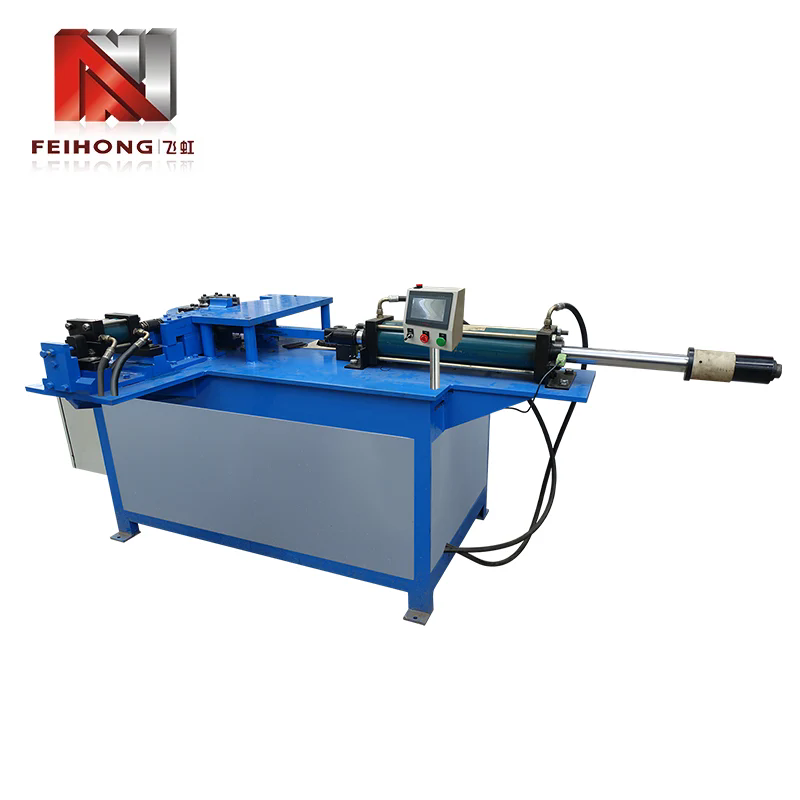
Flat Pipe Bender


Table of Contents


Introduction to Flat Pipe Benders

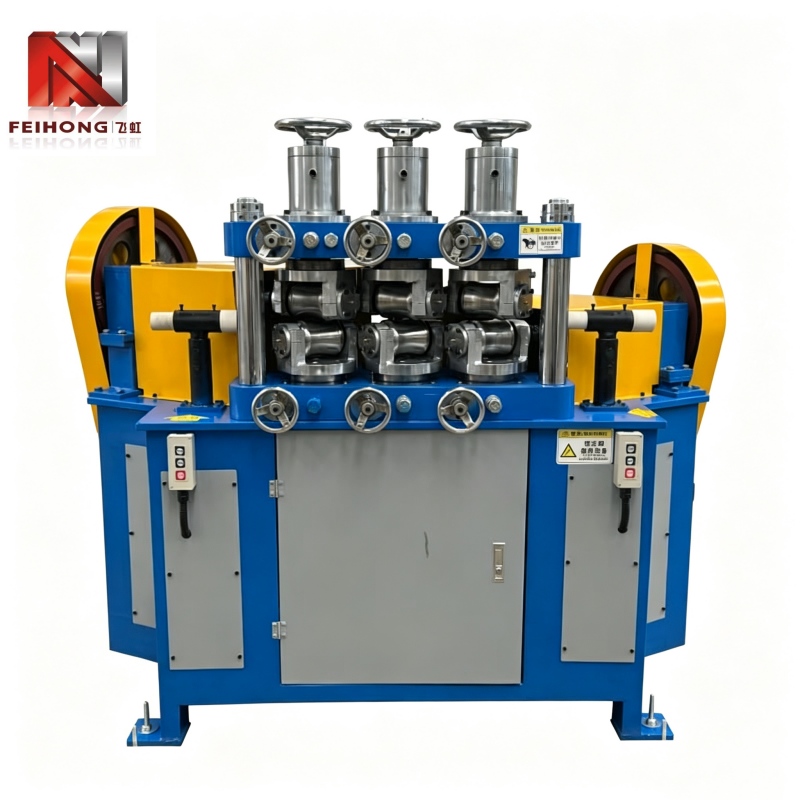
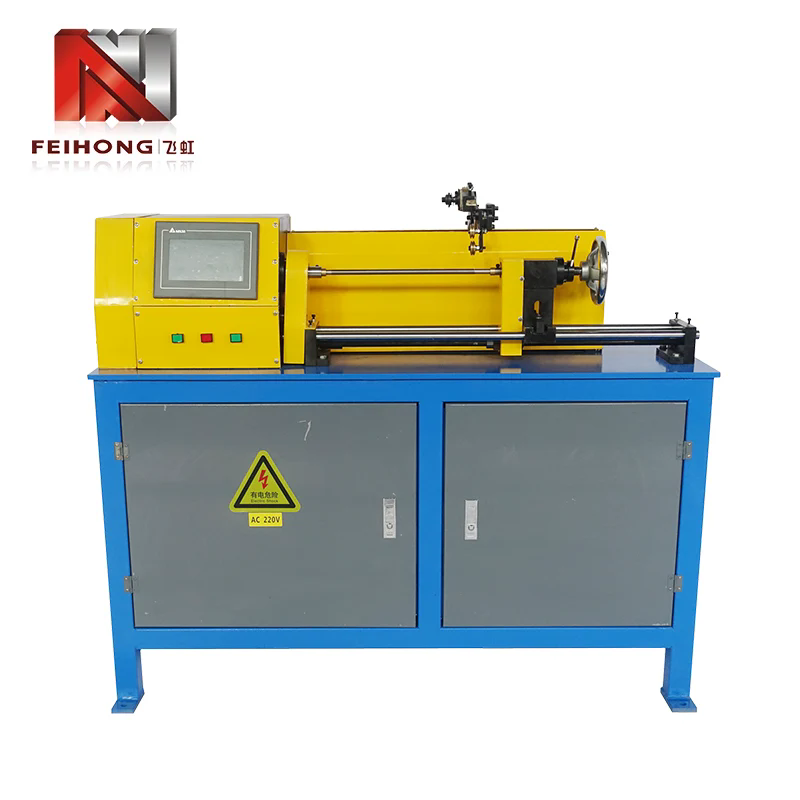
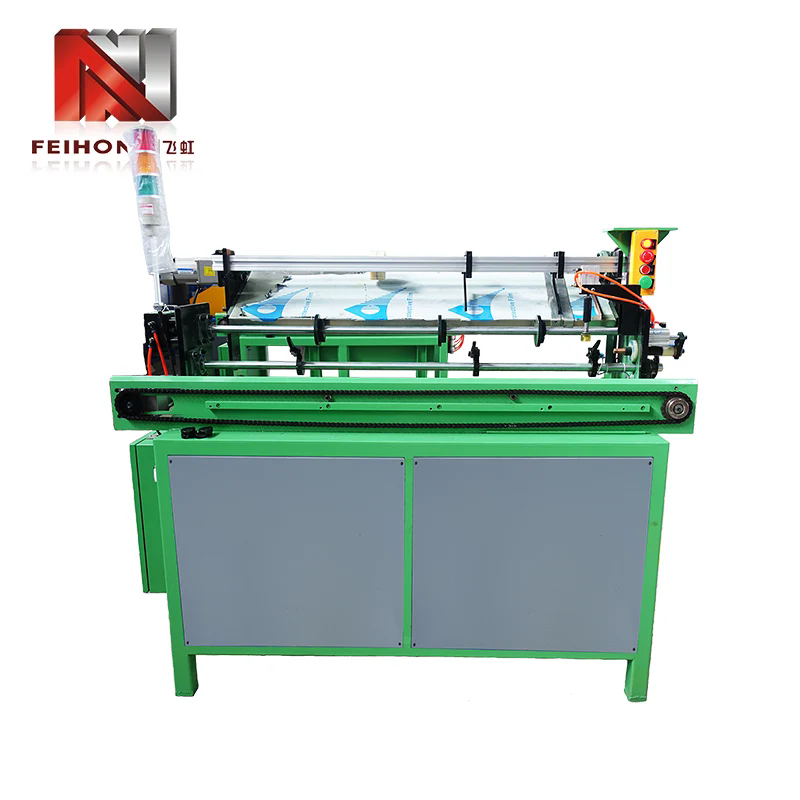
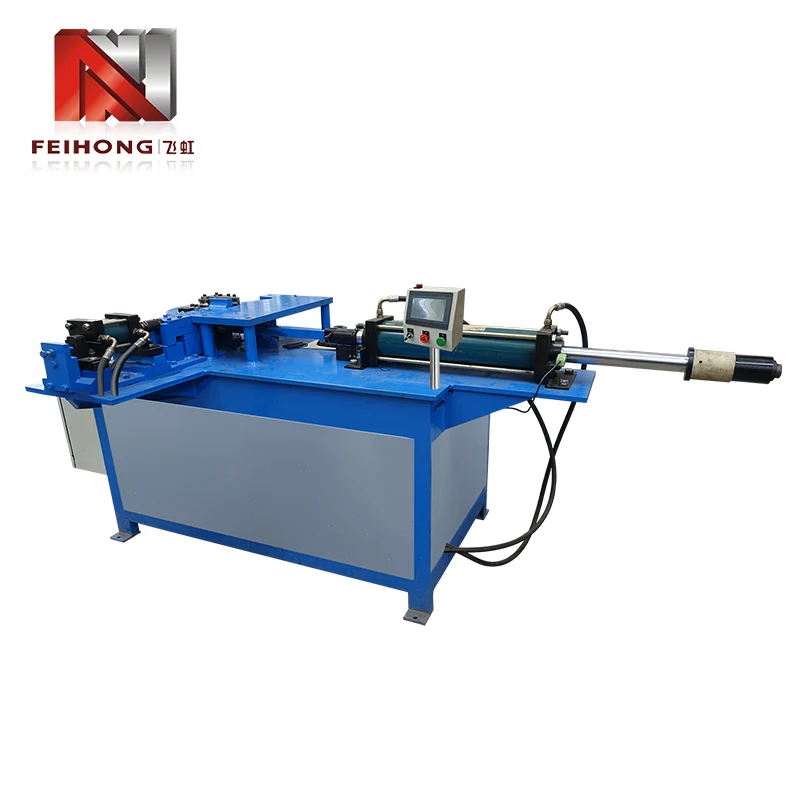
Flat pipe benders are precision tools designed for bending rectangular or flat-section metal pipes. They are widely used in plumbing, automotive, furniture manufacturing, and industrial fabrication. Their main function is to shape pipes into precise angles without deforming or compromising structural integrity.

This article aims to provide a thorough understanding of flat pipe benders, including detailed technical specifications, usage methods, common operational challenges, and maintenance practices. By the end, readers will gain practical knowledge for selecting, operating, and troubleshooting flat pipe bending machines effectively.


Product Specifications and Parameters

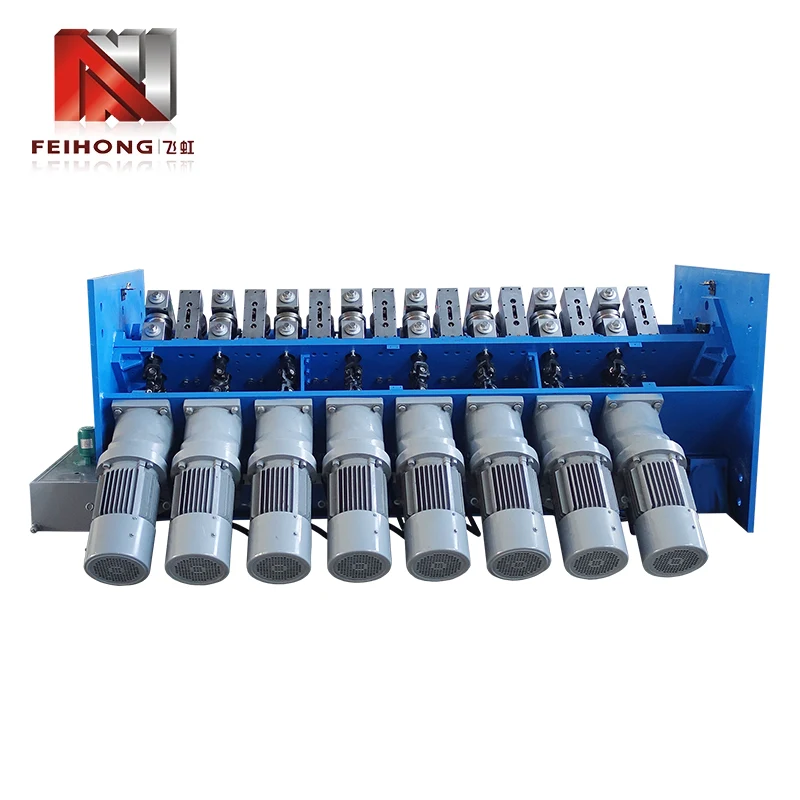
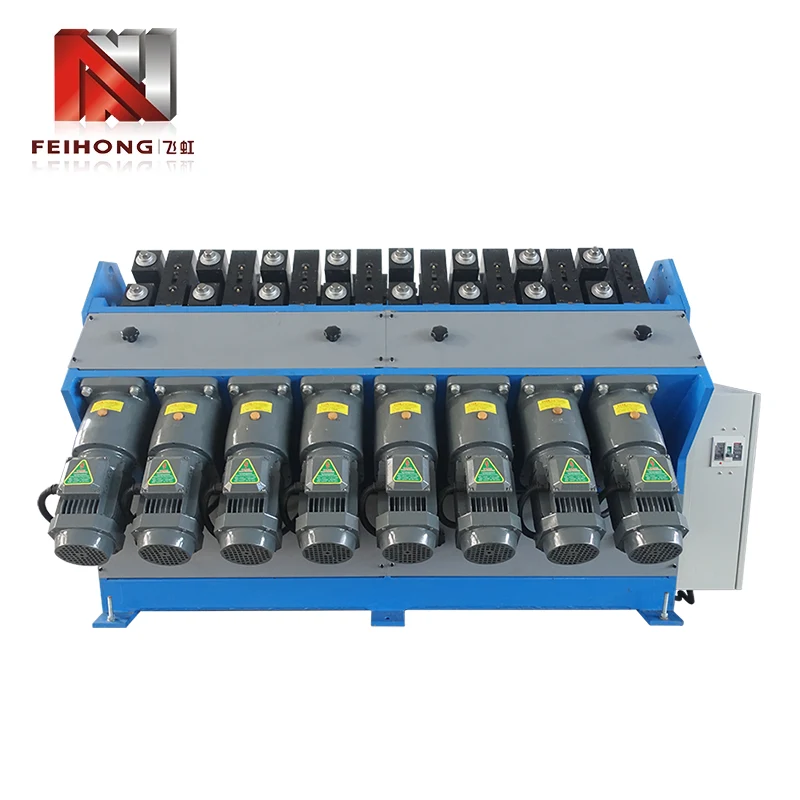
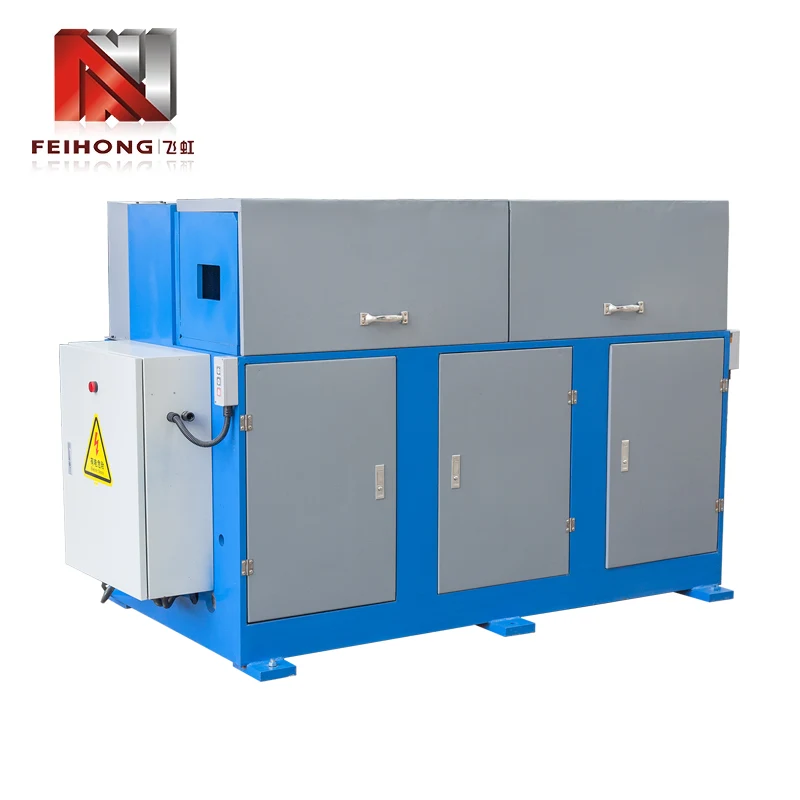
Understanding technical specifications is essential for selecting a flat pipe bender that meets production requirements. Below is a professional overview of typical specifications for Feihong flat pipe benders:

Parameter Specification
Material Compatibility Steel, Aluminum, Copper, Brass
Maximum Pipe Width 100 mm
Maximum Pipe Thickness 8 mm
Bending Angle 0° – 180°
Power Supply 220V/380V, 50Hz
Motor Power 1.5 – 3 kW
Machine Dimensions 1200 × 700 × 950 mm
Weight 250 – 350 kg
Control Type Manual / Hydraulic / CNC

How to Use a Flat Pipe Bender Efficiently

To achieve precise bends while maintaining pipe integrity, follow these structured steps:

Step 1: Material Assessment

Inspect the pipe material for any imperfections or residual stresses. Select the pipe type compatible with the bender’s specifications.

Step 2: Machine Setup

Adjust the bending dies according to the pipe width and thickness. Confirm that the machine is securely mounted and power connections are stable.

Step 3: Angle Calibration

Set the desired bending angle using the control panel or manual gauge. Double-check measurements to prevent over-bending.

Step 4: Bending Process

Feed the pipe slowly into the bending rollers, ensuring consistent pressure. For CNC benders, program the bending sequence precisely. Manual operations require controlled movement to avoid material deformation.

Step 5: Inspection

After bending, measure the pipe against templates or angle gauges. Confirm that there are no cracks, flattening, or unintended distortions.


Common Issues and Solutions

Industry professionals often encounter recurring questions when operating flat pipe benders. Below are detailed responses:

Q1: How can I prevent flattening of the pipe during bending?

A1: Flattening occurs when pressure is uneven or the pipe exceeds the machine’s capacity. Use supporting dies, adjust bending speed, and ensure proper lubrication to maintain structural integrity.

Q2: Why does the pipe spring back after bending?

A2: Spring-back is a natural elastic recovery of the material. To compensate, slightly over-bend by a calculated angle, considering the material’s yield strength and thickness.

Q3: How do I extend the lifespan of my flat pipe bender?

A3: Regular maintenance, such as cleaning, lubricating moving parts, and inspecting hydraulic systems, reduces wear. Avoid exceeding maximum material specifications and perform periodic calibration of bending dies.


Advanced Tips for Optimal Performance

Beyond basic operation, experts can enhance productivity and precision by implementing the following strategies:

Node 1: Automation Integration

Integrating CNC systems with flat pipe benders enables repeatable precision for complex bends. Automated feeding reduces human error and accelerates production cycles.

Node 2: Material Preparation

Preheating metals such as aluminum or copper improves malleability and reduces micro-cracking during bends. Removing residual oils and surface coatings ensures better die contact.

Node 3: Die Selection and Customization

Using specialized dies tailored to pipe thickness and profile minimizes deformation and surface scratches. Custom dies can be manufactured for unique industrial applications.

Node 4: Safety and Ergonomics

Ensure operators are trained in ergonomic techniques to prevent repetitive strain. Install emergency stops, safety shields, and proper ventilation in production areas.


Conclusion and Contact

Flat pipe benders are indispensable in precision pipe fabrication, combining efficiency, accuracy, and versatility. By understanding the machine specifications, applying best operational practices, and addressing common challenges, professionals can maximize productivity while maintaining material integrity.

Feihong provides a range of high-quality flat pipe benders designed for industrial excellence, combining reliability with advanced performance. For further inquiries or tailored solutions, contact us to explore how Feihong can support your production needs.

Related News
Leave me a message
X
We use cookies to offer you a better browsing experience, analyze site traffic and personalize content. By using this site, you agree to our use of cookies. Privacy Policy
Reject Accept