News

How Does a Single Head Tube Filling Machine Support Precision Packaging in Industrial Production?

2025-12-15 0 Leave me a message

A Single Head Tube Filling Machine is a specialized piece of packaging equipment designed for accurately filling, sealing, and finishing tubes used across industries such as pharmaceuticals, cosmetics, food, chemicals, and personal care. Tubes made from plastic, laminate, or aluminum require precise volumetric control and consistent sealing quality to meet regulatory standards and end-user expectations.

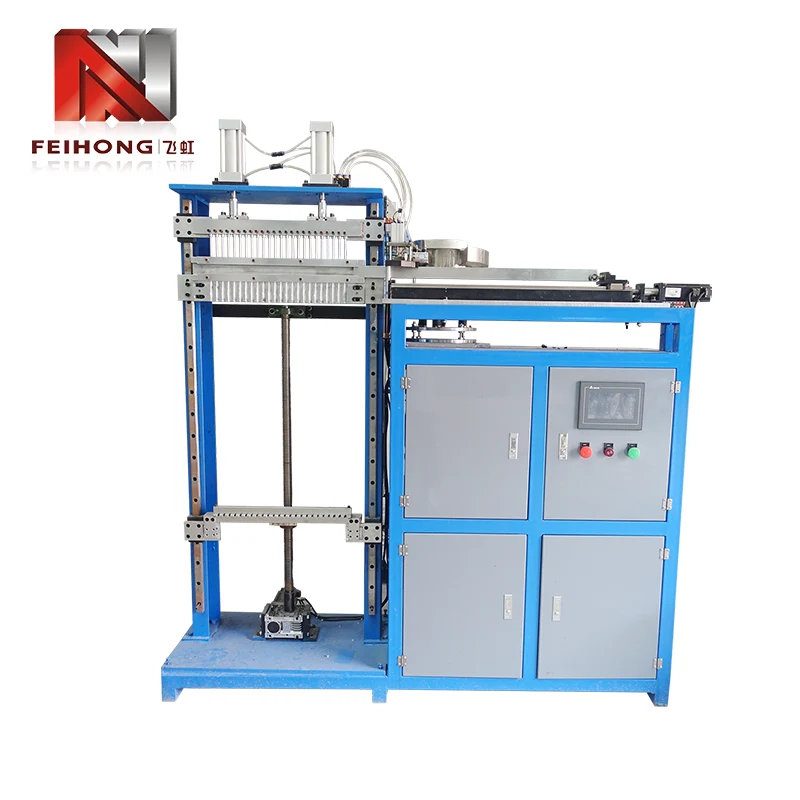
Single Head Tube Filling Machine

The central purpose of a Single Head Tube Filling Machine is to deliver stable, repeatable filling performance in low-to-medium output environments where accuracy, flexibility, and reliability are prioritized over extreme speed. This type of equipment is commonly selected by manufacturers that value process control, ease of operation, and adaptability to multiple formulations or tube specifications.

By integrating filling, positioning, sealing, and coding into a single workflow, the machine ensures consistent output quality while minimizing material waste and operator intervention. The article focuses on how this equipment operates within production lines, how its technical configuration supports precision packaging, and how it aligns with evolving manufacturing requirements.

Technical Configuration and Operational Parameters

A Single Head Tube Filling Machine is engineered around mechanical stability and process accuracy. Although configurations may vary based on application requirements, the core parameters and components are generally consistent across industrial-grade systems.

Key Technical Parameters

Parameter Typical Specification
Filling Volume Range 5 ml – 300 ml (customizable)
Filling Accuracy ±1% or better
Tube Materials Plastic, Laminated, Aluminum
Tube Diameter 10 mm – 60 mm
Tube Length Up to 220 mm
Output Capacity 20–40 tubes per minute
Filling Method Piston, Gear Pump, or Servo-Controlled
Sealing Type Hot Air, Ultrasonic, or Folding
Control System PLC with Touchscreen HMI
Power Supply 220V / 380V, 50–60 Hz
Construction Material SUS304 / SUS316 Stainless Steel
Coding Options Batch Number, Date, Embossing

Structural and Functional Design

The machine is typically composed of a tube feeding system, indexing turntable, filling unit, sealing station, trimming unit, and discharge mechanism. Tubes are manually or automatically loaded into holders, indexed to the filling position, and accurately dosed using a controlled filling system.

The single-head configuration allows for precise synchronization between filling and sealing, reducing the likelihood of contamination or leakage. PLC-based control systems provide real-time monitoring of filling volumes, sealing temperatures, and operational speed, enabling consistent production performance.

Sanitary design principles are applied throughout the equipment. Product-contact parts are manufactured from corrosion-resistant stainless steel and can be disassembled quickly for cleaning and maintenance. This is particularly important for pharmaceutical and cosmetic applications where hygiene compliance is mandatory.

Process Logic, Application Scope, and Industry Adaptation

How Does the Machine Maintain Filling Accuracy Across Different Products?
The machine maintains filling accuracy by utilizing controlled volumetric systems such as piston fillers or servo-driven pumps. These systems allow precise adjustment of fill volume based on product viscosity, temperature, and flow characteristics. Fine-tuning through the HMI ensures repeatable dosing even when switching between formulations.

Single Head Tube Filling Machines are widely applied in scenarios that demand controlled production runs. Their adaptability makes them suitable for a diverse range of products, including creams, gels, ointments, pastes, adhesives, and food condiments.

How Does This Equipment Fit Into Evolving Manufacturing Practices?
Manufacturing environments increasingly emphasize flexibility, traceability, and efficiency. A Single Head Tube Filling Machine supports these objectives through modular design and digital controls. Integration with upstream mixers or downstream cartoning equipment is achievable, allowing the machine to function as part of a semi-automated or fully automated line.

Energy efficiency and reduced material waste are additional considerations. Controlled filling minimizes overfill, while precise sealing reduces product loss and rework. For manufacturers operating under lean production models, these characteristics directly support cost control and quality assurance.

Common Questions and Answers

Q: How is tube sealing consistency ensured during long production runs?
A: Sealing consistency is maintained through temperature-controlled sealing systems and stable mechanical alignment. Sensors monitor sealing parameters in real time, and deviations can be corrected immediately through the control interface, ensuring uniform seal integrity throughout extended operations.

Q: Can one machine handle multiple tube sizes without extensive downtime?
A: Yes. Changeover between tube sizes is designed to be straightforward. Adjustable tube holders, filling nozzles, and sealing molds allow operators to switch formats with minimal tooling changes, reducing downtime and maintaining production efficiency.

Market Outlook, Brand Perspective, and Contact Guidance

As packaging requirements continue to diversify, Single Head Tube Filling Machines remain relevant due to their balance of control, reliability, and adaptability. They are particularly valued by manufacturers seeking consistent quality without excessive automation complexity. The ability to accommodate frequent product changes and smaller batch sizes positions this equipment well within modern production strategies.

Feihong has established a strong reputation in the design and manufacturing of tube filling solutions by emphasizing engineering precision, durable construction, and practical operation. Each Single Head Tube Filling Machine is developed with attention to long-term stability and customer-specific requirements, supporting manufacturers across pharmaceutical, cosmetic, and industrial sectors.

For organizations evaluating tube filling equipment or planning to upgrade existing packaging lines, selecting a reliable supplier is a critical decision. Understanding machine parameters, process compatibility, and long-term service support can significantly influence production outcomes.

To learn more about technical specifications, customization options, or application suitability, interested parties are encouraged to contact us directly. Professional consultation and detailed product information are available upon request to support informed purchasing decisions and efficient project planning.

Related News
Leave me a message
X
We use cookies to offer you a better browsing experience, analyze site traffic and personalize content. By using this site, you agree to our use of cookies. Privacy Policy
Reject Accept