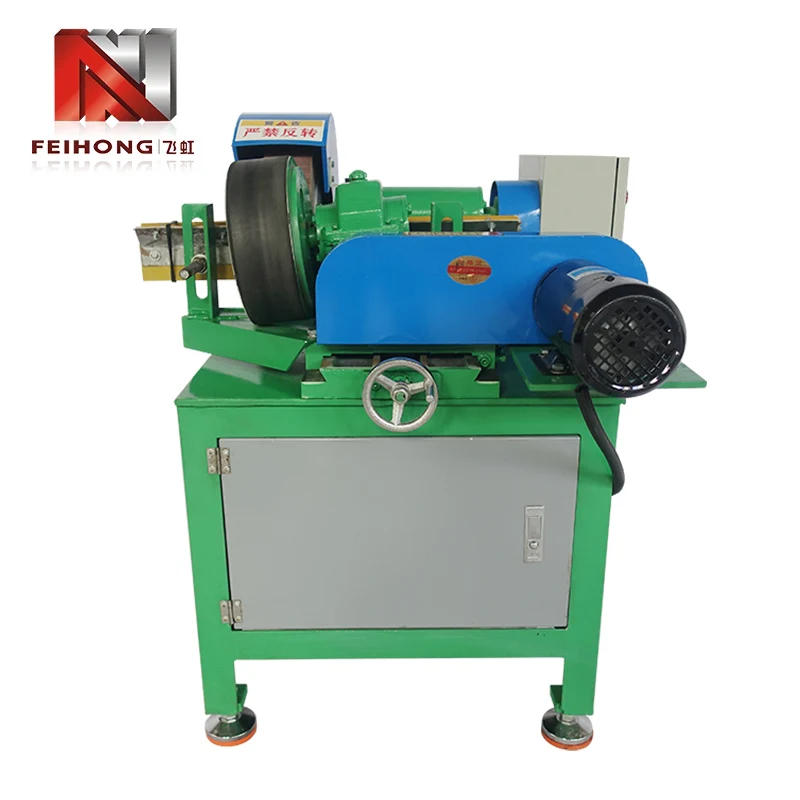
Vibratory Feeder Welding Machine for Heat Pipe Assembly
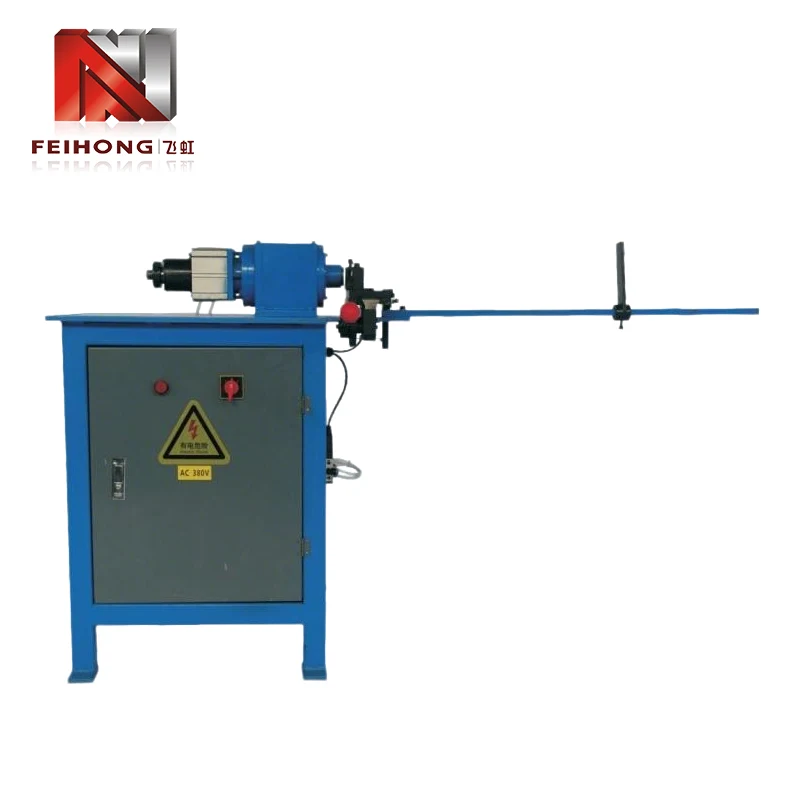
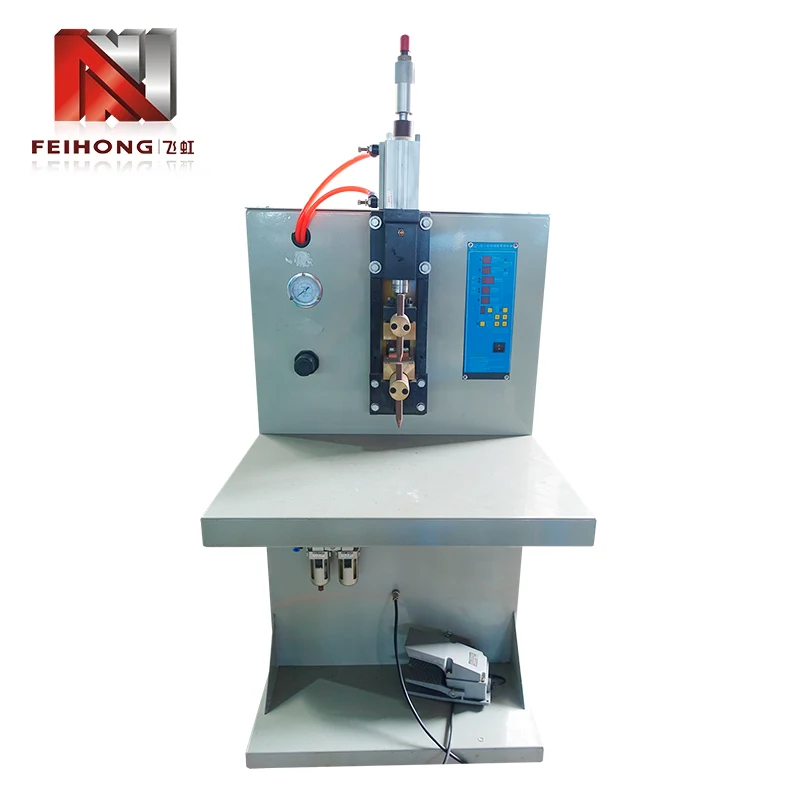
Feihong, a professional manufacturer and supplier based in China, introduces the Vibratory Feeder Welding Machine for Heat Pipe Assembly (Model FH-149B), a semi-automated workstation purpose-built for the bottom end assembly and welding stage of single-hair heat pipe production. At the core of this machine is its electromagnetic vibrating disc feeder system, which automatically orients and delivers small welding components to the manipulator, eliminating the variability and slow pace of manual parts placement. Combined with a pneumatic swing cylinder manipulator, vacuum workpiece positioning, and a 5KVA capacitor energy storage spot welder, this machine forms a complete assembly-ready station that fits seamlessly into heat pipe production lines. Built by Zhaoqing Feihong Machinery & Electrical Co., Ltd., a company with over thirty years of heating tube equipment manufacturing history, this model brings automated feeding efficiency to heat pipe assembly operations.
Machine Introduction
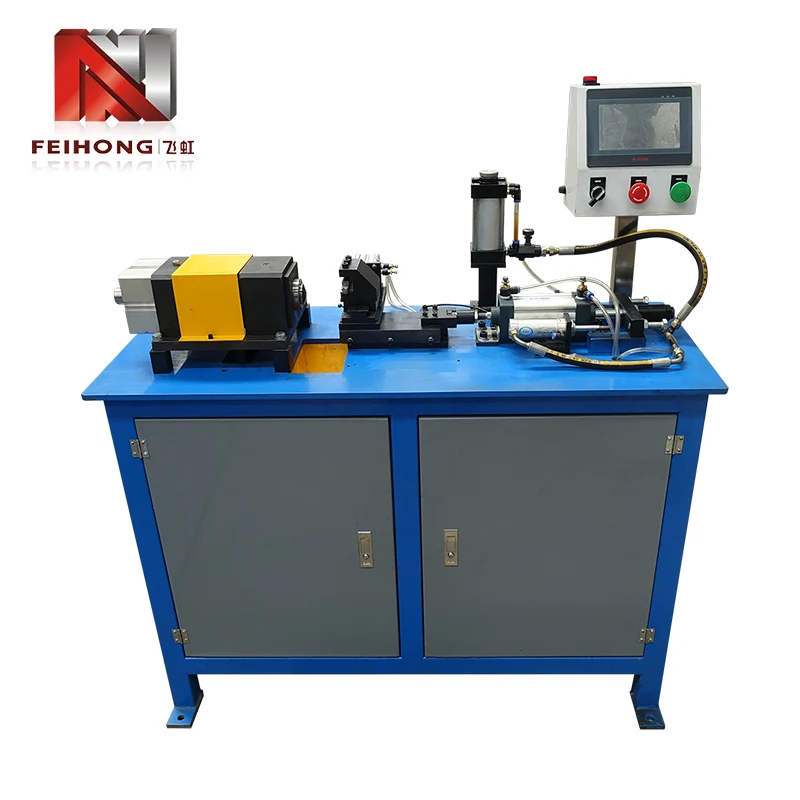
The FH-149B is a vibratory-feeder-equipped spot welding machine configured specifically for heat pipe assembly applications. What distinguishes it from basic spot welding equipment is the integrated automated parts handling system centered around the electromagnetic vibrating disc feeder, which transforms a standalone welding machine into a productive assembly station.
1. Vibratory Bowl Feeder: Electromagnetic vibrating disc automatically sorts, orients, and feeds small welding components at a steady rate, serving as the primary automation element of the assembly process.
2. Pneumatic Transfer Manipulator: Swing cylinder-driven arm picks up oriented components from the feeder outlet and deposits them onto the heat pipe end at the welding position.
3. Vacuum Locating System: Negative pressure holds the workpiece against a precision groove, ensuring accurate alignment between the component and heat pipe end before welding commences.
4. Capacitor Storage Welder: 5KVA capacitive energy storage welding unit delivers rapid, concentrated energy pulses for clean, strong spot welds with minimal heat effect on the base material.
5. Semi-Automatic Configuration: Automated feeding, transfer, and welding are paired with manual heat pipe loading and unloading, giving operators control over workpiece flow and quality inspection.
This combination of vibratory feeding and resistance welding creates a self-contained assembly station that reduces reliance on manual dexterity for small-part placement while maintaining the flexibility of operator-managed workpiece loading.
Vibratory Feeding System Benefits
The Vibratory Feeder Welding Machine for Heat Pipe Assembly derives much of its production value from the integrated electromagnetic vibrating disc feeding system. This automated component delivery mechanism offers several meaningful advantages over manual parts handling in heat pipe assembly environments.
1. Consistent Part Orientation: The vibratory bowl feeder delivers every component in the same rotational orientation, ensuring each part arrives at the welding station with the correct side facing the weld surface.
2. Steady Feed Rate: Electromagnetic vibration provides a continuous, regulated supply of components to the pickup point, eliminating pauses caused by manual retrieval and improving overall assembly cadence.
3. Reduced Operator Fatigue: Removing the need for operators to handle and orient tiny welding components reduces repetitive motion fatigue and allows focus on heat pipe loading and quality checking.
4. Fewer Placement Errors: Automated feeding and mechanical transfer eliminate human placement errors such as misalignment or reversed orientation, reducing scrap and rework at the welding stage.
5. Clean Parts Handling: Vibratory feeding minimizes direct finger contact with welding components, reducing oil and contamination transfer that could affect weld quality and heat pipe internal cleanliness.
These benefits accumulate into measurable improvements in assembly throughput, weld consistency, and operator productivity compared to setups where welding components are placed manually before each cycle.
Standard Specifications
The following specifications define the standard FH-149B configuration. All parameters are validated through factory testing prior to shipment to ensure performance matches published data.
|
Specification Item
|
Standard Value
|
|
Model Designation
|
FH-149B
|
|
Welding Capacity
|
5 KVA
|
|
Electrical Supply
|
380V Alternating Current
|
|
Compressed Air Requirement
|
0.6 Megapascals
|
|
Welding Technology
|
Capacitive Energy Storage Spot Welding
|
|
Feeding Technology
|
Electromagnetic Vibrating Disc Feeder
|
|
Transfer Method
|
Pneumatic Manipulator with Swing Cylinder
|
|
Positioning Method
|
Vacuum Attachment with Precision Locating Groove
|
|
Workpiece Handling
|
Manual Loading and Unloading
|
|
Assembly Application
|
Bottom End Welding of Single-Hair Heat Pipes
|
The standard configuration covers the majority of single-hair heat pipe assembly requirements. For applications involving non-standard component sizes or alternative heat pipe dimensions, Feihong can provide customized feeder tooling and welding parameters through its in-house engineering and machining resources.
Assembly Line Integration
Designed as a drop-in station for heat pipe production lines, the FH-149B integrates smoothly with upstream and downstream assembly processes. Understanding how the machine fits into broader production flow helps planners optimize overall line layout and throughput.
1. Upstream Compatibility: The machine accepts pre-cut, single-hair heat pipes from upstream cutting and preparation stations, with manual loading that accommodates varying batch sizes and production rhythms.
2. Standalone or In-Line Operation: The compact footprint allows the machine to operate as a standalone station or be positioned within a linear assembly line alongside other heat pipe production equipment such as filling machines and pipe shrinking machines.
3. Single-Operator Tending: One operator can manage loading, unloading, and visual inspection, making the machine easy to staff within existing production schedules and shift patterns.
4. Standard Utility Requirements: 380V power and 0.6Mpa compressed air are standard industrial specifications, simplifying facility hookup without requiring specialized utility upgrades.
5. Downstream Handoff: Completed heat pipes with sealed bottom ends are ready for transfer to subsequent process stages such as working fluid filling, degassing, and final end closure.
The machine's semi-automatic nature provides flexibility for both high-volume dedicated lines and lower-volume mixed production, allowing manufacturers to scale usage according to current demand and product mix.
Industry Applications
The Vibratory Feeder Welding Machine for Heat Pipe Assembly supports manufacturers across several sectors where heat pipe assembly and tubular component welding are part of the production process.
1. Heat Pipe Production: Primary application for manufacturers assembling single-hair heat pipes used in thermal management systems across electronics, telecommunications, and industrial cooling products.
2. Electronics Thermal Solutions: Contract manufacturers and thermal solution providers producing heat pipe-based cooling assemblies for computers, servers, LED lighting, and power electronics.
3. Electrical Heating Tube Manufacturing: Producers of industrial and civilian electric heating elements can utilize the same machine for end cap welding and terminal assembly on tubular heater products.
4. Hot Runner Heater Production: Manufacturers of hot runner heating tubes for plastic injection molding systems benefit from the automated feeding capability for small component assembly.
5. Custom Thermal Component Shops: Job shops and specialized thermal engineering firms producing custom heat pipe assemblies for aerospace, medical, and industrial process applications.
Across all these sectors, the common requirement is reliable, repeatable assembly of small components onto tubular ends—a need directly addressed by the vibratory feeder and precision welding combination of this machine.
Manufacturing Capabilities
Every FH-149B is manufactured by Zhaoqing Feihong Machinery & Electrical Co., Ltd., leveraging the company's comprehensive in-house production infrastructure developed since its founding in 1992.
1. Six-Workshop Facility: Production spans six specialized workshops: powder filling equipment, pipe shrinking equipment, machining center, mold production, raw material cutting, and final machine assembly.
2. Feeder Tooling Production: Vibratory bowl feeder tooling and orientation tracks are developed and fabricated in-house, ensuring proper handling of the specific welding components used in heat pipe assembly.
3. Machining Center: Precision components including welding electrodes, positioning fixtures, and manipulator parts are machined on-site to maintain tight dimensional tolerances.
4. Custom Engineering Support: The engineering team can modify feeder configurations, welding parameters, and tooling dimensions to match customer-specific assembly requirements.
5. Comprehensive Product Range: Feihong manufactures a full line of heating tube equipment including pipe shrinking machines, powder filling machines, winding machines, bending machines, annealing machines, and cutting machines.
This breadth of manufacturing capability means customers are working with a supplier that understands the full heat pipe and heating tube production process, not just a single welding machine.
Ordering & Support
Feihong provides structured support for customers considering the Vibratory Feeder Welding Machine for Heat Pipe Assembly, from initial inquiry through delivery and ongoing service.
1. Direct Manufacturer Contact: Customers communicate directly with Feihong as the original equipment manufacturer, enabling clear technical discussions and accurate specification alignment from the start.
2. Customization Review: For non-standard requirements, the engineering team reviews application details and provides recommendations for feeder, tooling, or welding parameter modifications.
3. Factory Testing & Shipment: Each machine undergoes full functional testing before being prepared for secure export packaging and international shipment.
4. Documentation Included: Operation manuals, installation guidance, and maintenance recommendations are provided with every shipment to support smooth commissioning at customer facilities.
5. After-Sales & Spare Parts: Direct factory technical support and in-house manufactured spare parts are available for international shipment to address maintenance and replacement needs.
Feihong is also actively developing a global network of cooperative agents to bring localized sales and support closer to international customers interested in heat pipe and heating tube production equipment.
Common Inquiries
Q: What role does the vibratory feeder play in this machine?
A: The electromagnetic vibratory feeder automatically sorts, orients, and delivers small welding components to the manipulator pickup point. This eliminates the need for an operator to manually place each tiny component, resulting in faster cycle times, more consistent orientation, and less operator fatigue during heat pipe assembly.
Q: Is the entire heat pipe loading process automated?
A: No, the heat pipe workpiece itself is loaded and unloaded manually by the operator. The automation applies specifically to the welding component—the vibratory feeder handles feeding of the small weld part, and the pneumatic manipulator transfers it to the weld position. This semi-automatic arrangement balances efficiency with operator quality control.
Q: What power and air supply does the machine need?
A: The FH-149B operates on a 380V AC electrical supply with 5KVA capacity, and requires a compressed air source providing 0.6Mpa pressure. These are standard industrial utility specifications compatible with most manufacturing facilities worldwide.
Q: Can the feeder be adjusted for different component sizes?
A: Yes, Feihong offers customization of the vibratory feeder tooling to accommodate different welding component sizes or shapes. With in-house mold and machining capabilities, the company can modify the feeder bowl tracks and orientation features to match your specific component requirements.
Q: What type of welding process is used?
A: The machine uses capacitive energy storage spot welding, also known as capacitor discharge welding. It stores energy in a capacitor bank and releases it in a very short pulse, creating a strong weld nugget with minimal heat spread, which is ideal for thin-wall heat pipes where distortion must be avoided.
Q: Where is Feihong located and do you ship globally?
A: Zhaoqing Feihong Machinery & Electrical Co., Ltd. is located in Zhaoqing, Guangdong Province, China. The company ships its heating tube and heat pipe production equipment to customers worldwide and is actively expanding its global cooperative agent network to better serve international markets.
Concluding Remarks
The Vibratory Feeder Welding Machine for Heat Pipe Assembly(Model FH-149B) from Feihong brings automated parts feeding efficiency to the bottom end welding stage of single-hair heat pipe production. Its integrated electromagnetic vibrating disc feeder, pneumatic manipulator transfer, vacuum positioning system, and 5KVA capacitor energy storage welder combine to create a productive semi-automatic assembly station that improves throughput, consistency, and operator ergonomics compared to manual component placement. Manufactured by Zhaoqing Feihong Machinery & Electrical Co., Ltd.—a company founded in 1992 with a six-workshop integrated production facility and deep expertise across the full spectrum of heating tube equipment—this machine delivers proven performance backed by direct manufacturer support. Whether equipping a new heat pipe assembly line, upgrading an existing welding station, or sourcing production equipment from an experienced China manufacturer, the FH-149B provides the automated feeding capability and reliable welding performance that heat pipe assembly operations require.