News

How Does a Tube Shrinking Machine Assembly Improve Pipe Processing Efficiency?

2026-01-12 0 Leave me a message

Summary: Tube shrinking machines play a vital role in modern metal processing by reducing pipe diameters efficiently while maintaining precision and smooth finishes. This article explores the working principle, assembly process, key components, practical applications, and maintenance tips for Tube Shrinking Machine Assemblies. Additionally, it provides FAQs to help manufacturers optimize operations and improve productivity using Feihong® equipment.

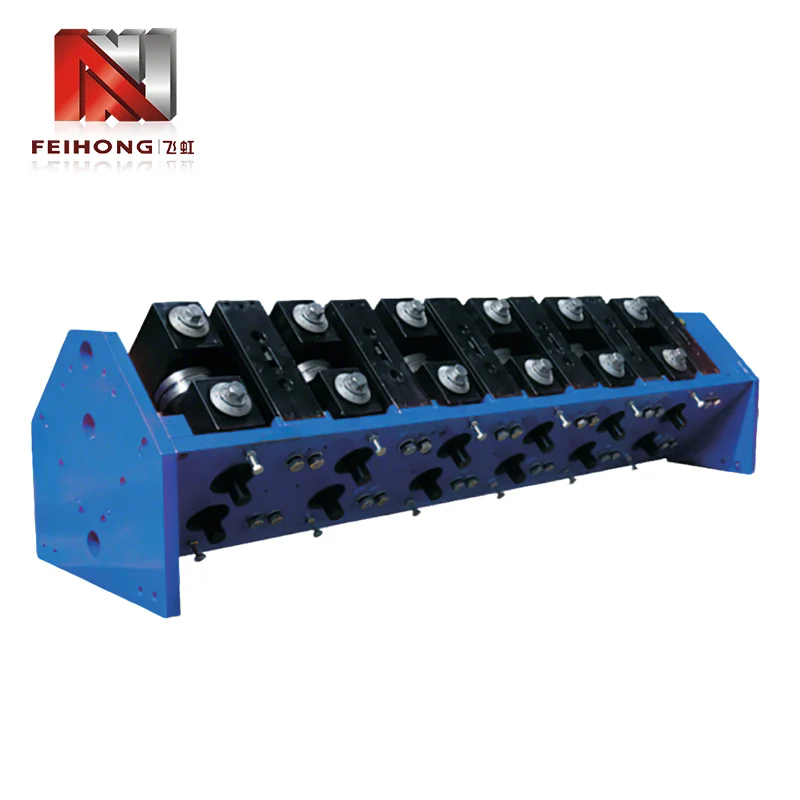
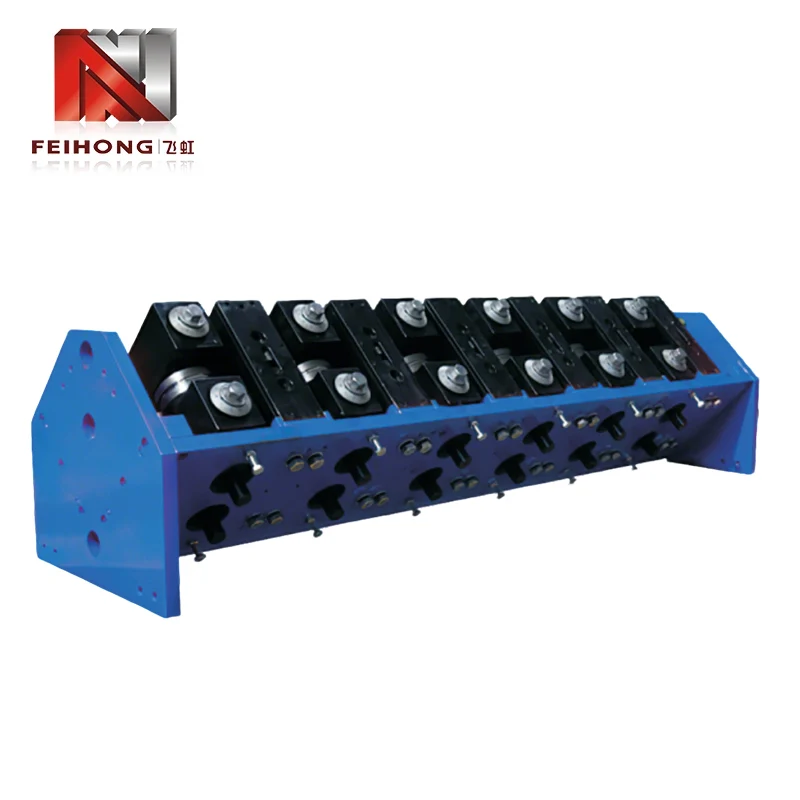
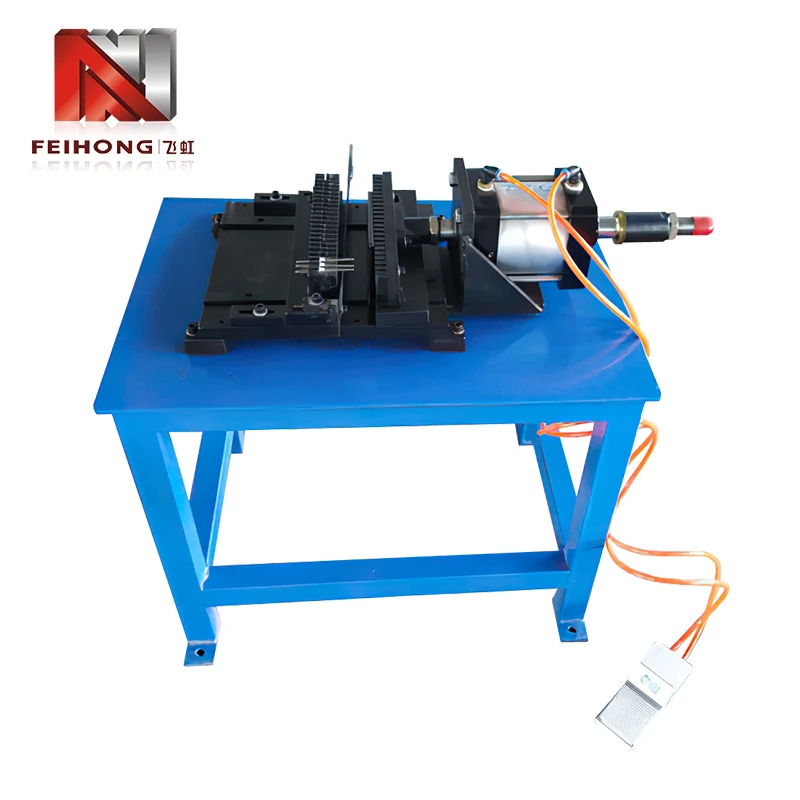
Roll Assembly


Table of Contents


Overview of Tube Shrinking Machine Assembly

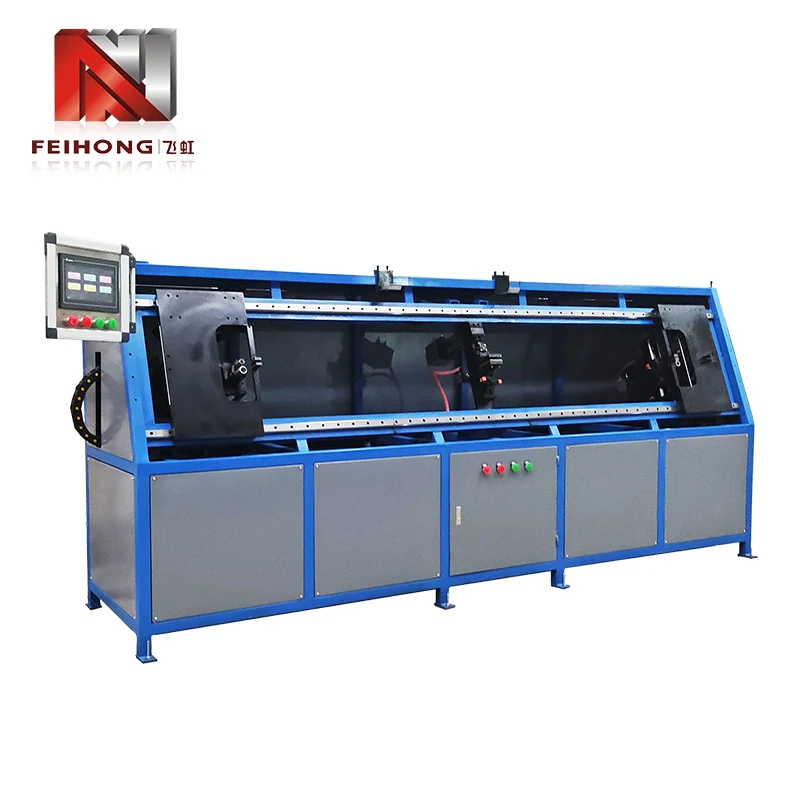
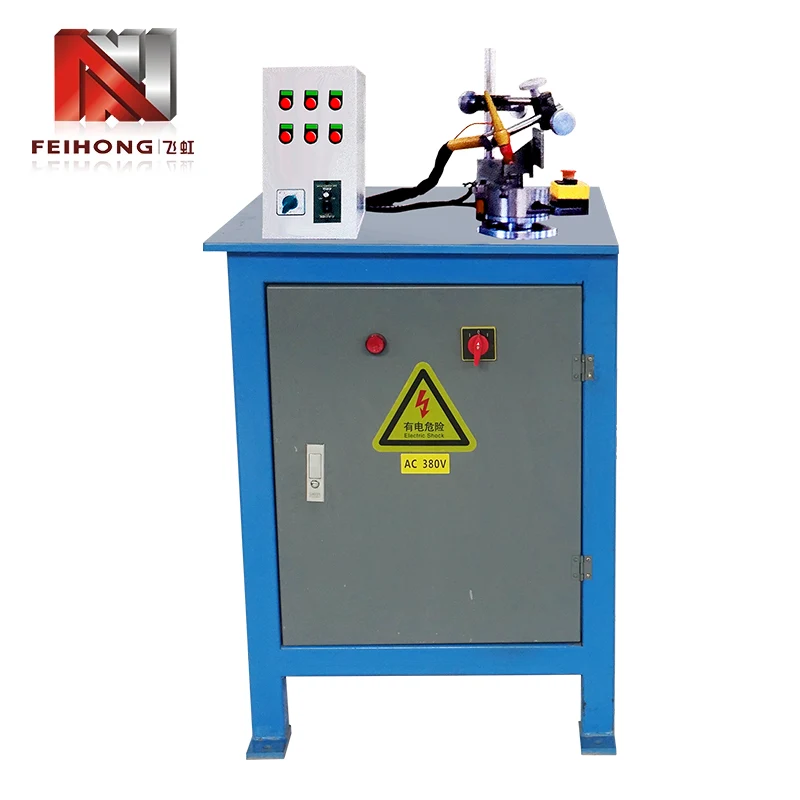
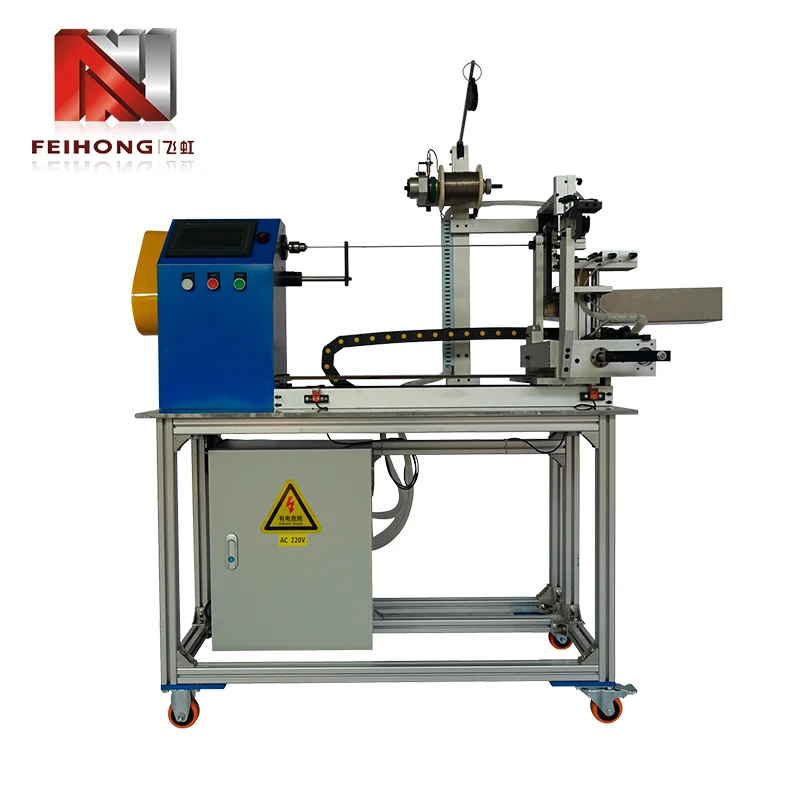
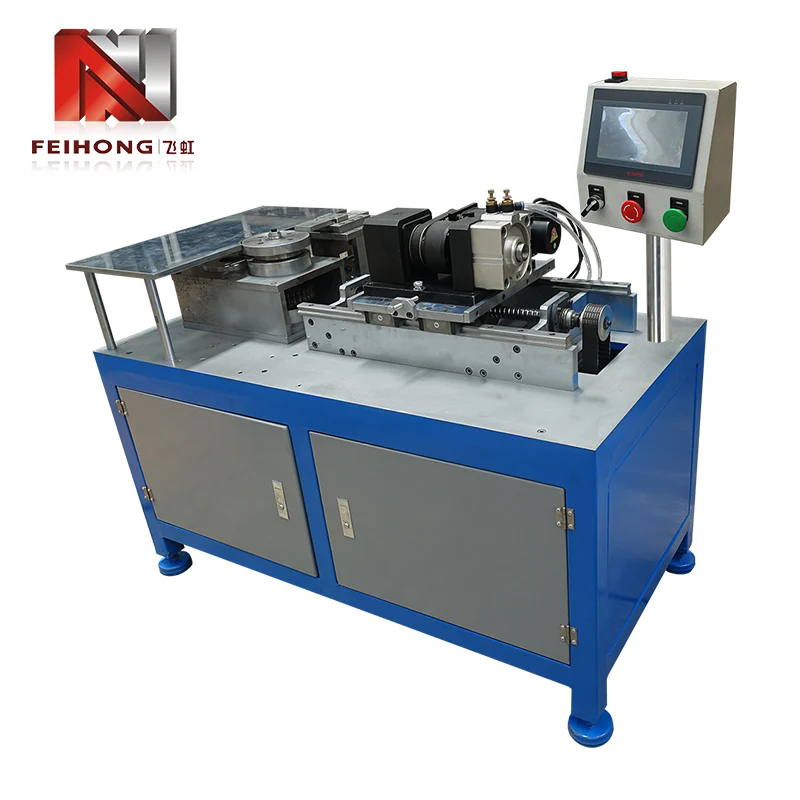
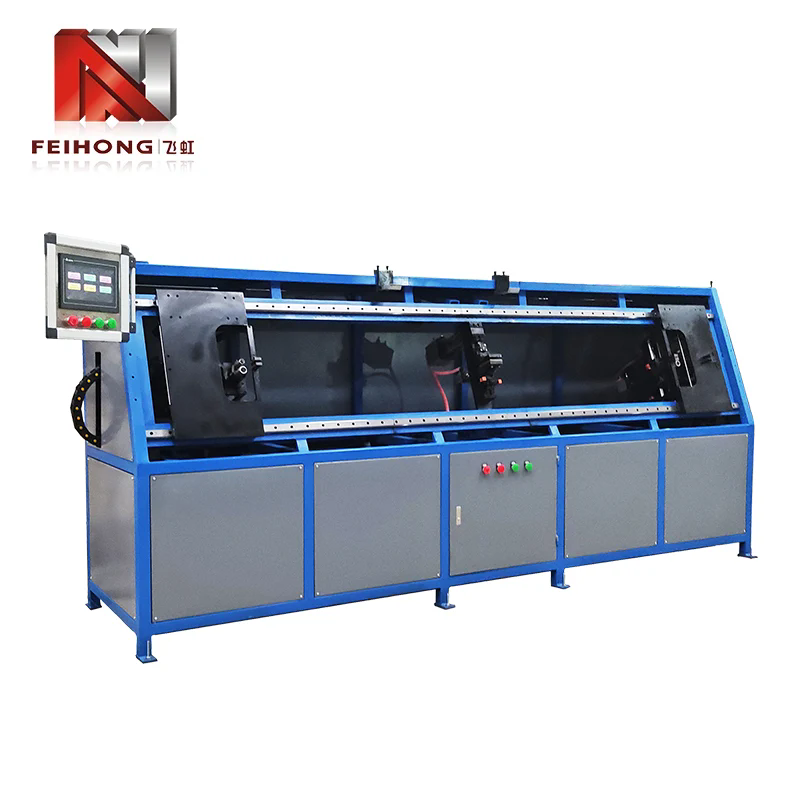
The Tube Shrinking Machine Assembly is designed for precision metal tube processing. It reduces the diameter of metal pipes including stainless steel, copper, and aluminum while ensuring a smooth, flat end suitable for pipe fittings or customized shapes. Whether used in mass production or small-scale operations, this machine provides a consistent, high-quality finish with minimal manual intervention.

  • Efficient diameter reduction of metal tubes
  • Uniform and smooth shrinkage for better fittings
  • Suitable for small and large-scale operations
  • Compatible with various pipe materials

Working Principle

The Tube Shrinking Machine Assembly operates on the mechanical principle of controlled compression. Using rollers or hydraulic pressure, the machine compresses the tube ends, reducing diameter without causing deformation or surface damage.

  1. Tube Feeding: Tubes are fed into the machine manually or automatically.
  2. Compression: Rollers or hydraulic units apply even pressure along the tube’s end.
  3. Shrinkage: Diameter decreases uniformly while maintaining tube integrity.
  4. Finishing: The shrunken end is flat, smooth, and ready for additional processing.

This process significantly improves production efficiency and ensures precise fitment for industrial applications.


Key Components

Component Description Function
Feed Rollers Adjustable rollers for tube entry Guide tubes into the machine for controlled shrinkage
Shrinking Rollers High-strength rollers or dies Apply pressure to reduce tube diameter evenly
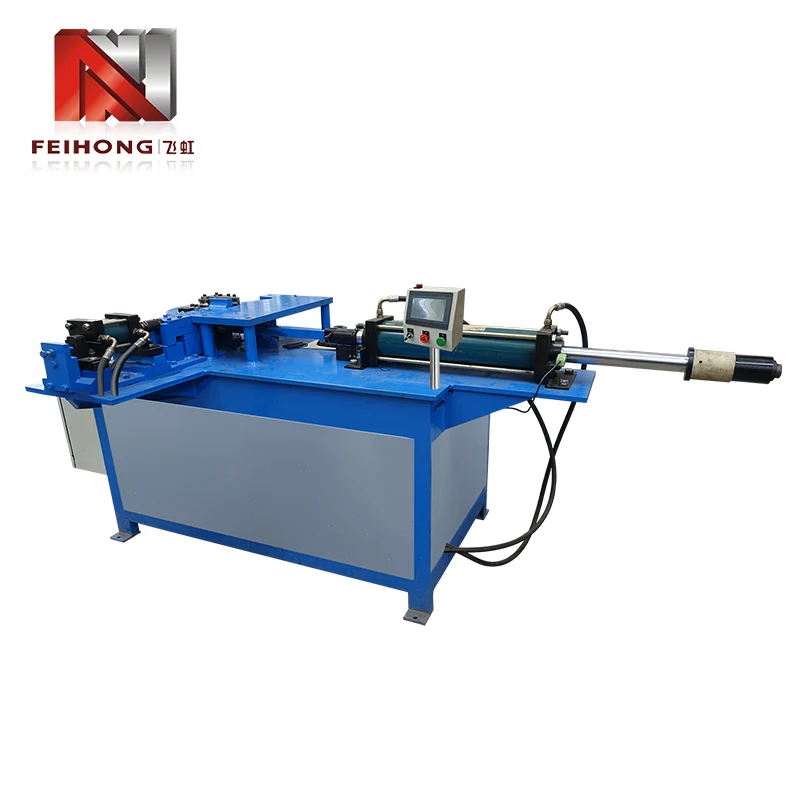
Hydraulic Unit Optional hydraulic system Provides consistent force for larger or thicker pipes
Control Panel Digital or manual interface Regulates speed, pressure, and feed rate for precision
Frame & Housing Heavy-duty steel structure Ensures stability and minimizes vibration during operation

Applications in Industry

Tube Shrinking Machine Assemblies are widely used across metal fabrication and manufacturing sectors. Typical applications include:

  • Automotive industry: Producing exhaust pipes and tubular components
  • HVAC systems: Shrinking ducts and fittings for installation
  • Furniture manufacturing: Custom metal tubes for frames
  • Electrical industry: Cable protection tubes and connectors
  • Metal processing workshops: Any pipe requiring precision shrinkage

Feihong® Tube Shrinking Machines provide flexibility for both specialized projects and high-volume production, ensuring reliability across multiple industries.


Step-by-Step Assembly Process

Proper assembly ensures the machine operates efficiently and prolongs service life. The recommended assembly process includes:

  1. Position the frame on a stable, leveled surface.
  2. Install feed rollers and secure alignment with the main shaft.
  3. Attach shrinking rollers or hydraulic dies according to the tube size specifications.
  4. Connect the hydraulic unit (if applicable) and test pressure levels.
  5. Install control panel and verify electrical connections.
  6. Perform initial trial runs to ensure uniform shrinkage and adjust roller spacing.
  7. Secure all bolts and fasteners, and perform routine lubrication of moving parts.

Following this assembly process minimizes operational errors and reduces maintenance frequency.


Maintenance Tips for Longevity

Maintaining a Tube Shrinking Machine Assembly is critical for consistent performance. Key maintenance tips include:

  • Lubricate moving parts weekly to reduce friction and wear.
  • Inspect rollers for surface damage and replace if worn.
  • Check hydraulic pressure levels and adjust according to manufacturer guidelines.
  • Ensure electrical connections are secure and free of dust or corrosion.
  • Perform periodic calibration to maintain precision in tube diameter reduction.
  • Store the machine in a dry, clean environment when not in use.

Frequently Asked Questions

What types of tubes can the machine process?
The machine supports stainless steel, copper, aluminum, and other common industrial metals, handling both thin and thick-walled tubes.
Can it be used for high-volume production?
Yes. Feihong® Tube Shrinking Machine Assemblies are designed for both small-scale workshops and large-scale manufacturing lines.
Is training required to operate the machine?
Minimal training is required. The machine is user-friendly, and most operators can quickly learn to adjust settings and perform shrinkage tasks efficiently.
How precise is the diameter reduction?
The shrinkage process maintains high precision, typically within ±0.1 mm, ensuring smooth, flat tube ends for seamless assembly or welding.

Conclusion & Contact

Investing in a Tube Shrinking Machine Assembly improves productivity, ensures precise tube processing, and reduces manual labor. Feihong® provides reliable, high-quality machines suitable for a wide range of industrial applications. For personalized solutions, pricing inquiries, or technical support, contact us today and experience enhanced tube processing efficiency.

Related News
Leave me a message
X
We use cookies to offer you a better browsing experience, analyze site traffic and personalize content. By using this site, you agree to our use of cookies. Privacy Policy
Reject Accept