Products
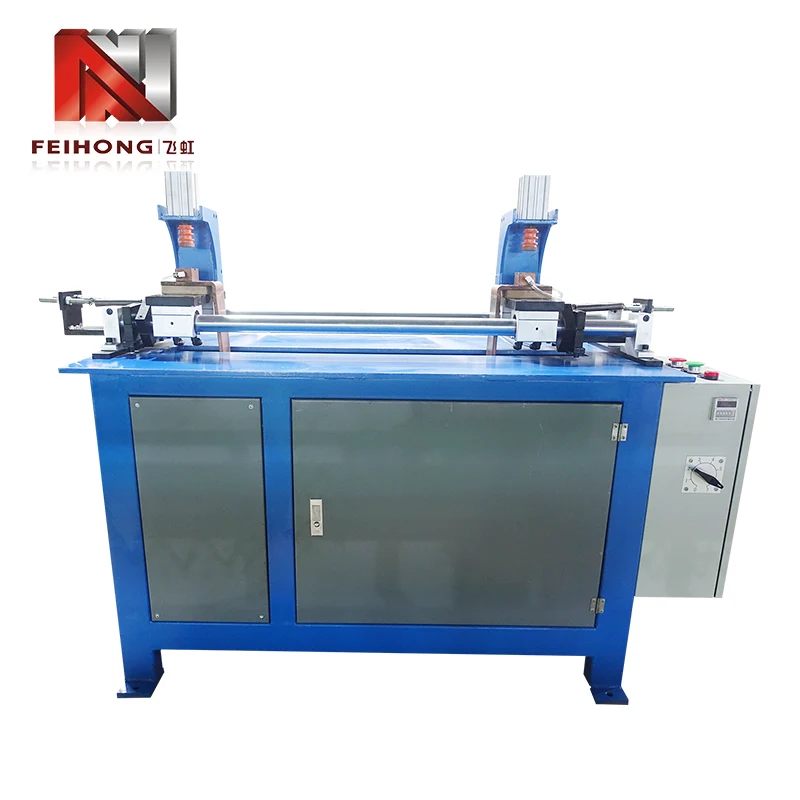
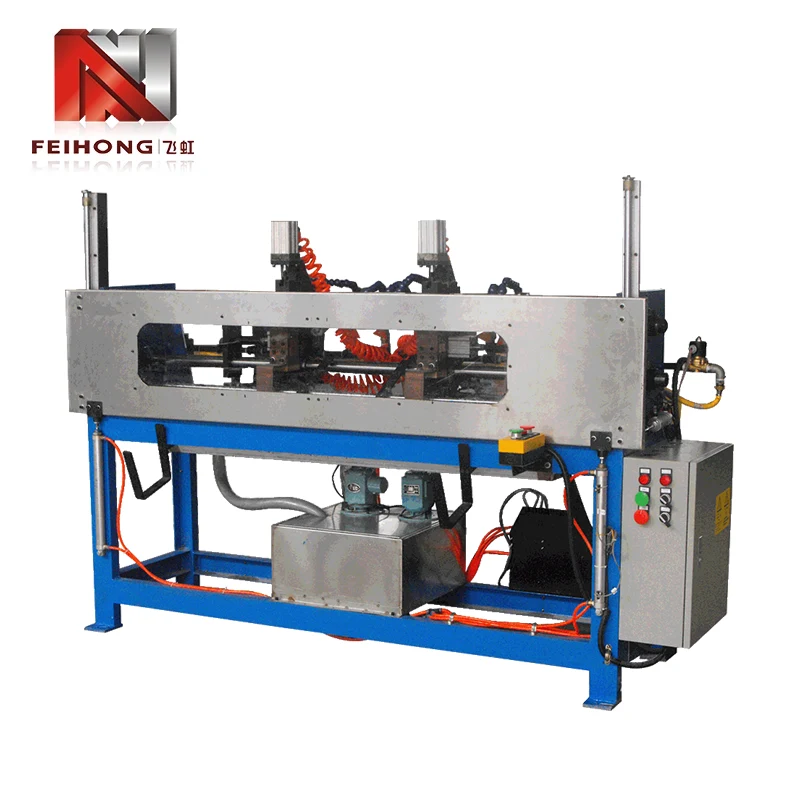
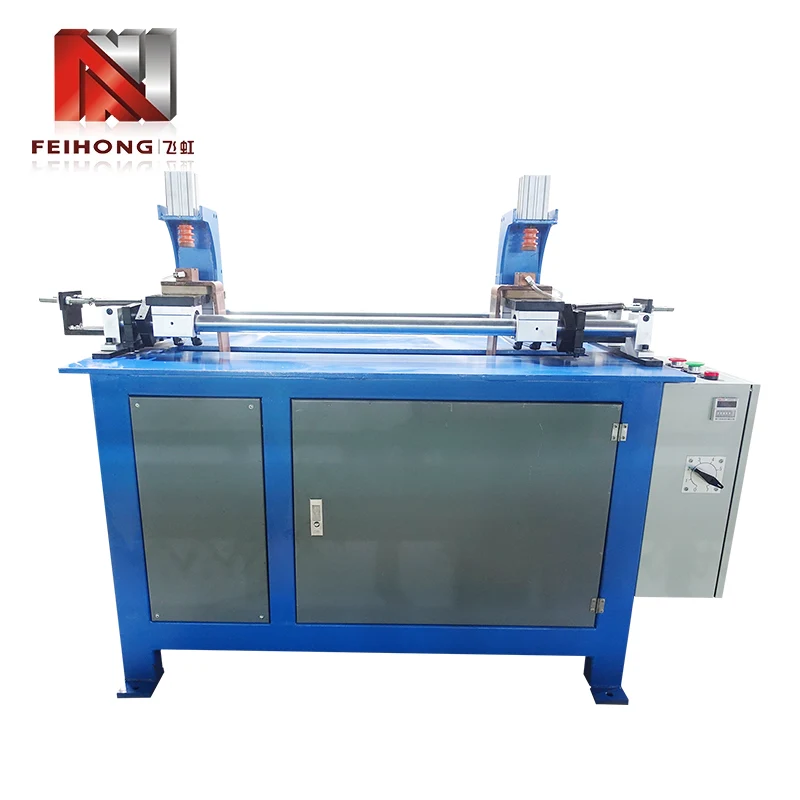
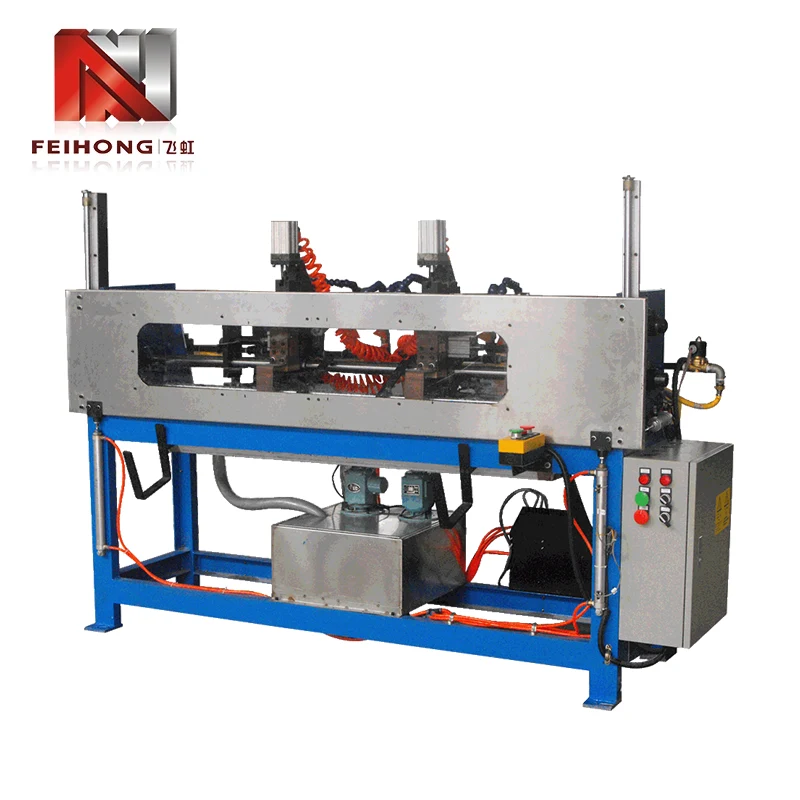
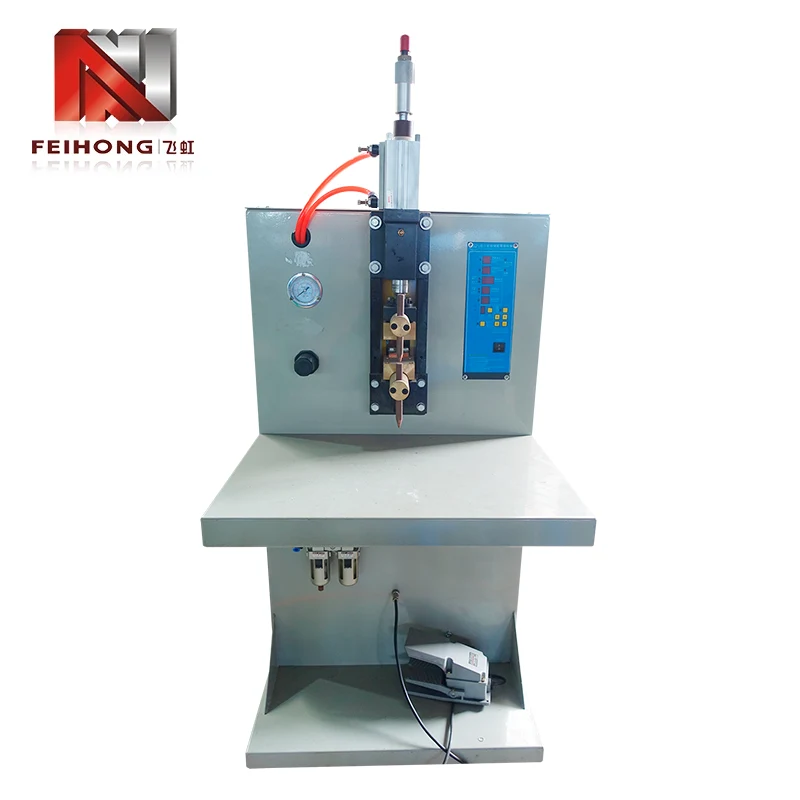
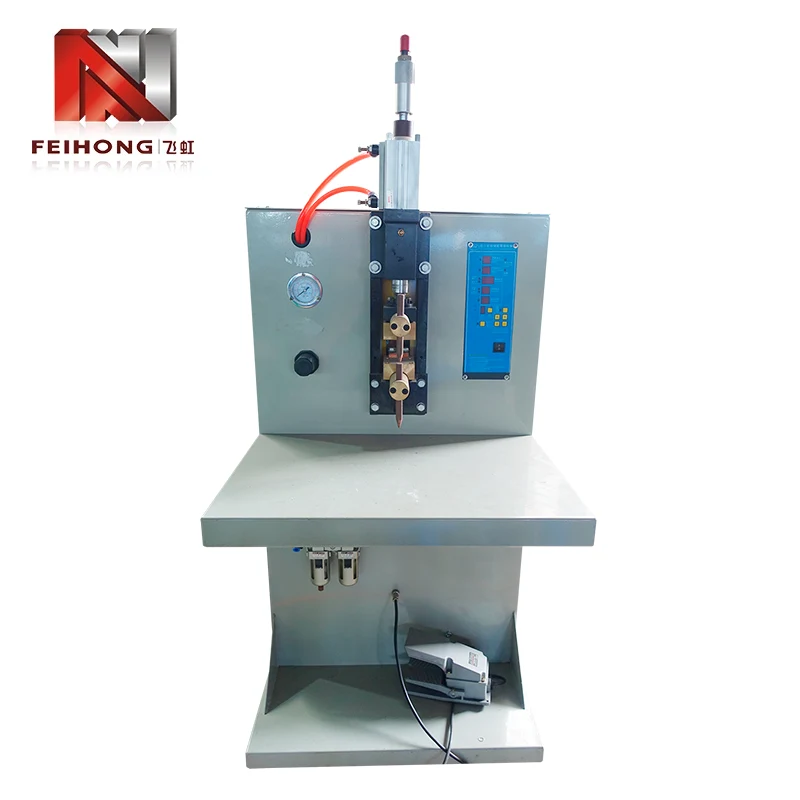
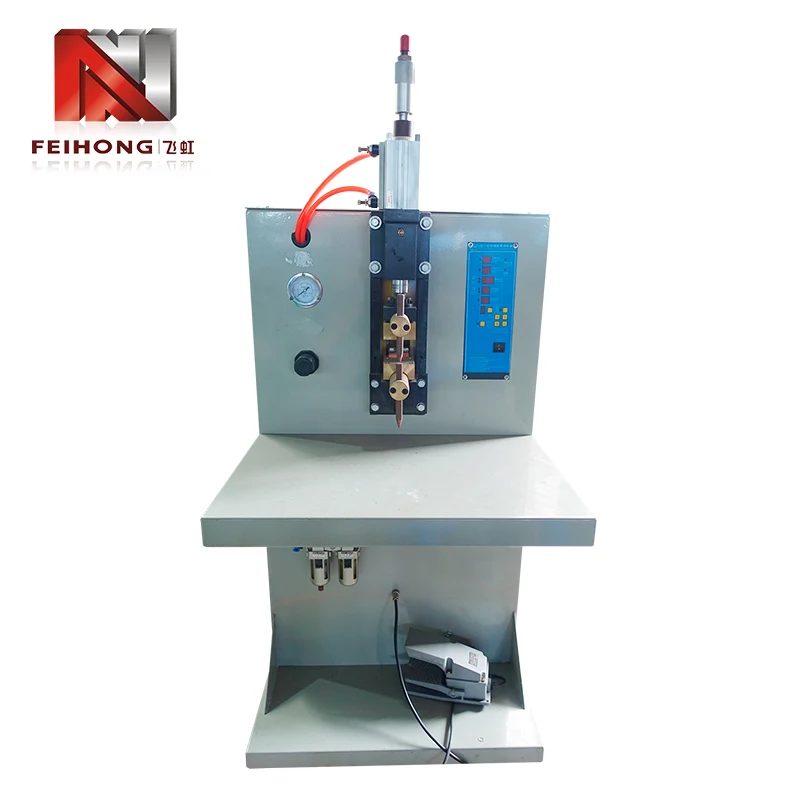
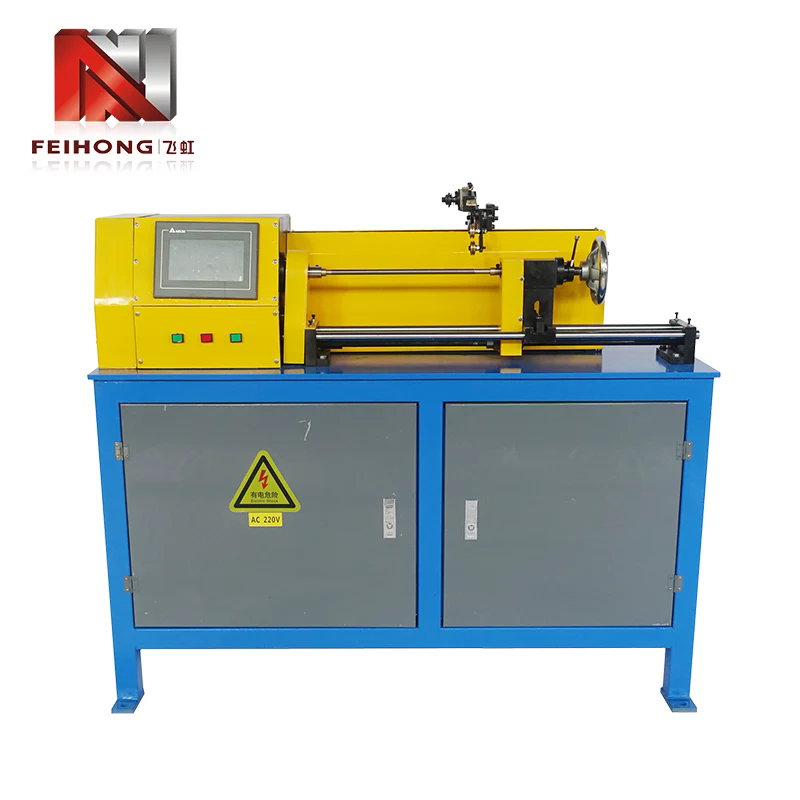
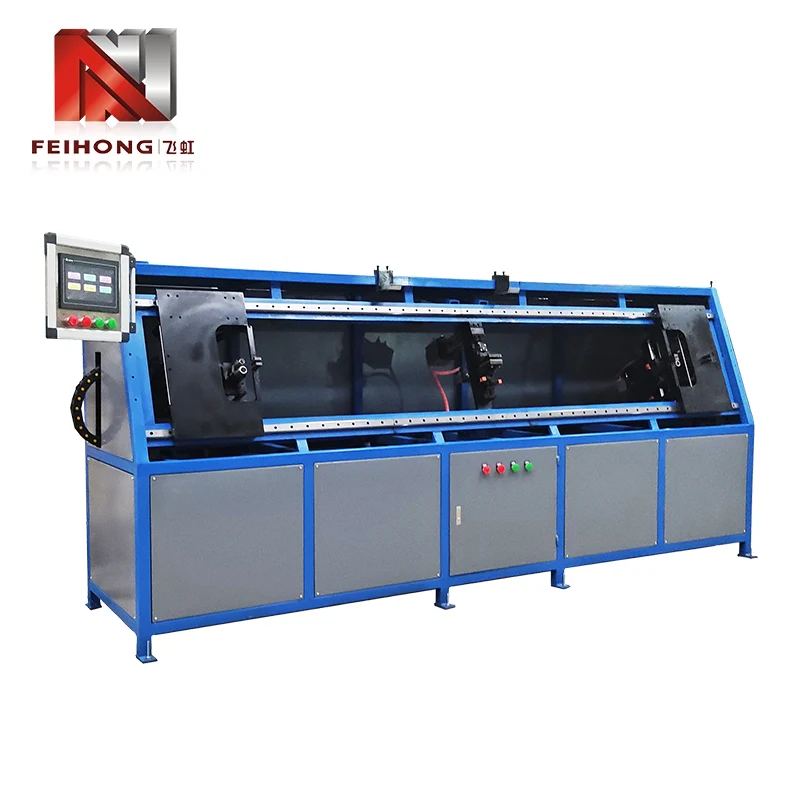
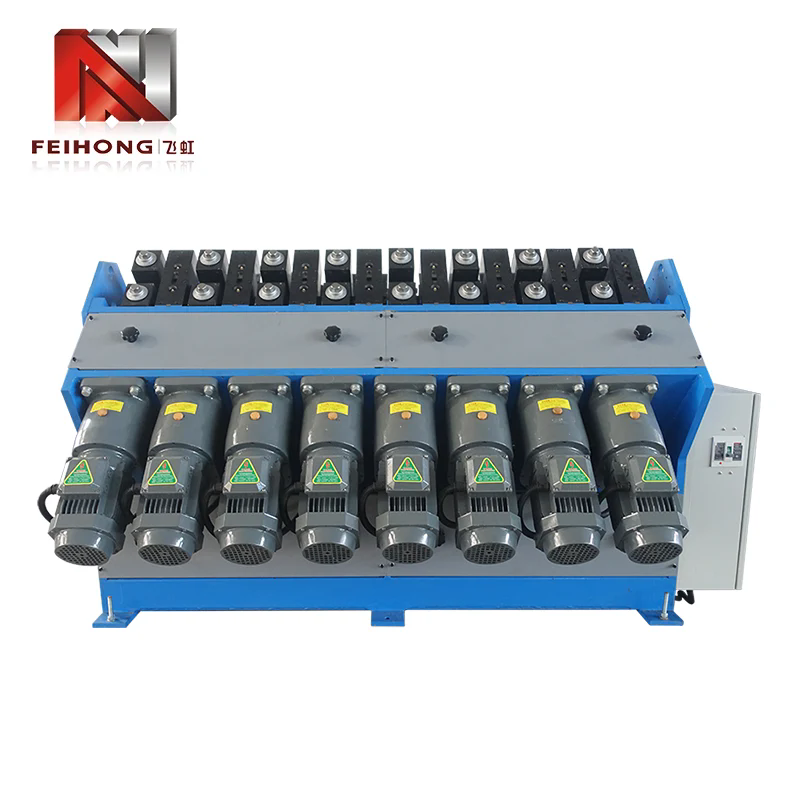
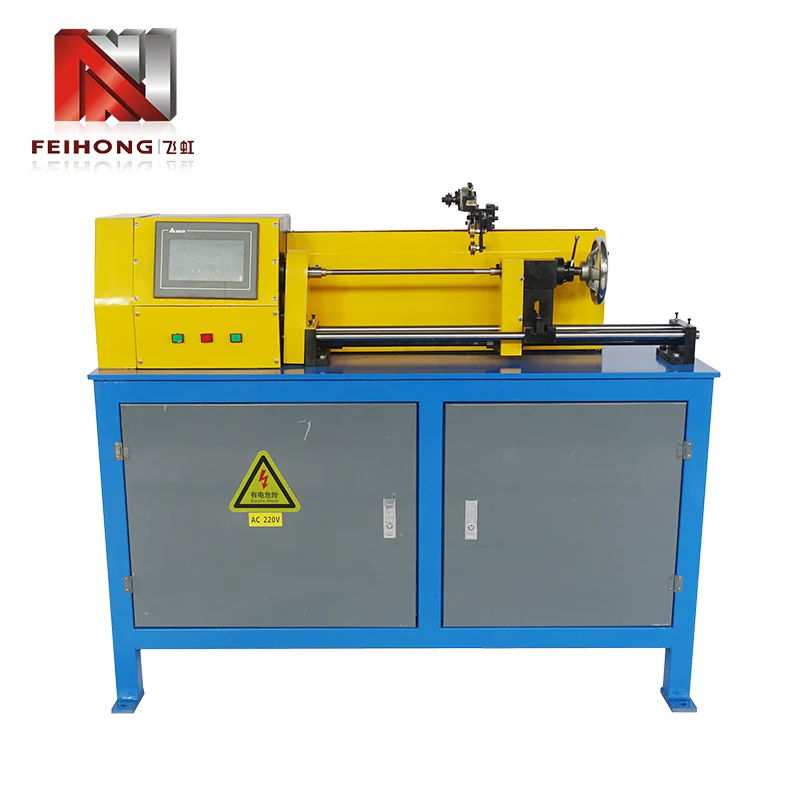
Capacitor Discharge Energy Storage Spot Welder

Capacitor Discharge Energy Storage Spot Welder

Model:FH-149A
Capacitor Discharge Energy Storage Spot Welder from Feihong® — a trusted China manufacturer with over 30 years of expertise in heating tube equipment. This model delivers 30,000 consistent welds per 8‑hour shift, leveraging rapid capacitor discharge for precise, low‑spatter joints. Heating pipe producers choose this machine for its energy efficiency and weld repeatability. When production quality and throughput are paramount, Feihong® provides the reliable welding solution your line demands.

Feihong's Capacitor Discharge Energy Storage Spot Welder is engineered specifically for electric heating tube manufacturing, where resistance wire must be securely joined to lead posts and terminal lugs. As a leading supplier of complete heating tube production lines, Feihong integrates this welding station with other core equipment. The machine operates on three‑phase 380V, three‑phase 220V, or single‑phase 220V, with a rated power of 2KVA and an adjustable capacitor voltage range of 0‑435V. Its capacitor discharge principle stores energy and releases it in a controlled pulse, producing strong metallurgical bonds with minimal heat‑affected zones. With a proven throughput of 30,000 pieces per shift, this welder ensures high‑volume output while maintaining consistent joint quality.

Core Welding Principle

The Capacitor Discharge Energy Storage Spot Welder operates on a proven principle that differentiates it from conventional AC or DC resistance welders. Instead of continuous current flow, it charges a capacitor bank to a preset voltage and then discharges the stored energy through the welding electrodes in milliseconds. This approach offers several distinct advantages.

  • 1. Instantaneous energy release: the capacitor bank delivers a high‑current pulse (up to thousands of amperes) in a fraction of a cycle, creating a concentrated heat at the contact point for rapid fusion.
  • 2. Independent control of energy and time: voltage settings (0‑435V) directly regulate the stored energy, while the discharge duration is fixed by the capacitor characteristics, eliminating complex timing adjustments.
  • 3. Reduced heat dissipation: because the pulse is extremely short, surrounding material remains cool, preventing oxidation or annealing of the resistance wire and lead posts.
  • 4. Consistent weld nugget formation: each discharge delivers identical energy, ensuring that every weld has the same penetration depth and strength, regardless of operator skill.

This principle makes the welder particularly suitable for heating pipe manufacturing, where weld consistency directly affects the electrical resistance and longevity of the final product.

Performance Comparison with Traditional Welders

When comparing the welder with conventional alternatives, several key performance metrics highlight its superiority. The following table contrasts this machine with typical AC and DC resistance welders used in similar applications.

Parameter Capacitor Discharge Welder (FH‑149A) AC Resistance Welder DC Inverter Welder
Energy control precision High (capacitor voltage ±1%) Moderate (phase angle control) High (current regulation)
Heat‑affected zone Very small (pulse <10ms) Large (several cycles) Medium (controlled ramp)
Spatter level Low (rapid solidification) High (prolonged heating) Moderate
Energy efficiency High (no continuous loss) Low (transformer losses) Medium
Consistency over 30,000 welds Excellent (capacitor aging negligible) Fair (electrode wear affects) Good
Maintenance complexity Low (no moving contacts) High (frequent tip dressing) Medium

This comparison demonstrates that the Capacitor Discharge Energy Storage Spot Welder offers a unique balance of precision, efficiency, and reliability, making it the preferred choice for heating pipe manufacturers who require consistent joint quality over long production runs.

Application Scenarios

The welder is widely applied in electric heating tube production, but its versatility extends to other metal joining tasks. Feihong® has engineered this machine to adapt to various workpieces while maintaining its core advantages.

  • 1. Resistance wire to lead bar: the primary application, ensuring low‑resistance connections for heating elements used in water heaters, ovens, and industrial furnaces.
  • 2. Lead post to terminal lug: essential for assembling terminal blocks where mechanical strength and electrical conductivity are critical.
  • 3. Thin‑gauge sheet metal welding: suitable for brackets, shields, and sensor mounts up to 1.5mm thickness, using reduced voltage settings.
  • 4. Small component tack welding: can be used for temporary fixturing or pre‑assembly in automotive and appliance manufacturing.

These scenarios benefit from the welder’s ability to deliver a precise, repeatable pulse that minimizes thermal distortion, a common issue with continuous‑current welding methods.

Quality Assurance and Factory Testing

Feihong® has been manufacturing heating tube equipment since 1992, operating six dedicated workshops for machining, electrical assembly, testing, and logistics. Every welder undergoes rigorous quality checks to ensure it meets the demands of continuous production.

  • 1. Component traceability: all capacitors, pneumatic valves, and transformers are sourced from certified suppliers and inspected upon arrival.
  • 2. Assembly process control: each machine is built by experienced technicians following standardized work instructions, with intermediate inspections at each stage.
  • 3. 24‑hour burn‑in test: before shipment, every unit runs a continuous welding cycle with simulated production loads to verify stability and weld consistency.
  • 4. Calibration certificate: each machine comes with a test report showing actual capacitor voltage accuracy, electrode force, and cycle time.

This comprehensive quality assurance system ensures that every welder leaving the Feihong® factory performs reliably from day one, with minimal commissioning effort required.

Customization and After‑Sales Support

Feihong® understands that each production line has unique requirements. For the Capacitor Discharge Energy Storage Spot Welder, we offer several customization options and a robust after‑sales package to keep your operations running smoothly.

  • 1. Electrode design: we can manufacture custom electrode shapes and materials based on your workpiece geometry and weld specifications.
  • 2. Voltage range adjustment: upon request, the capacitor bank can be tuned for specific voltage requirements outside the standard 0‑435V range.
  • 3. Installation and training: we provide on‑site supervision and operator training, along with detailed video guides and manuals.
  • 4. Spare parts availability: we maintain a local inventory of electrodes, seals, capacitors, and control boards to minimize downtime.
  • 5. Warranty: 12‑month coverage on all electrical and mechanical components (excluding consumables).

With Feihong®’s decades of experience and commitment to customer support, you can rely on us as a long‑term partner for your welding needs.

Frequently Asked Questions

Q: What is the maximum thickness of material that can be welded?
A: The machine is primarily designed for welding resistance wire (up to 2.5mm diameter) and thin sheet metal up to 1.5mm. For thicker materials, we recommend consulting our engineering team to assess feasibility with modified electrode force and voltage settings.

Q: Can the welder be used for non‑heating‑pipe applications?
A: Yes, the capacitor discharge principle works well for any small‑part resistance welding where controlled heat input is required. Many customers use it for battery tab welding, sensor attachment, and electronic component assembly.

Q: How long does it take to recharge the capacitor between welds?
A: The charging cycle is typically 0.8‑1.2 seconds, enabling the rated output of 30,000 welds per 8‑hour shift. The actual recharge time depends on the set voltage and input power quality.

Q: Does Feihong® provide spare capacitors and how much do they cost?
A: Yes, we stock replacement capacitor banks. Prices vary depending on the capacity and voltage rating. Please contact our sales team for a current quotation based on your machine serial number.

Q: What maintenance is required on a daily basis?
A: Daily maintenance includes cleaning electrodes, checking pneumatic air pressure, and visually inspecting cables and connections. Weekly maintenance involves lubricating moving parts and checking capacitor terminals for tightness. A detailed maintenance schedule is included in the user manual.

Capacitor Discharge Energy Storage Spot Welder
Hot Tags: Capacitor Discharge Energy Storage Spot Welder
Send Inquiry
Contact Info
If you have any enquiry about quotation or cooperation, please feel free to email us at judyzhufeihong@gmail.com or use the following inquiry form. Our sales representative will contact you within 24 hours. Thank you for your interest in our products.
X
We use cookies to offer you a better browsing experience, analyze site traffic and personalize content. By using this site, you agree to our use of cookies.Privacy Policy
RejectAccept