News

Industry News

How Does a Pipe Shrinker Machine Improve Pipe End Forming Efficiency?11 2026-03

How Does a Pipe Shrinker Machine Improve Pipe End Forming Efficiency?

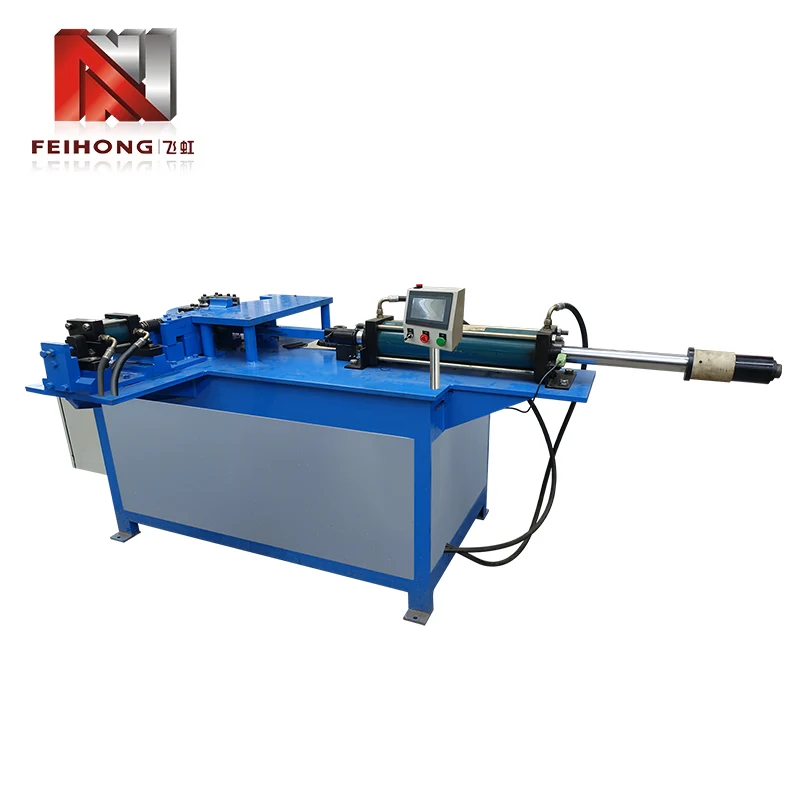
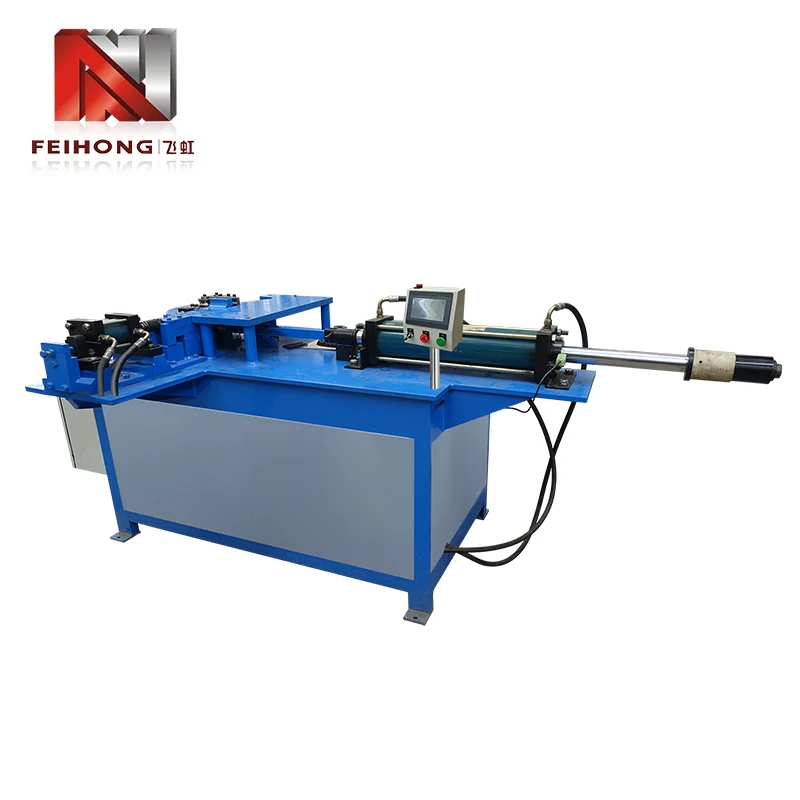
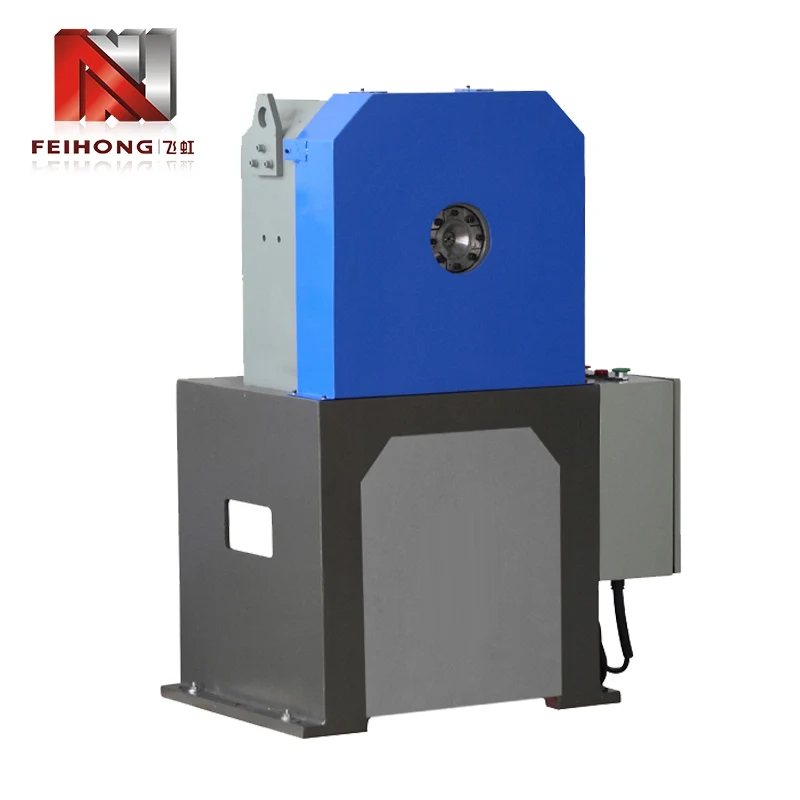
Pipe end forming is a critical step in many manufacturing processes involving tubing and metal pipes. A pipe shrinker machine is specifically designed to reduce the outer diameter of pipe ends, allowing seamless connections, improved assembly efficiency, and stronger mechanical joints. This article explains how a pipe shrinker machine works, what problems it solves in industrial production, its main components, and how to choose the right equipment for manufacturing needs. It also explores common applications and practical considerations for businesses looking to improve pipe processing efficiency.
How Does a Pipe Filling Machine Improve Production Efficiency and Accuracy?09 2026-03

How Does a Pipe Filling Machine Improve Production Efficiency and Accuracy?

A pipe filling machine is widely used in industries such as cosmetics, pharmaceuticals, chemicals, and food processing to accurately fill creams, gels, pastes, and viscous liquids into tubes or pipes. Many manufacturers struggle with inconsistent filling volumes, product waste, slow production speed, and hygiene concerns when using manual or outdated equipment. This article explains how a pipe filling machine works, the key features that improve production efficiency, important technical parameters to consider, and how to select the right system for your factory. By understanding these aspects, manufacturers can improve product quality, reduce operational costs, and maintain consistent packaging standards.
How Does a Pipe Polisher Machine Improve Surface Finishing Efficiency?02 2026-03

How Does a Pipe Polisher Machine Improve Surface Finishing Efficiency?

A pipe polisher machine is an essential piece of equipment for achieving smooth, uniform, and high-quality finishes on metal pipes and tubes. This comprehensive guide explains how pipe polisher machines work, what problems they solve, and how to select the right machine for different industrial applications. By understanding machine structure, polishing principles, and operational considerations, manufacturers can improve surface quality, reduce labor costs, and maintain consistent production standards.
How Does a Wire Winding Machine Improve Manufacturing Efficiency?28 2026-02

How Does a Wire Winding Machine Improve Manufacturing Efficiency?

Wire winding machines play an essential role in many manufacturing processes, particularly in the production of transformers, motors, and electrical coils. These machines are designed to automate the winding of wire onto spools, improving both the speed and precision of the manufacturing process. In this article, we explore how wire winding machines work, their benefits, common issues customers face, and how selecting the right machine can optimize production. We also highlight how Feihong’s wire winding machines are helping businesses achieve consistent, high-quality results.
How Does Roller Hammer Shrinking Improve Fabric Stability?26 2026-02

How Does Roller Hammer Shrinking Improve Fabric Stability?

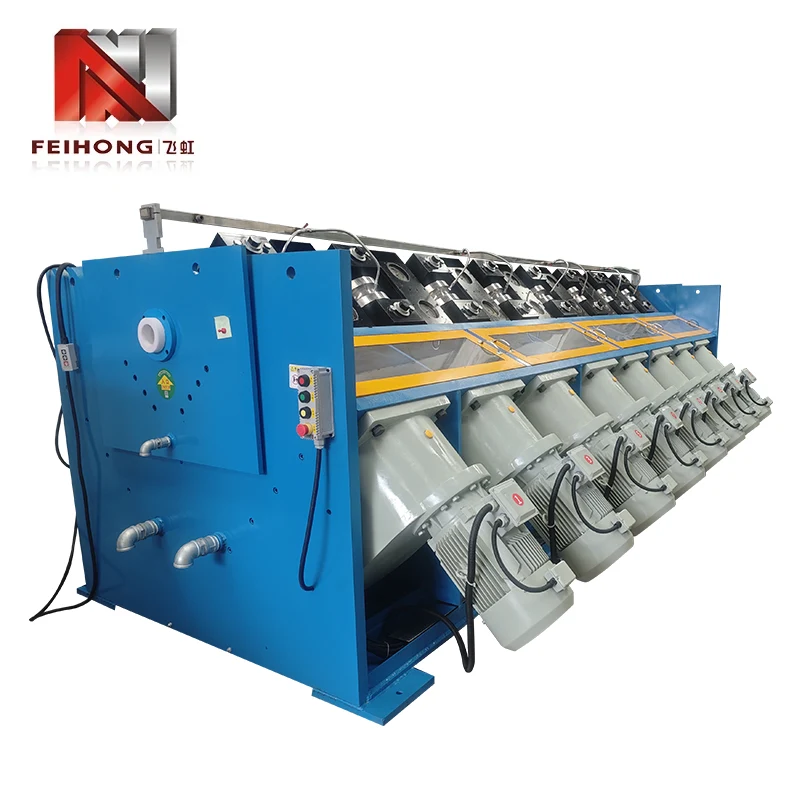
Roller hammer shrinking is a specialized mechanical finishing process widely used in textile manufacturing to improve fabric dimensional stability, surface texture, and overall quality. By applying controlled mechanical impact and pressure through rotating rollers and hammer systems, fabrics achieve reduced residual stress, improved density, and enhanced hand feel. This comprehensive guide explains how roller hammer shrinking works, what problems it solves, how to select the right equipment, and why manufacturers rely on this process for consistent and high-value textile output. The article also highlights how Feihong supports industrial-scale roller hammer shrinking solutions.
How Does a Drain Machine Improve Efficiency in Pipe Processing?09 2026-02

How Does a Drain Machine Improve Efficiency in Pipe Processing?

The Drain Machine is a specialized industrial tool designed for efficient pipe processing. This article explores its key features, applications, operational advantages, and common questions to help manufacturers select the right solution for high-volume production.
X
We use cookies to offer you a better browsing experience, analyze site traffic and personalize content. By using this site, you agree to our use of cookies. Privacy Policy
Reject Accept